
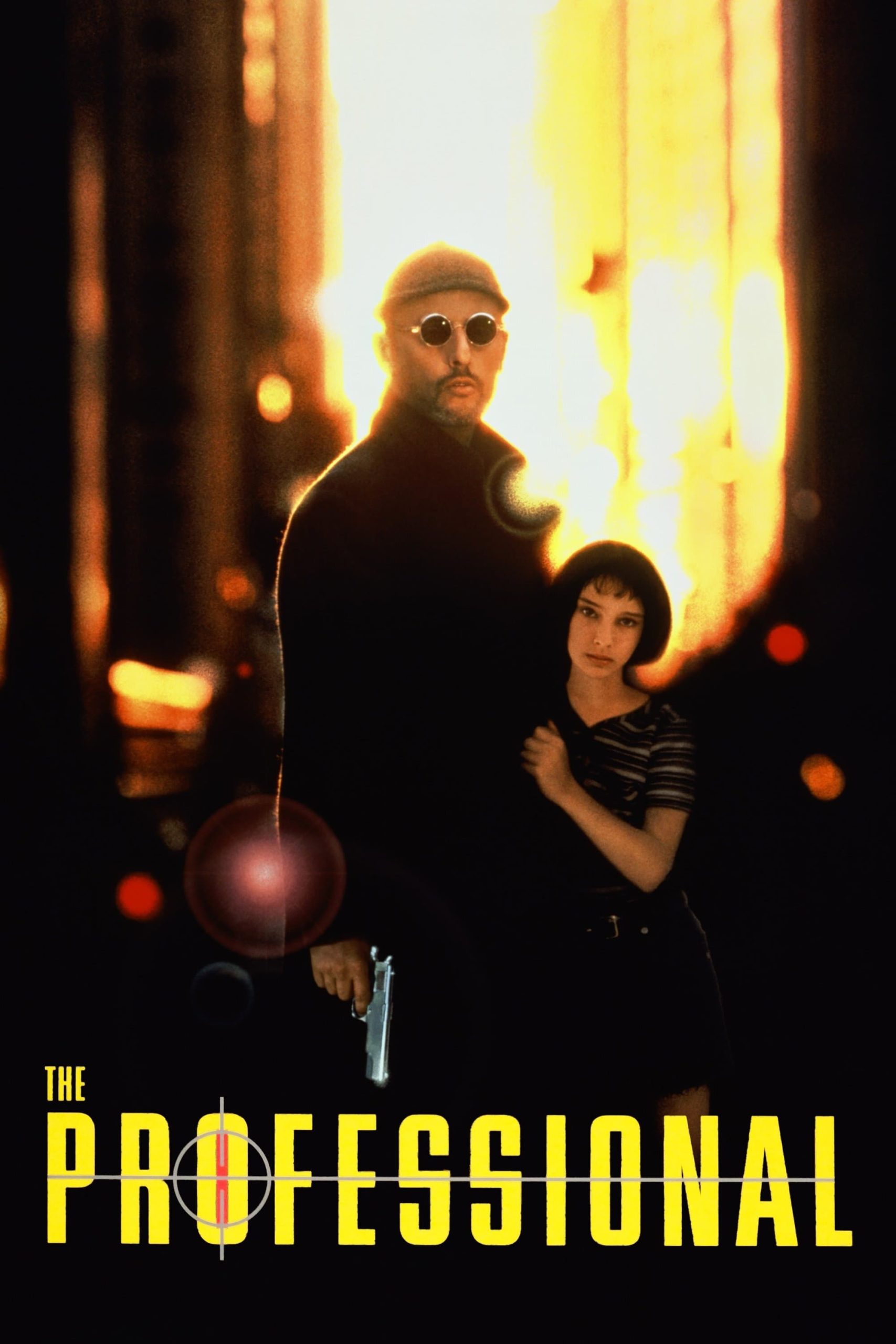
My First Collision with Léon’s World
The first time I watched Léon: The Professional, I remember feeling as if I’d stumbled into a hidden room in cinema—a place both intimate and dangerous, tender and merciless. I was immediately pulled by an atmosphere thick with the scent of loneliness and city sweat. The film’s way of pairing innocence with ruthlessness compelled me to pay closer attention, forcing me to confront not just what I was seeing, but what I was feeling and questioning. This story isn’t merely about an assassin and a little girl—it’s about the corrosive, redemptive power of connection in a world that prefers detachment.
The Paradox of Innocence and Violence
What struck me most deeply is how the film rubs innocence right up against brutality without letting either cancel the other out. Mathilda and Léon are both children in their own ways—one by age, the other by emotional stasis. The juxtaposition of Mathilda’s coming-of-age against Léon’s arrested development forms the movie’s emotional core. Watching Léon tenderly care for a houseplant, almost as if it’s his surrogate child, reinforced for me that the real violence in his life isn’t in the bullets he fires—it’s in the blank spaces where love has failed to grow. Every act of violence in the film feels like a failure of intimacy, a symptom of loneliness rather than mere criminality.
The Unspoken Language Between Léon and Mathilda
It’s almost impossible to talk about this film without addressing the strange, powerful chemistry between its leads. The camera lingers on glances, silences, and gestures—moments that say more than any dialogue. What I found most haunting is how their relationship dances on a razor’s edge: Léon becomes a surrogate father, protector, and reluctant mentor, yet Mathilda’s intensity hints at desires for love that she can’t yet define or understand. My reading is that the film asks us to feel discomfort, to grapple with the messiness of human need. Rather than prescribe judgment, it holds up a mirror to our longing for connection, no matter how broken the vessel.
Urban Isolation and the Fantasy of Rescue
Set against the grimy beauty of New York, Léon’s apartment feels like an island adrift from the world—a sanctuary for the lost. The city outside is largely indifferent, sometimes outright hostile. Every shot of Mathilda dragging her groceries up flights of stairs, or Léon’s silent nightly rituals, underscores how deeply both characters are exiled from the warmth of everyday life. The promise of rescue—however fleeting or incomplete—forms the emotional propulsion. I felt myself rooting for them not to defeat some villain, but to simply find a sliver of solace in each other’s company. The film suggests that the possibility of rescue may exist less in grand gestures than in shared silences and small acts of trust.
Stansfield: The Monster in Plain Sight
Gary Oldman’s Stansfield enters the film like a fever dream—part bureaucrat, part predator, all chaos. What moved me was not just his violence but his unpredictability, his aesthetic of total self-indulgence. Stansfield’s exaggerated evil exposes the hypocrisy and apathy of the adult world that fails Mathilda, highlighting the arbitrary nature of power and morality in this universe. He is the grotesque opposite of Léon: a man who has agency but distorts it into madness, compared to Léon’s restrained lethality. For me, Stansfield amplifies the film’s anxiety about adulthood—the suspicion that growing up might mean becoming monstrous, unless we fight for some fragment of empathy.
The Houseplant as a Fragile Metaphor
I’ll never forget Léon’s plant, its leaves trembling in the window light. At first glance, it seems like a sentimental touch, yet on reflection it becomes the film’s central metaphor. The houseplant is alive but rootless, nurtured but never truly planted—mirroring Léon’s own stunted emotional life. When Mathilda insists on giving it a proper home in soil, I see more than just a gesture of closure; it’s a radical reimagining of what it means to belong. The act of planting something, of caring enough to let it grow elsewhere, becomes an act of hope in a film otherwise defined by survivalism.
The Price of Love in a Broken World
There’s an undercurrent of tragedy running through every act of tenderness in this film. I’m left unable to ignore that every bond forged between Léon and Mathilda is made possible only because the world around them has failed so completely. Their love—whatever form it takes—is both salvation and curse, demanding sacrifice at every turn. The movie never sugarcoats the consequences; it confronts us with the fact that intimacy itself is risky, often destructive, but also the only real antidote to a life spent in hiding. I walked away wrestling with the question: is it better to risk your heart, even if it means pain, or to remain untouched and empty?
Why Léon Refuses Easy Answers
The more I return to this film, the more I appreciate its refusal to provide comfort. There is no clean redemption, no moral certainty, and no unambiguous heroism. Instead, what lingers is the sense that meaning is carved out moment by moment, within the mess of competing desires. The film’s visual style—its stark lighting, steady close-ups, and sudden bursts of violence—keeps the audience off-balance, never allowing us to settle into complacency. I see this as a deliberate choice, a way for the director to insist that we feel the rawness and complexity of being alive. The film is both a celebration and a warning: connection can save us, but it may also demand more than we can bear.
Finding Emotional Echoes: Two Classic Companions
If Léon’s world leaves you lingering with questions about innocence, violence, and the search for belonging, two classic films come to mind that share an irreducible mix of beauty and darkness. For me, “Taxi Driver” offers a similarly bruising portrait of urban alienation and the longing for purity in a corrupt world, while “Midnight Cowboy” explores the strange tenderness between lost souls finding fleeting shelter in each other. Each film, in its own way, dares to look at the hardness of life without surrendering to cynicism. Watching them alongside Léon only deepens the sense that some stories are meant to unsettle us—because in that discomfort, real truth can be found.
If you’re curious about how this film was originally perceived or how it compares to similar works of its era, these resources may be helpful.
🎬 Check out today's best-selling movies on Amazon!
View Deals on Amazon