
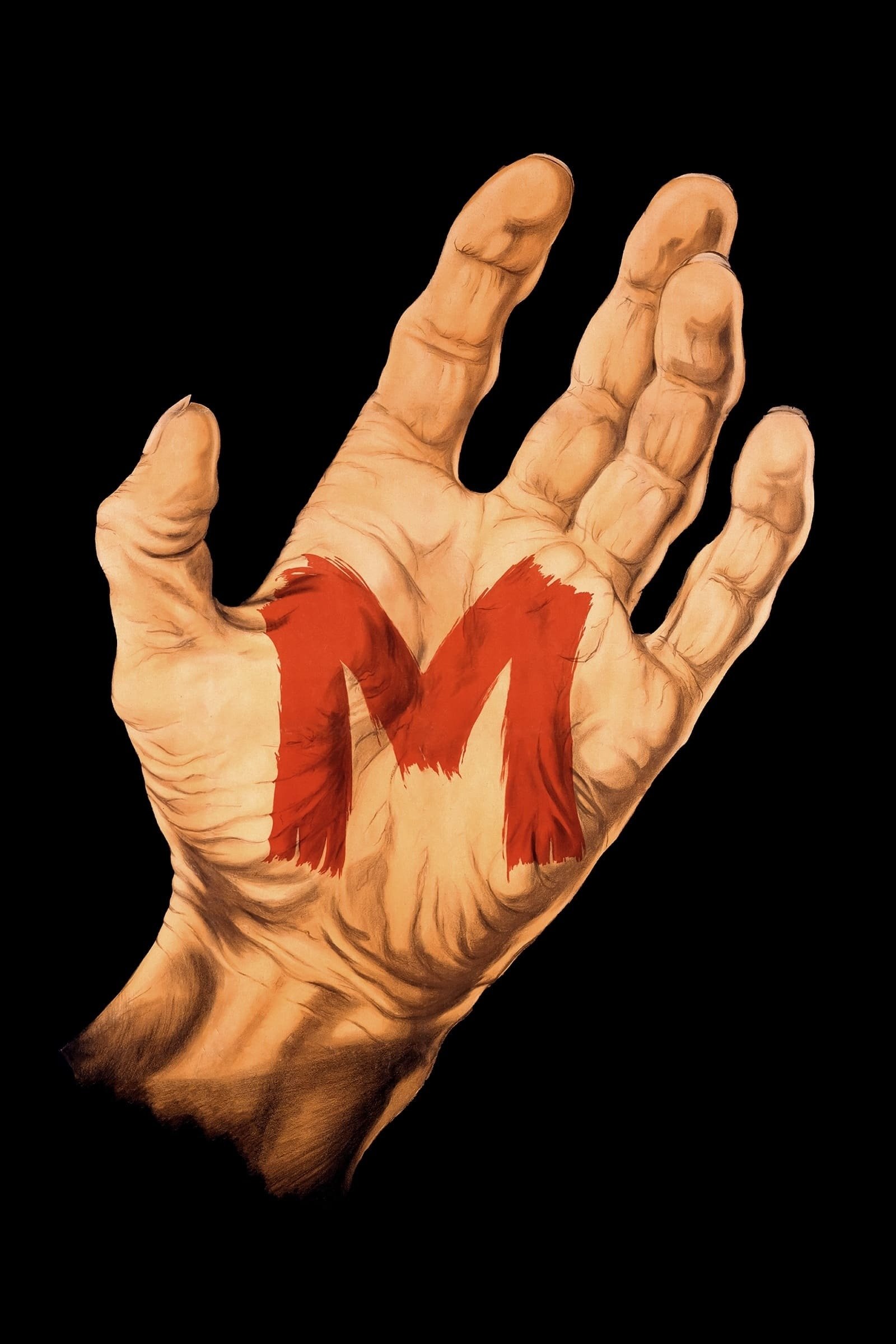
Shadows on the Wall: My Uneasy Entry into Lang’s City
The first time I watched “M,” I felt as though Fritz Lang had thrown me into a maze built from darkness and anxiety—one where every echo off the Berlin alleyways seemed to carry an accusation. This isn’t just a crime thriller, nor is it a simple portrait of evil; it’s a disquieting meditation on society’s impulse to externalize its fears and, in doing so, reveal its own cracked moral foundations. From the opening moments—children’s voices enacting a nursery rhyme about a murderer—I was unsettled by the sense that innocence and menace here are inextricably bound.
Nightmares Shared: The City’s Collective Paranoia
What struck me most wasn’t the figure of Hans Beckert, the murderer played with twitchy fragility by Peter Lorre, but the city that seemed to breathe and sweat fear. The true subject of “M” isn’t the murderer, but the sickness that seeps through the city as terror infects every household, every corridor, every communal gaze. This Berlin is a hive of suspicion—neighbors spying on neighbors, children forbidden to play, mothers peering anxiously from windows. I saw in these scenes a city on the edge, but not merely due to crime; it’s the fear that they are powerless, the suspicion that evil is not an outlier but something that lives next door, or perhaps inside themselves.
Justice on Trial: The Mob and Its Mirror
I was riveted by the way Lang orchestrates the frenetic manhunt, not just by the police but by the criminal underworld. The film blurs the usual lines: the criminals, desperate to end the police crackdown disrupting their business, organize to catch the killer, and Lang crafts these scenes to make us question who is actually the greatest threat to order. The mob, with its angry calls for vengeance, feels more dangerous than Beckert. Their pursuit is ruthless, systematic—and chillingly familiar. Watching these sequences, I’m reminded of the ease with which any crowd, convinced of its righteousness, can devolve into collective cruelty. Lang seems to ask whether our longing for justice is, at its core, a longing for a scapegoat—an opportunity to expel our own darkness by pinning it to someone else.
Shifting Focus: Beckert’s Monologue and Moral Upheaval
Peter Lorre’s haunted, desperate monologue in the kangaroo court is the scene that has haunted me for years. Beckert’s plea is not for forgiveness but for understanding—he says he cannot help himself, that he is “pursued by something inside.” The camera closes in on his sweating face, his wild eyes, and we are forced to confront the uncomfortable thought: evil doesn’t always wear a monstrous mask. It can seem helpless, pitiable, almost childlike. For me, this moment marks a seismic shift in the film’s moral landscape. Lang refuses to let us rest easy with simple answers; he insists we recognize the humanity in the inhuman, the sickness lurking beneath the label of ‘monster.’ I found myself recoiling at my own sympathy, disturbed by the film’s refusal to let me hate comfortably.
Language of Surveillance: Sound as the City’s Pulse
It’s impossible for me to talk about “M” without mentioning its groundbreaking use of sound. The whistled tune of “In the Hall of the Mountain King” stalks the film as a motif for both predation and the inescapability of evil. Silence is weaponized; the absence of dialogue in some scenes, punctuated by the sudden slam of a door or a shout across a courtyard, amplifies the dread. For me, the film’s audio landscape becomes a metaphor for society’s omnipresent, inescapable gaze: everyone is listening, watching, waiting for someone else to screw up or be caught. Sound becomes surveillance—a sonic architecture of suspicion that hems in every character, convicting them in advance.
Children as Victims, Children as Warnings
I was deeply unsettled by how “M” places children at the center, not just as victims of Beckert, but as the emotional epicenter of societal hysteria. Lang doesn’t allow us to look away from the horror, but neither does he let us indulge in easy catharsis; the children’s games, their songs, and their absence after the murders becomes a chilling absence at the heart of the film. I see the children as both the reason for and the result of the city’s nervous breakdown—an emblem of lost innocence but also a justification for every excess of fear, every snap judgment, every act of mob justice. In this way, the children become both the literal and symbolic currency in the city’s frantic attempts at self-purification.
Guilt Is a Plague: The City’s Self-Condemnation
While “M” presents its narrative as a hunt for a singular criminal, I found myself increasingly aware of how collective guilt pervades the story. The police, desperate to calm public outrage, resort to blanket searches, raids, and mass suspicion. The criminals, seeking to restore their own order, conduct their own trial, mirroring the authorities they claim to despise. Lang builds a city that, in pursuing one man, exposes its own moral rot; every institution—legal, criminal, familial—is compromised. I came away believing that “M” is as much about the guilt that festers when society fails to protect its most vulnerable as it is about the monstrousness of a single predator. The real horror is not just what Beckert does, but what the city becomes in trying to destroy him.
Unanswered Questions, Unquiet Streets
The end of “M” leaves me, even now, with a knot in my stomach. The film refuses to provide easy closure—there is no sense that justice (formal or informal) can restore what has been lost. The grieving mothers, the tense officials, the broken city: all are left in a liminal state. For me, the lesson is chillingly modern: that beneath our calls for order and security, there remains an unhealed wound, a question about what we sacrifice when we give in to fear and suspicion. “M” endures because it’s not merely a portrait of one man’s evil, but a warning about the ways a whole community can become complicit in its own undoing.
Two Echoes in the Hall of Shadows
If the atmosphere and ethical ambiguity of “M” linger with you as they do with me, I can’t help but recommend two films that probe similar darkness with their own voices: “The Third Man” and “Night of the Hunter.” Both plunge the viewer into worlds where innocence, guilt, and the monstrous are inseparable, and where the real terror is not what is done in secret, but how the rest of us respond.
If you’re curious about how this film was originally perceived or how it compares to similar works of its era, these resources may be helpful.
🎬 Check out today's best-selling movies on Amazon!
View Deals on Amazon