
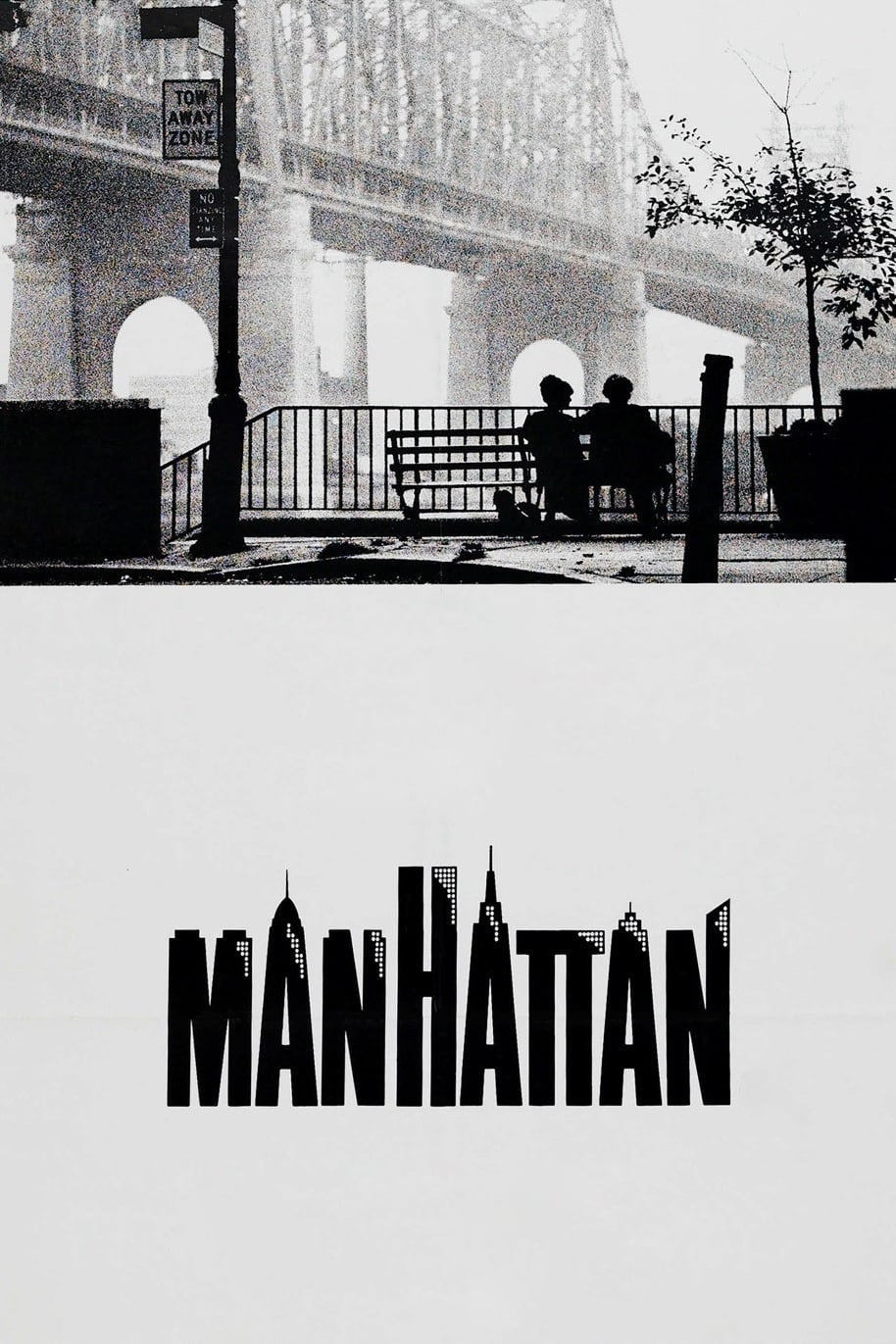
When I first encountered “Manhattan,” it wasn’t through a planned screening or some academic longing to revisit 1970s cinema. Instead, it arrived while I was wandering past midnight channels in a dim room, with the natural hush of a city at rest echoing only slightly less than Gershwin’s rhapsodic overture. The monochrome vistas somehow mirrored my own late-night contemplations of urban life and its paradoxical promises of intimacy. What keeps pulling me back to “Manhattan” is the way it lays bare contradictions I find endlessly intriguing: sophistication stained by immaturity, yearning undone by self-doubt, and the persistent—sometimes painful—beauty of connection carved from chaos.
What the Film Is About
At its heart, I see “Manhattan” as a delicate, almost surgical exploration of restlessness and moral ambiguity in modern relationships. The film follows Isaac Davis, a neurotic, quick-witted writer drifting between women, careers, and ideals, never quite grounded yet never entirely adrift. This isn’t just a tale of love lost and found. Instead, it’s a study in longing— for meaning, stability, and authenticity—through the lens of late-night walks, conversations in bohemian diners, and the jarring juxtaposition of witty banter with aching silence.
For me, the central conflict is less about Isaac’s entanglements with Tracy, the luminous but naïve high-schooler, or Mary, the cerebral journalist cloaked in skepticism, and more about his battle with his own self-awareness and rationalization. Isaac is both self-critical and endlessly self-justifying, a man capable of dazzling irony yet unable to fully wrestle his most selfish inclinations into the daylight. The film seems to whisper: can we really mature if we are still rewriting our own story to evade self-recognition?
Core Themes
The sheer timelessness of self-deception is what resonates most with me in “Manhattan”. The characters are masters at maintaining illusions—of sophistication, of superiority, of control—while their behavior persistently betrays their vulnerabilities. We see adults obsessing over youthful ideals, trying to retrofit their lives to some imagined template of romance or intellect, only to sabotage their own happiness. This examination of delusion is, for me, as sharp now as it was in 1979, and perhaps even more relevant in the selfie-era of curated digital lives.
Another essential theme is that of romantic idealism colliding with reality. The film asks: is it possible to remain ethically pure in a city so packed with ambiguity, temptation, and endless distraction? In Isaac’s impulsive pursuit of Tracy, and later his tortured affair with Mary, the quest for fulfillment is continually tangled in questions of power, age, and intent. I find this peeling away of ethical veneers deeply compelling, exposing our tendency to excuse flaws in ourselves that we’d never forgive in others.
Symbolism & Motifs
Few films use visual recurrence with the sly precision that “Manhattan” does. To me, the most dominant motif is the city itself as a living canvas. The luminous black-and-white cinematography turns Manhattan into both a playground and a labyrinth—every bridge and skyline shot isn’t just a love letter, but also a comment on scale and isolation. When characters look across the river or out school windows, the city towers back, challenging them to connect across chasms both physical and emotional.
The river, often glimpsed in sweeping transitions and moonlit walks, feels almost symbolic of the barrier between yearning and satisfaction. It separates but also reflects: the characters’ uncertain desires mirrored in water as much as in each other. Recurring images of art—whether museum paintings, literary references, or orchestral performances—underscore a yearning to capture and define fleeting moments of authenticity, even as personal lives remain unresolved works in progress.
Key Scenes
The Planetarium Interlude: A Universe of Doubt
When Isaac and Mary visit the planetarium, they lie on benches in a dome of manufactured constellations. This isn’t just a romantic evening; it’s the crystallization of their existential confusion. The immensity of the universe dwarfs their neuroses, yet their conversation circles self-involvement. I love how the scene’s silence allows for honest, almost childlike vulnerability—rare in a film defined by quick wit and repartee.
That Iconic Bridge at Dawn
The film’s most famous image, with Isaac and Tracy sitting under the Queensboro Bridge, is, for me, a perfect articulation of possibility—and melancholy. The sheer scale of the bridge, the hush of the early morning, and the frail hope on their faces capture both the magic and futility of trying to freeze happiness. It reminds me that, often, longing is more beautiful than fulfillment itself.
The Final Run to Tracy
In the closing moments, Isaac races down New York’s streets to intercept Tracy before she leaves for London. There is panic, yes, but also a desperate clarity in his eyes—an admission of what he values only as it’s about to be lost. The bittersweet denouement, with its unresolved promises, leaves me with more questions than answers, but also a sense that some truths are only grasped in their vanishing.
Common Interpretations
Among critics, “Manhattan” is often championed as a bittersweet valentine to New York, a film that turns the city into its own character. Many also read it as an unapologetic portrait of neurotic masculinity, echoing director Woody Allen’s familiar persona. There’s a prevailing notion that the witty dialogue and sophisticated references serve as a smokescreen for immaturity and predation, particularly given the story’s uncomfortable age-gap romance.
While I recognize the validity—and necessity—of those criticisms, what lingers more with me is the film’s outright honesty about emotional confusion. Rather than a simple glamorization of inappropriate behavior, I see “Manhattan” as a painfully self-aware confession, one that implicates both character and audience in the messiness of desire. It’s not a blueprint for romance; it’s a deconstruction.
Films with Similar Themes
- Annie Hall (1977) – Also directed by Woody Allen, this film shares the bittersweet navigation of love, with a particular focus on memory, imperfection, and the subjectivity of happiness.
- Lost in Translation (2003) – Sofia Coppola’s meditation on connection and alienation in a foreign city resonates with Manhattan’s own urban melancholia and in-between spaces.
- The Graduate (1967) – Its exploration of generational divides and moral drift makes it a kindred spirit, especially in its critique of post-adolescent search for authenticity.
- Before Sunrise (1995) – Richard Linklater’s film, with its winding urban strolls and existential dialogue, mirrors the fragile hope and impermanence found at the heart of “Manhattan.”
Conclusion
Watching “Manhattan” today means engaging with both its beauty and its blind spots. For contemporary audiences, I believe there’s immense value in questioning not just the characters’ decisions, but also our own complicity in romanticizing flawed love stories. Revisiting this film is less about nostalgia than about confronting the gray areas of morality, art, and longing—those ambiguities that city life (and human life) seldom allows us to resolve neatly.
Related Reviews
If you found value in my perspective, you might also enjoy exploring my thoughts on other cinematic landmarks such as “The Graduate” and “Annie Hall.”
To broaden this interpretation, you may also explore how critics and audiences responded over time.
🎬 Check out today's best-selling movies on Amazon!
View Deals on Amazon