
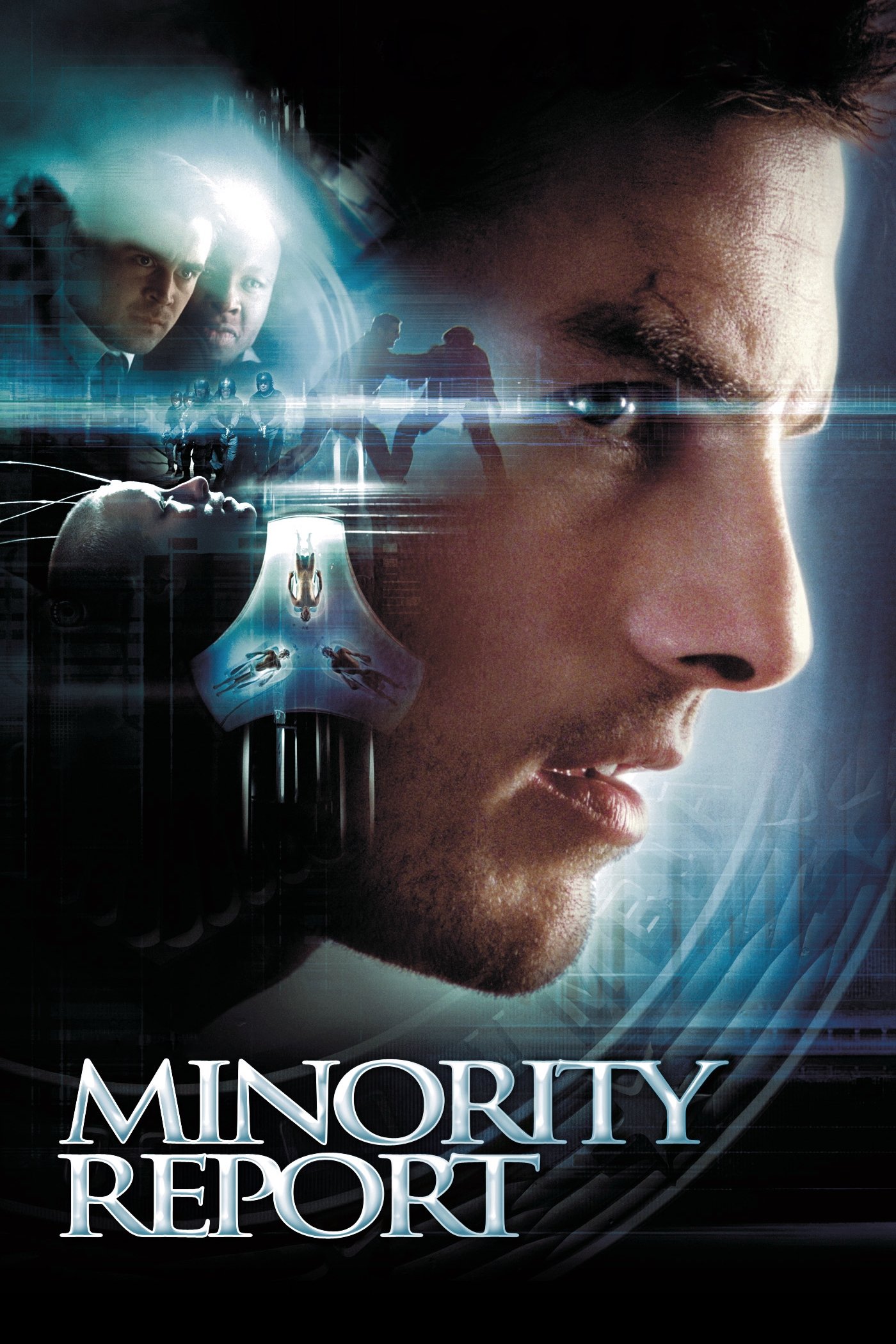
Visions That Haunt: My Uneasy Fascination With Spielberg’s Dystopia
I remember the first time I watched “Minority Report,” I was struck less by its chase scenes than by its deeply unsettling vision of a future obsessed with certainty. Right away, I felt tangled in a world that wanted to eliminate all ambiguity, and it made me squirm in my seat. Spielberg’s film didn’t just entertain me—it gnawed at my doubts about free will and justice, asking questions I couldn’t easily shake off. The film’s future is dazzlingly cold, designed not to explore what we might achieve, but what we might lose in the name of progress.
The Illusion of Choice: Freedom Under the Glass
What disturbed me most as the story unfolded wasn’t the spectacle of high-tech gadgets or acrobatic escapes, but the claustrophobia of a world where every movement is preempted and watched. Spielberg crafts a society where the promise of safety has become its own prison, and I couldn’t help but feel that chill through the screen. “Minority Report” doesn’t just ask whether we can predict crime—it asks whether we should even want to. The PreCrime system, sold as a triumph, unravels under its own logic, revealing how the quest for a perfect society crushes the unpredictable beauty of being human. Every character in this film is trapped by the choices they’re told they have, and so was I, as a viewer, forced to reckon with questions of destiny and guilt.
The Seduction of Surveillance: When Privacy Becomes a Myth
Watching the film’s relentless tracking sequences, I couldn’t ignore the palpable anxiety they stirred in me. The eye scans, personalized advertisements, and omnipresent cameras create a world that feels both thrilling and suffocating. Spielberg’s vision is more than just a techno-thriller—it’s a warning about surveillance masquerading as convenience. This isn’t a far-off future; it’s a distorted reflection of the lives we already lead, where our data trails reveal more about us than we’d like to admit. The film isn’t simply concerned with crimes stopped before they happen; it’s about the unexamined cost of surrendering privacy for safety. Every time a character is recognized, searched, or scanned, I feel an ache for the anonymity slipping away—a loss the film mourns with every polished frame.
Broken Reflections: Fate, Guilt, and the Fluidity of Truth
For me, the core of “Minority Report” lives in those moments where certainty crumbles. The “minority report” itself isn’t just a plot device; it’s a philosophical rupture. The film exposes the fallibility of systems that claim infallibility, the danger of any ideology convinced of its own righteousness. John Anderton’s desperate scramble to rewrite his fate becomes a metaphor for the broader human struggle against deterministic forces—whether technological, legal, or psychological. Each time the “PreCogs” envision a future, I sense the sorrow of being reduced to probabilities rather than possibilities. I’m left questioning whether justice can exist at all in a world that rushes to judgment without acknowledging the messiness of human nature.
The Human Pulse Beneath The Steel: Compassion in a Cold World
Despite the oppressive mechanisms of PreCrime, Spielberg sneaks in moments of aching tenderness that remind me humanity is not so easily erased. I think of the haunted expressions of the PreCogs, especially Agatha, whose visions are both curse and plea, as well as the quiet grief that lingers around Anderton’s memories of his lost son. The film’s most subversive act is to insist that empathy and doubt are not weaknesses, but the very foundations of justice. It’s in the faltering, vulnerable moments—when a mother mourns, when a suspect pleads, when a cop hesitates—that the film’s heart beats loudest, exposing the lie of any system that claims to account for every variable. Spielberg’s camera lingers on these moments, as if daring us to look away from what makes us human.
The Architecture of Control: Imagery and Design as Ideological Weapons
I can’t shake the way the film’s visual language reinforces its message. The glass walls, transparent screens, and sterile corridors are more than set dressing—they’re metaphors for a society obsessed with clarity and purity, but unable to accommodate uncertainty or ambiguity. Every time I see Anderton manipulate those floating data screens, I’m reminded of a conductor orchestrating not just information, but the very fate of others. This dazzling choreography of control is seductive, but it’s also a warning: the more perfectly we design our world, the less room we leave for error, for forgiveness, for change. Spielberg’s future gleams, but it’s the kind of brilliance that blinds rather than illuminates.
Memory as Prison and Salvation
What I keep returning to, long after the credits roll, is how “Minority Report” treats memory—not just as backstory, but as battleground. Anderton isn’t just running from a literal accusation; he’s running from a past he can’t change and a grief he can’t escape. Memory, in this film, is both a trap and a possible path to redemption. The system tries to erase the past, rewriting lives in the name of statistical purity, but the true drama lies in the human refusal to forget, to be reduced to numbers. The haunted, looping fragments of Anderton’s lost happiness echo the persistence of the soul in a world eager to move on. It’s this refusal to relinquish pain, as much as the plot’s twists, that gives the film its power.
Where Justice Buckles: The Tyranny of “Perfect” Systems
As I watched the film a second, third, and fourth time, I found myself less interested in whether the hero would clear his name, and more obsessed with the ethical rot at the center of PreCrime. It’s not just a failed system; it’s a system that was never meant to succeed on human terms. The film’s message is clear: any justice system that doesn’t allow for the possibility of error—or dissent—is already violence masquerading as order. The chilling efficiency with which suspects are neutralized, judged, and stored away is less science fiction than a parable about every society that prefers control to compassion. In this world, the measure of guilt isn’t about intent or context or regret—it’s about fitting a prediction, and that’s the most horrifying aspect of all.
Two Echoes From the Past: Films That Stir the Same Unease
After grappling with the questions “Minority Report” leaves hanging in the air, I often find myself reaching for other films that unsettle me in similar ways. If you want to dive deeper into stories that wrestle with the cost of certainty and the dangers of surveillance, I strongly recommend “Brazil” and “Blade Runner.” Both films, in their own idiosyncratic ways, probe the thin line between order and oppression—and like Spielberg’s future, they remind me just how fragile our freedom really is.
If you’re curious about how this film was originally perceived or how it compares to similar works of its era, these resources may be helpful.
🎬 Check out today's best-selling movies on Amazon!
View Deals on Amazon