
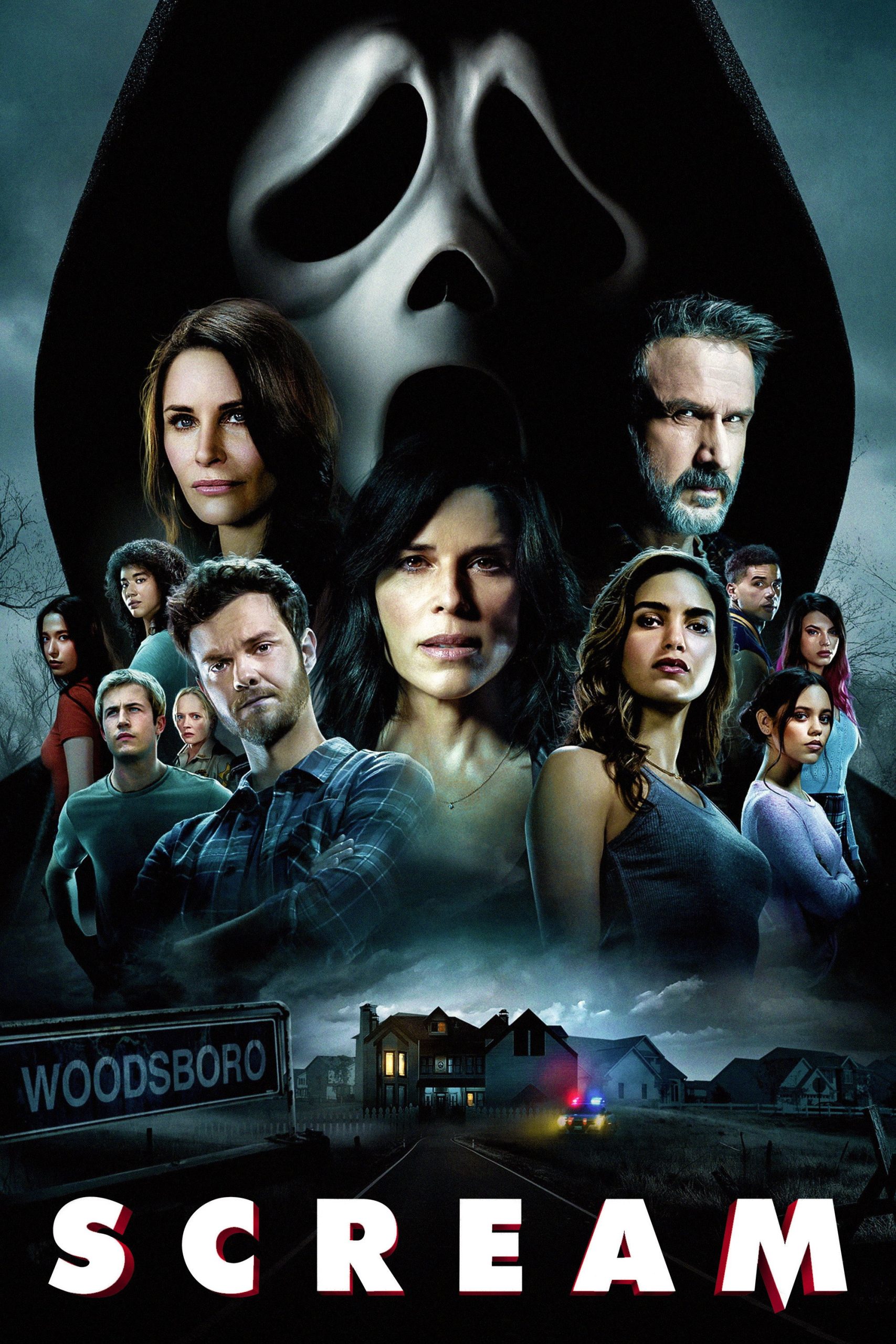
From the opening, I felt a jolt—“Scream” didn’t just want to scare me, it wanted me to question what scares me in the first place. I remember sitting in the dark, my expectations both acknowledged and upended within minutes, and realizing Wes Craven was playing an entirely new game. “Scream” (1996) is not merely a film that revitalized a stagnant genre; it is a deeply self-aware deconstruction of horror tropes, audience complicity, and the paradoxical comfort found within fear itself.
Subversive Mirrors: Craven’s Meta-Horror Playground
As I watched “Scream” for the first time, I was struck by how aggressively it calls attention to its own artifice. Characters openly discuss horror movies as a set of rules and clichés, and yet, by verbalizing these conventions, they don’t escape them—they become more tightly ensnared. Craven weaponizes the audience’s knowledge of genre formula against us, creating a space where every expectation is both met and subverted. The infamous opening, with Drew Barrymore’s Casey, sets the tone: her death delivers a shock precisely because the film cast a famous star in a seemingly invulnerable role, only to dispatch her almost immediately.
This opening is a kind of funhouse mirror for the slasher genre—a direct invocation of “Psycho’s” shower scene with Janet Leigh, but with the added twist of self-awareness. Characters aren’t just victims; they’re fans, skeptics, and critics of the very films that are about to consume them. “Scream” exists in constant dialogue with horror’s cinematic past, reflecting it, mocking it, and sometimes offering a grim update.
Teen Angst and Media Saturation: The Ghostface Generation
What haunts me about “Scream” isn’t merely its violence or its wit, but the way it captures a generation shaped by media, irony, and collective trauma. The high schoolers at the story’s center oscillate between genuine terror and a jaded numbness—they joke about being in a scary movie even as their lives become one. By making its protagonists fluent in horror cinema, “Scream” transforms genre literacy into a survival tactic and a liability. Randy’s monologue about “the rules” isn’t just comic relief; it’s a desperate attempt to impose order on chaos, to believe that understanding formula can ward off real danger.
The film’s self-referential humor is a kind of armor. Sidney Prescott, the nucleus of the story, is conscious of how her trauma has become public spectacle—her mother’s murder is tabloid fodder, and Sidney’s pain is both personal and communal. This duality is at the heart of 1990s media culture: Private suffering becomes collective entertainment, and horror is something both to fear and to consume voraciously.
Unmasking Identity: Ghostface as a Shape-Shifting Reflection
For me, Ghostface is one of the most unsettling antagonists not because of supernatural power, but because of his utter normalcy and unpredictability. The killer is not a singular, inexplicable force, but a costume—literally and figuratively—that anyone can wear. The mask is a blank slate, its only expression a frozen scream. This anonymity makes evil commonplace, suggesting the potential for violence lies latent in the ordinary and the overlooked.
The revelation of the killers’ identities is both a twist and a commentary. Billy and Stu are not monsters in the traditional sense; they’re teenagers whose motives are disturbingly rooted in jealousy, boredom, and a sense of narrative destiny. They kill because they believe they’re in a movie, and the rules demand it. The film indicts not only its killers but also the audience and the culture that has romanticized and ritualized violence.
The Mask of Irony: Horror as Cultural Commentary
I recognize in “Scream” a profound ambivalence toward its own genre. The film delights in scaring and entertaining, but it is never purely cynical. Its layers of irony are both a shield and a source of vulnerability; by acknowledging the absurdity of horror conventions, it frees itself to explore deeper anxieties. Sidney’s journey from victim to survivor (and finally, to fighter) is a defiant assertion of agency, a refusal to become just another casualty in someone else’s script.
The film’s humor is not merely a distancing device. Instead, it’s a mechanism for coping with the rising tide of dread—a way for characters and audience to process the climate of fear that permeates both the fictional Woodsboro and the broader media landscape of the 1990s. “Scream” understands that fear doesn’t just live in the dark; it hides behind laughter, sarcasm, and pop culture references.
Fear as Ritual: The Seduction of Formula
One of the most striking patterns I noticed is how “Scream” treats horror as ritual—a dance of anticipation and release. The “rules” discussed throughout aren’t just jokes; they’re the guidelines that give shape to communal experience. The film recognizes the paradoxical comfort found in familiar scares; by following a pattern, horror becomes manageable, even reassuring.
Yet, Craven disrupts this comfort by constantly reminding us that real life is messier and far less predictable than fiction. The most unsettling moments aren’t simply those where the killer strikes, but when the illusion of control shatters—when the script goes off the rails. The film’s power lies in its ability to make us complicit in the rituals we pretend to outsmart.
Haunted by Mothers: Repression, Loss, and Sidney’s Struggle
Beneath the film’s slick wit and playful gore, I find a haunting exploration of repression and unresolved grief. Sidney’s fraught relationship with her mother’s memory permeates every scene; the town’s collective denial about Maureen Prescott’s life and death mirrors Sidney’s own struggle to process her trauma. The specter of the mother is a classic horror motif, but in “Scream,” it’s linked to shame, rumor, and communal guilt.
The revelation of Maureen’s true life story becomes a catalyst for violence, exposing the ways in which a community’s secrets fester and erupt. Sidney’s arc is about reclaiming narrative control—she refuses to be defined by her trauma or the stories others tell about her. The film’s catharsis is not just survival, but the hard-won ability to articulate and confront the pain that has been papered over with euphemism and denial.
Voices on the Line: Technology, Alienation, and Intimacy
The motif of the telephone in “Scream” is, for me, more than a plot device; it’s a symbol of the film’s core anxieties about technology and human connection. The killer’s voice is both familiar and terrifyingly unknowable, invading the sanctuary of home and turning casual conversation into mortal peril.
This intrusion is emblematic of a world in which boundaries are increasingly porous—where the line between public and private, entertainment and reality, is constantly blurred. The phone calls are both invitations and threats, reminders that no space is safe from being transformed into a stage for horror.
Legacy of the Scream: Enduring Impact and Ironic Rebirth
Looking back, I see how “Scream” accomplished something unprecedented: it resuscitated a genre by vivisecting it, all while creating genuine suspense and terror. Its influence rippled through the late 1990s and early 2000s, spawning imitators and sequels, but few captured its blend of self-awareness and sincerity. Craven’s film is a testament to the power of reinvention; it reminds me that genres are living things, constantly shaped by the anxieties and desires of their audience.
The meta-horror movement that followed often mistook reference for resonance—yet “Scream” endures because it weds self-reflexivity to emotional urgency. The film’s central question is not just “Who is the killer?” but “Why do we need these stories?” In asking that, it implicates us all—creators, consumers, and critics alike—in the perpetual cycle of fear and catharsis.
Two Films That Echo the Spirit of “Scream”
- “Halloween” (1978)
- “Peeping Tom” (1960)
If you’re curious about how this film was originally perceived or how it compares to similar works of its era, these resources may be helpful.
🎬 Check out today's best-selling movies on Amazon!
View Deals on Amazon