
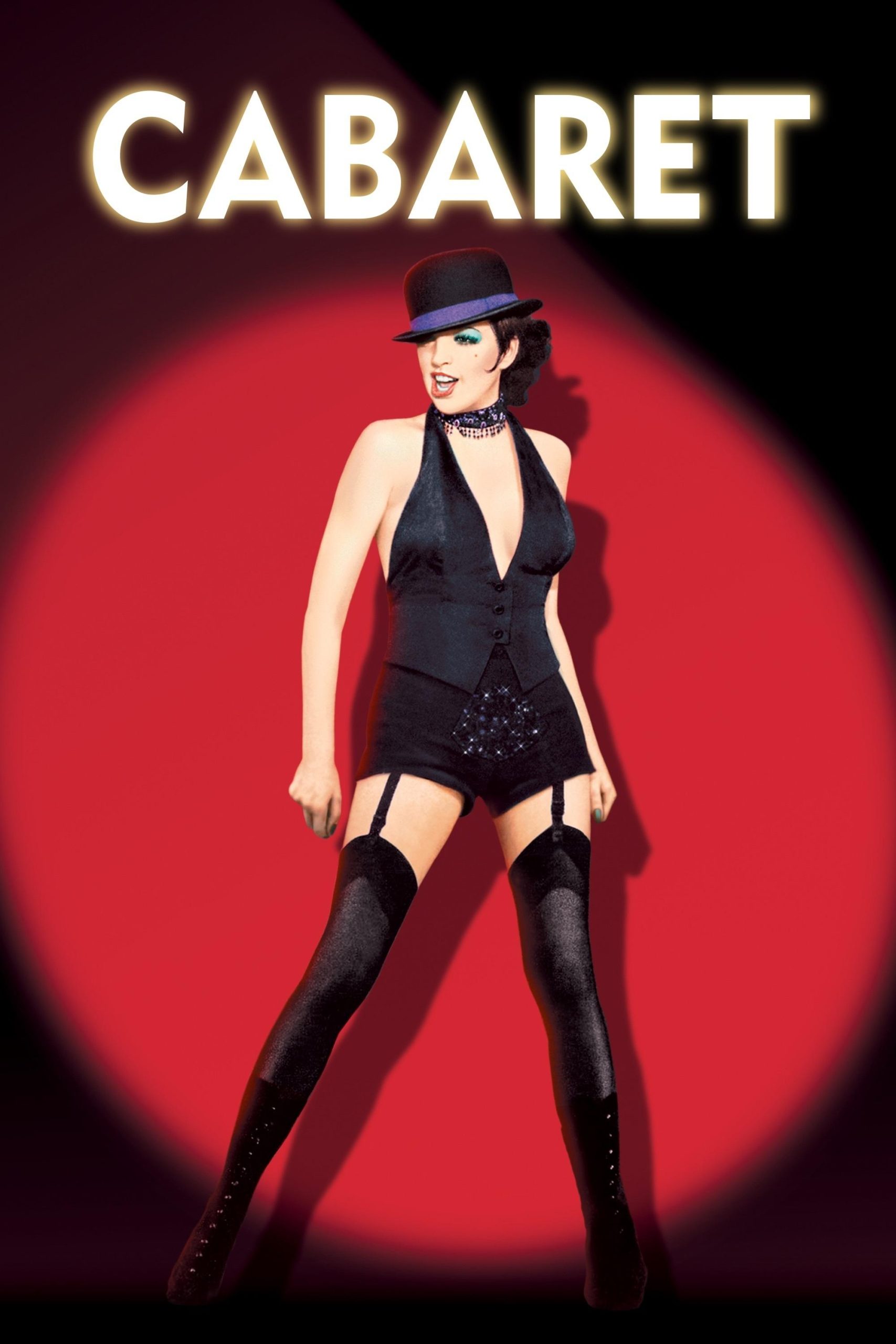
When I first watched “Cabaret,” I was oddly unsettled and almost hypnotized in equal measure. I remember late-night reruns—when the world outside seemed as precarious as Weimar Berlin—where the smoke, mirrored faces, and irrepressible energy of the Kit Kat Klub spilled from the screen. The combination of Liza Minnelli’s fearless, yearning bravado and the sly glint in Joel Grey’s Emcee was more than performance; it was an aesthetic pronouncement on decadence, danger, and the contradictions of desire. “Cabaret” has never felt like simple escapism to me. The film lures with spectacle but is forever casting shadows at the margins, pushing me to look again and ask uncomfortable questions about what I’m truly seeing.
What the Film Is About
To me, “Cabaret” is less a musical about show business and more a relentless autopsy on societal decay and personal self-deception. The film plunges into the uneasy pleasures of 1931 Berlin, with Sally Bowles as its beating, desperate heart. Sally’s outsider exuberance—her insistence on dazzling when everything is crumbling—serves as an emotional lodestone for everyone around her, especially for Brian Roberts, whose own journey from repression to fleeting liberation is mirrored in the world’s lurch toward catastrophe.
The emotional trajectory is anything but linear. At its core, the film is consumed by the tension between freedom and ruin. Sally’s bravura declarations of living “for today” are imbued with a frantic optimism that only grows more poignant as the world tilts toward fascism. As the cabaret’s glittering numbers unfold between scenes of rising violence and social unrest, I feel almost complicit—dazzled and disturbed at the same time. It is this duality that makes “Cabaret” less about any single character and more about the soul of a society dancing itself into oblivion.
Core Themes
The multivalence of “Cabaret” is embedded in its themes, which continue to reverberate decades after its release. Identity and belonging are at the surface—who Sally Bowles wants to be, who Brian tries to become, who they are to each other. But beneath that lies something darker: the film is a meditation on power—sexual, political, and cultural. The creeping presence of Nazism is never front and center, but like a stain, it spreads inexorably, infecting even the spaces meant for escape.
Upon its release in 1972, American audiences were confronting the residue of the 1960s’ failed utopias, the Vietnam War, and the slow, public disenchantment with the American dream. The anxieties that pulse through “Cabaret”—fear of the future, desperate self-fashioning, the lure of denial in the face of threatening realities—felt as pointed then as now, when populism and the politics of spectacle threaten to overwhelm substance. I find the film’s interrogation of how people retreat into private worlds—art, sex, and personal reinvention—both eerily prescient and uncomfortably close to the way many of us navigate uncertainty today.
Symbolism & Motifs
I am repeatedly struck by how much “Cabaret” is a work of symbols—a film where settings, songs, and glances carry the weight of history. The Kit Kat Klub itself isn’t just a venue; it’s a hermetically sealed bubble in which the outside world is distorted, refracted, and sometimes pointedly ignored. The omnipresent mirrors—backstage, in dressing rooms, onstage—underscore the film’s obsession with self-image and illusion. To stand in front of a mirror here is to rehearse not just a performance for others, but a performance for oneself, a refusal to face the encroaching storm beyond the cabaret’s doors.
The recurring motif of the Emcee’s interstitial performances is essential. His numbers are grotesque, burlesque, and playful, but always laced with menace. When he delivers “If You Could See Her,” grinning through a love song to a woman in a gorilla suit, the innocence collapses—the joke’s cruelty mirrors society’s descent into brutality, and we’re not allowed to merely laugh. Even costuming communicates a gradual loss of innocence: Sally’s sparkling greens and pinks give way to more somber shades as the film progresses. The microphone, always suggestively wielded, becomes a symbol of both power and impotence—what is said, what is silenced, what is sung when words won’t do.
Key Scenes
“Tomorrow Belongs to Me”: Poison in the Air
There’s one sequence that, for me, makes the political horror of “Cabaret” not just present but unavoidable. In a leafy biergarten, a handsome youth stands and sings “Tomorrow Belongs to Me.” What begins as a folksy melody swells into a chilling chorus as fellow patrons rise, revealing Nazi armbands, their voices merging in patriotic rapture. The power of this scene is its slow, almost seductively ambiguous escalation. I remember feeling the hair prickle at my neck: what started as harmless tradition is revealed as the seed of violence. It’s one of the rare moments when fantasy and denial are utterly punctured, forcing everyone—characters and viewers alike—to confront the world outside the cabaret.
Sally’s Audition: “Maybe This Time” as Personal Anthem
I always return to Sally’s rendition of “Maybe This Time” as her emotional crucible. Here, the dazzle drops: she stands alone on stage, projecting raw hope and despair in equal measure. This performance is not cabaret, but confession. Liza Minnelli’s voice trembles and soars by turns, expressing the yearning for love and stability in a world that refuses to offer either. In that three-minute span, her bravado and fragility are fused; the number is stripped of irony and becomes suddenly, searingly vulnerable. It’s a moment that haunts me: an emblem of how people project possibility even in the darkest times.
The Closing Montage: Laughter in the Dark
The final dissolve between cabaret and reality offers, to me, the most devastating coda. The distorted, glassy-eyed faces in the mirror, the Nazi uniforms now populating the club, and the Emcee’s broken, knowing smile—all of it lands like a punch. The film’s refusal to offer hope—its insistence on ambiguity and complicity—demands reckoning. The world is on the brink, and laughter cannot banish what is coming. This ending lingers precisely because it neither condemns nor absolves; it shows the price of escape, and asks what we, in our own age, are escaping from.
Common Interpretations
Many critics have called “Cabaret” a warning against the dangers of complacency, arguing that its cabaret-as-microcosm structure is a meditation on artistic escapism in a time of political crisis. This is certainly true—and valuable—but my experience of the film is knottier. Most reviews, even the most effusive, too easily label Sally Bowles as a tragic hedonist or as a symbol of the lost avant-garde. But for me, the real power of “Cabaret” is its unflinching portrayal of the human need for denial and the seductions of self-invention. I don’t see Sally merely as doomed; I see her choice to keep performing, to keep pretending, as both an act of resistance and a quiet surrender. My disagreement with some critical readings is that they often flatten the film into a simple fable. I see instead a cruel, beautiful ambiguity that is alive and unresolved. The musical numbers don’t offer respite—they’re the spaces where dreams are bought and sold, and where reality slips in sideways.
Films with Similar Themes
- “Cabaret” and “All That Jazz” (1979): Both films use musical performance as a vessel for exploring artistic self-destruction, the blurred line between life and spectacle, and the emotional costs of relentless pursuit.
- “The Damned” (1969): Visconti’s operatic descent into the corruption of a wealthy German family charts the moral collapse and political horror that pervades “Cabaret,” asking who profits from denial and decadence.
- “Aimee & Jaguar” (1999): The tensions of love and identity against the Nazi rise echo “Cabaret’s” treatment of forbidden desires and personal defiance against encroaching fascism.
- “Chicago” (2002): While visually glossier, “Chicago” shares “Cabaret’s” concern with performance as survival, the commodification of female bodies, and the dark glamour of escape.
Final Thoughts: Revisiting “Cabaret” in a New Century
“Cabaret” is a film I keep returning to, not just because of its beautiful artifice, but because its questions have never ceased to matter. For new viewers, I urge a willingness to embrace contradiction: let the spectacle sweep you in, but stay alert to the darkness beneath. There is no safe distance here—just mirrors reflecting our own uncertainties back at us. To understand “Cabaret” is to sit uncomfortably with history and recognize how easily the border between fantasy and catastrophe dissolves. The film becomes more than its era; it is a lens through which we can see ourselves trembling on new thresholds.
Related Reviews
If you found value in my perspective, you might also enjoy exploring my thoughts on other cinematic landmarks such as “All That Jazz” and “The Damned”.
To broaden this interpretation, you may also explore how critics and audiences responded over time.
🎬 Check out today's best-selling movies on Amazon!
View Deals on Amazon