
A Summer’s Heat and the Intoxication of First Desire
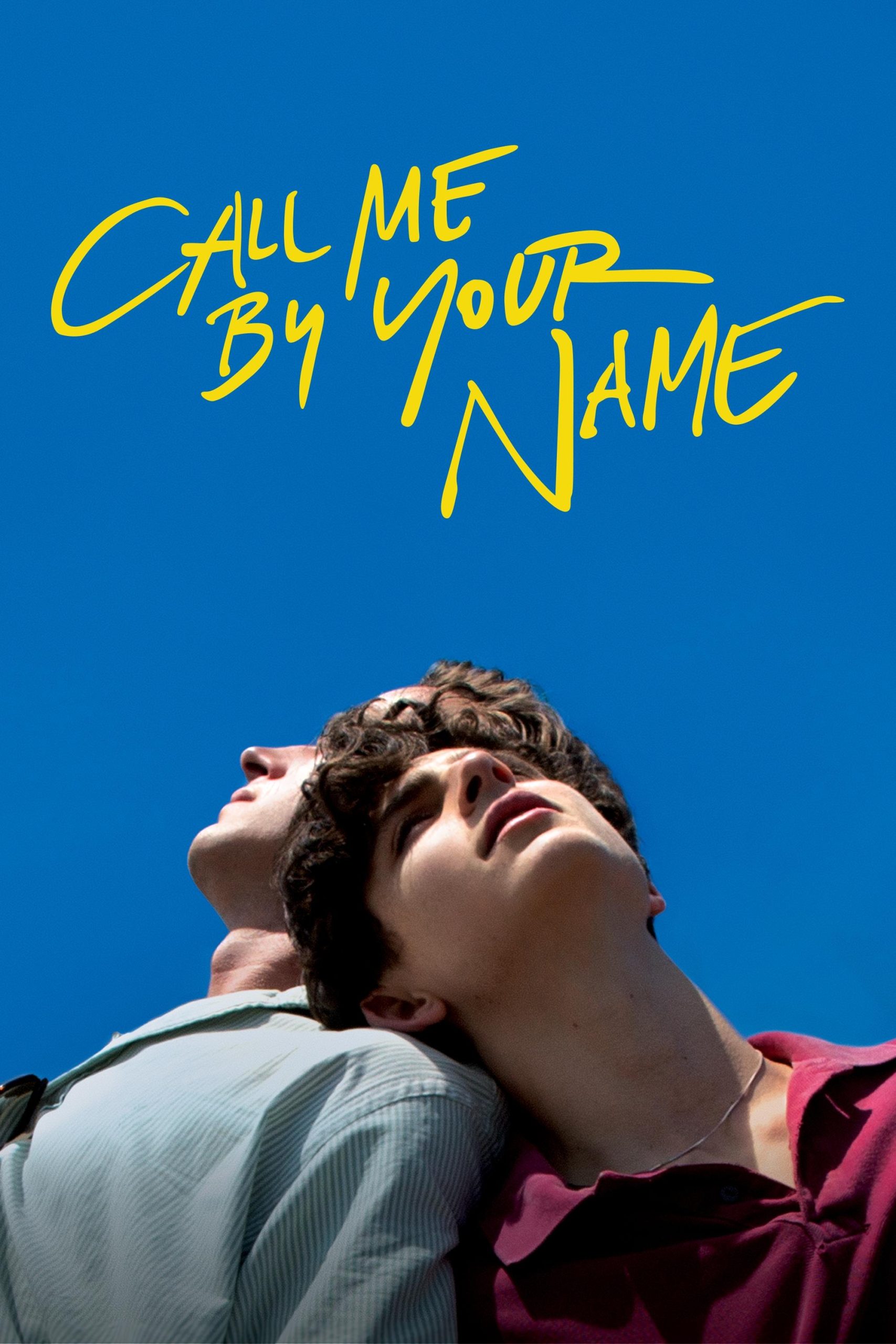
I remember the first time I saw “Call Me by Your Name,” the sun seemed to linger in the room long after the credits rolled, as if I’d been living in that Italian villa right alongside Elio and Oliver. There’s something about the way Luca Guadagnino’s film frames longing—not simply as a teenage staple, but as a force of nature that invades every sense. This is a film that isn’t about a love story so much as it is about the act of wanting, the ache of anticipation, and the bittersweet aftertaste of what we dare to experience fully, even if only for a moment. The summer is palpable in every frame, not just as a setting but as a crucible of transformation, and I found myself remembering my own moments of wordless yearning, as if the film were reaching back into my private histories.
The Silence Between Words—Speaking Love Without Saying It
What strikes me most when I revisit this film is how much is left unspoken. The glances across the breakfast table, the subtle brush of a hand, the spaces carved out in silence—these are more eloquent than dialogue. Guadagnino seems to understand that desire, especially queer desire in a heteronormative world, is lived out as much in the things unsaid as in the declarations. The characters speak in veiled signals and coded language, and I feel the tension of every missed opportunity, every hesitation, as if I’m complicit in the secret myself.
That’s the miracle of this film: its willingness to linger, to let moments breathe, to trust in the slow burn. It refuses to simplify attraction into something easily resolved, showing instead how love can be as much about confusion and fear as it is about joy. Watching Elio play Satie on the piano while Oliver listens, I feel the ache of things that cannot be voiced, the way music and art become their own dialects when the spoken word fails us.
The Italian Landscape as an Emotional Canvas
There is a physicality to “Call Me by Your Name” that goes beyond the bodies of its protagonists. The film immerses us in a world of ripening fruit, drowsy afternoons, and crystalline rivers. The landscape becomes a metaphor for the characters’ internal states—lush and fertile, but also transitory, destined to change. I can’t separate Elio and Oliver’s story from the peaches, the sunlight on the villa wall, the bicycle rides through fields of green.
I notice how Guadagnino uses color and texture to evoke sensation, not just sight. Everything is tactile: the squish of ripe fruit, the scrape of gravel underfoot, the gentle slosh of water on skin. These elements reinforce the idea that love is something lived through the senses, experienced in the body before it can ever be processed by the mind. When Elio and Oliver finally come together, it feels like a natural event, the culmination of a season—not just a choice, but an inevitability, like the shift from spring to summer.
Parental Wisdom and the Architecture of Acceptance
The monologue delivered by Elio’s father near the end is a moment that stays with me long after each viewing. I read it not just as a parent’s encouragement, but as a radical message about embracing pain, not shunning it, and allowing oneself to feel deeply, regardless of the consequences. Here, the film suggests that the worst fate isn’t heartbreak but numbness—the refusal to risk love for fear of loss.
I’m moved by the gentle way the film treats intergenerational understanding. Elio’s parents are not obstacles to overcome but quiet guides, creating a space where self-discovery isn’t punished but quietly supported. This generosity feels rare, both in cinema and in life, and it reminds me that coming of age isn’t just about rebellion, but about being seen and accepted for who you are.
Time’s Relentless March—Memory, Nostalgia, and the Price of Becoming
I don’t think any other film has left me with such a keen awareness of time’s passage as “Call Me by Your Name.” Summer is fleeting; so is first love. The languid pacing tricks me into believing these days could last forever, but autumn arrives, the world shifts, and what was vivid becomes memory. The film captures that exquisite pain of looking back—a nostalgia sharpened by the knowledge that you can never return to the moment when everything was possible.
It’s in the final moments—Elio’s tears in front of the fireplace—that I feel the real message take hold. To remember is to honor the past, not with bitterness but with gratitude for the ways it has shaped us. The film is honest about the cost of loving openly: the inevitable heartbreak, the residue of longing. Yet it also suggests that these experiences are what render us fully alive; that the risk is always worth taking, no matter how brief the reward.
Identity, Fluidity, and the Courage to Name Desire
There’s an alchemy in the way the characters invoke each other’s names. “Call me by your name, and I’ll call you by mine.” It sounds like a game, but to me, it’s the film’s most profound question: Can we truly see and be seen, or must we always wear a mask, even in love? The boundaries between Elio and Oliver blur in these moments, and what emerges is a vision of identity that isn’t fixed, but fluid, open to transformation in the presence of another.
The film never reduces their connection to labels; it’s less about “coming out” and more about coming into oneself through the act of loving another. The names they exchange are tokens of intimacy, but also admissions of vulnerability. I come away from the film believing that the ultimate liberation isn’t in being “out” or “in,” but in being known by another, and in daring to reciprocate that knowing.
Art, Music, and the Translation of Feeling
I could never overlook the importance of art in “Call Me by Your Name.” The paintings Elio’s father studies, the music Elio plays, the fragments of poetry—they aren’t just atmosphere, but part of the story’s emotional grammar. Art becomes a means for characters to articulate what they can’t say out loud, a shared language that deepens their bond.
I see Elio’s obsession with music as a mirror to his inner tumult—his frustration, his longing, his attempts to decode Oliver’s intentions. The film itself feels like a piece of art, structured less around dramatic incident than around leitmotifs: a Bach prelude, a passage from the sculpture, a line of poetry. It’s as if Guadagnino is inviting me to participate not as a passive viewer, but as a fellow traveler, decoding the emotional codes along with the characters.
Lingering in the Golden Hour—Why This Story Endures
Every time I watch “Call Me by Your Name,” I’m reminded that love stories don’t need to be epic to feel monumental. The film’s real power lies in its intimacy, in its willingness to dwell on small, quiet moments that accumulate into something transcendent. I find myself grieving at the end, not only for Elio and Oliver, but for all the lost summers, all the opportunities I let slip by because I was too afraid to reach out.
What stays with me most isn’t tragedy, though, but a sort of defiant hope. Even if the love is brief, even if it ends in parting, the experience lingers, enriching our lives and giving us the courage to feel more deeply the next time. This is a film that doesn’t shy from pain, but insists that beauty and loss are inseparable, and that to live fully is to accept both.
For Those Drawn to Sunlit Longing—Two Kindred Films
If, like me, you’re haunted by the sun-dappled ache and lush introspection of “Call Me by Your Name,” there are two classic films I’d urge you to seek out:
- “Death in Venice” (1971) – For its meditative pacing, rapturous setting, and exploration of forbidden longing, Visconti’s adaptation of the Thomas Mann novella is a profound meditation on beauty and desire at the edge of loss.
- “Maurice” (1987) – Merchant-Ivory’s adaptation of E.M. Forster’s novel unfolds another bittersweet passage through the terrain of queer love and self-acceptance, set against the backdrop of Edwardian England, but with emotional resonances that echo the journey of Elio and Oliver.
If you’re curious about how this film was originally perceived or how it compares to similar works of its era, these resources may be helpful.
🎬 Check out today's best-selling movies on Amazon!
View Deals on Amazon