
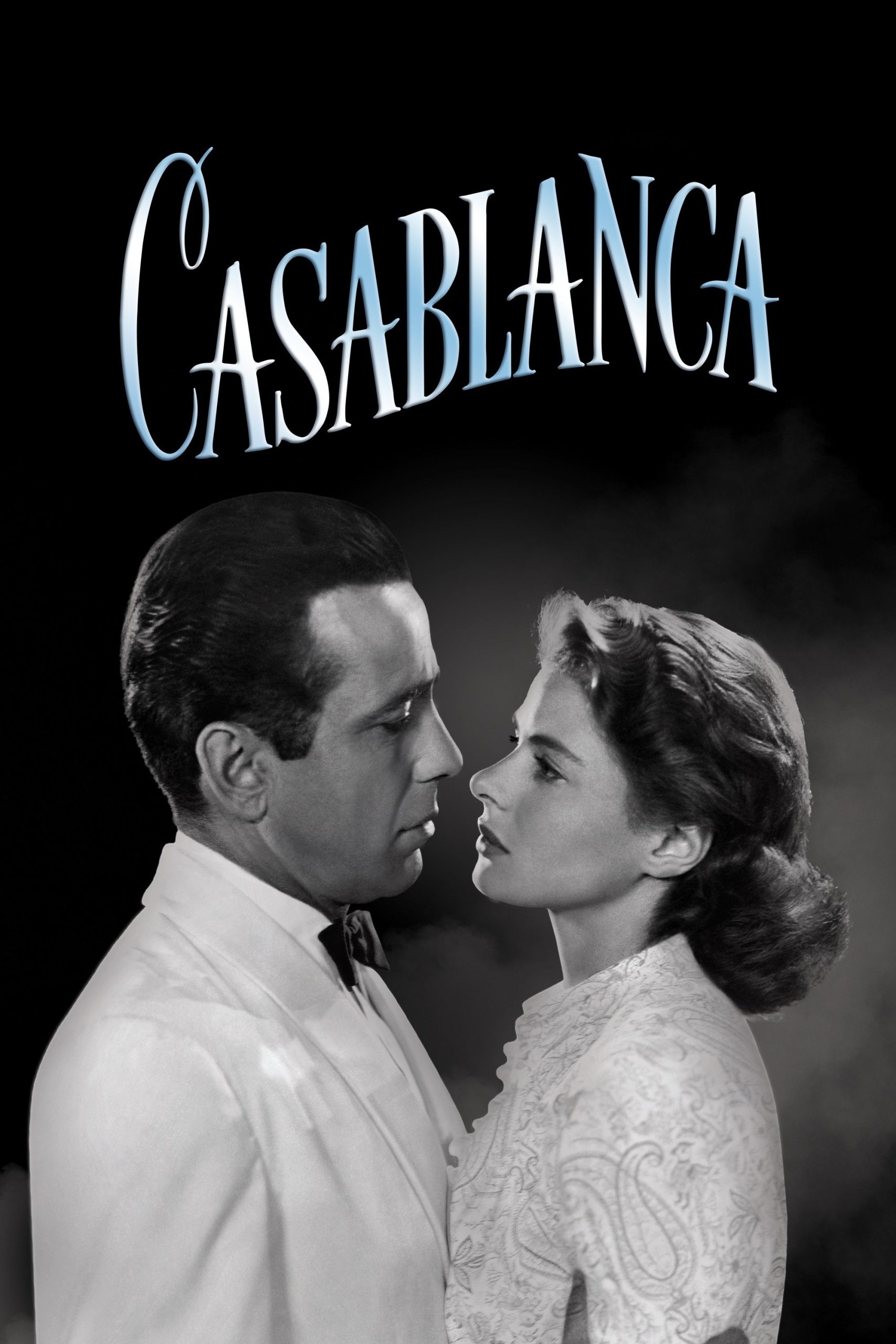
Haunted by Choices: The World of Casablanca
There’s a moment in Casablanca when the camera lingers not on words, but on faces—on longing, on conflict, on the silent pain lurking behind noble actions. That’s where I always find myself most absorbed: in the faces that give voice to what can’t be spoken, in the aching tension between personal desire and historical necessity. To me, Casablanca isn’t just a love story set in a time of war; it’s a meditation on what it means to do the right thing when every right choice comes at an unbearable cost.
The Refugee Gaze: Borders, Identity, and Waiting Rooms
Every time I watch Casablanca, I’m struck by how the whole film feels like a waiting room. The city teeters on the edge of Europe and North Africa, a crossroads haunted by desperation. I see this not merely as a physical backdrop, but as a metaphor for the liminality facing every character. The refugees in Rick’s Café aren’t just stuck in transit; they’re suspended between what they once were and what the war has forced them to become. Even Rick himself—an American played with such resigned gravity by Humphrey Bogart—seems caught mid-transformation. There’s a sense that identity is ephemeral, forged and reforged amid the relentless shuffle of papers, visas, and false promises. Casablanca itself becomes a character: a place defined by uncertainty, a crucible where dreams and loyalties are tested.
Love and Sacrifice: Subverting the Hollywood Ending
It’s tempting to remember Casablanca as a sweeping romance, but every time I revisit it, the love story feels almost subversive in its conclusion. I’m always struck by how the film refuses to grant us the comfort of fulfilled passion. Rick and Ilsa’s relationship isn’t about possession or even reunion—it’s about the bittersweet recognition that personal happiness can be sacrificed for something vaster and more urgent. Their love is real, yet it’s rendered impossible by circumstance. In that impossibility, I see a radical departure from the era’s escapist fantasies. Casablanca’s message is almost heretical: sometimes, the most profound love is the one that lets go, that chooses principle over longing. I feel the ache of that decision every time Rick lets Ilsa go, knowing their connection must remain suspended forever in the past.
The Specter of War: Personal Lives Amid Global Upheaval
When I think of the gravity that permeates every frame, I realize how the war saturates even the most private moments. The threat of Nazi occupation and the shadow of collaboration aren’t just narrative devices; they’re existential realities shaping all decisions. The characters’ individual dilemmas are never just their own—they’re echoes of a world convulsing with uncertainty and dread. Victor Laszlo’s resistance, Renault’s moral ambiguity, even the small acts of kindness or betrayal among the cafe’s denizens—all reverberate with the knowledge that the stakes are, literally, life and death.
Casablanca insists that history is not a distant force but an intimate, daily weight shifting the balance of love, loyalty, and self-preservation. I see this reflected every time Rick hesitates or Renault tosses a loaded coin—each gesture is shaded by the perilous context in which survival and ethical responsibility blur.
The Weight of Memory: Nostalgia as Burden
There’s a peculiar magic in the way Casablanca handles memory. The past is not merely remembered, it’s endured. Rick’s brooding over Paris is less about sentimentality and more about a wound that refuses to scab over. For Rick and Ilsa, the past functions less as a comfort and more as a burden—one that shapes their present choices with a kind of melancholy inevitability. I feel the ghostly presence of what was lost in every look, every piano note, every sip of whiskey. The iconic “As Time Goes By” isn’t just a love song; it’s a lament for the irrecoverable, an anthem for loves and lives swept away by forces beyond anyone’s control.
Symbols in Smoke: The Language of Objects
What fascinates me most about Casablanca’s visual language is the way it invests ordinary things with extraordinary significance. I find meaning in every bottle of Vichy water, every rumpled letter of transit, every flickering cigarette. The famous letters become more than plot devices; they’re symbols of hope, escape, and the tantalizing possibility of agency in a world that offers precious little. Even the shadowy lighting and the perpetual haze inside Rick’s Café mimic the moral ambiguity at play. Nothing is clear, nothing is certain. I see the perpetual smoke as visual shorthand for the fog of war and the murkiness of human motivation. In Casablanca, objects and atmosphere collude to create a world as emotionally clouded as it is visually.
Lines That Linger: Dialogue as Philosophy
Some films are defined by what’s said, and Casablanca’s dialogue carries the weight of poetry and prophecy. Every time I hear “We’ll always have Paris,” it feels less like a line than a mantra for lost causes. To me, the script’s enduring power lies in how every exchange pulses with ambiguity. Declarations of loyalty are loaded with subtext. Farewells are never just goodbyes; they’re reckonings. The film’s ending—“I think this is the beginning of a beautiful friendship”—is not the neat resolution it first appears, but a bittersweet acknowledgment that life after loss demands reinvention and resilience.
I find myself returning to these words, not for comfort, but for their clarity about the world’s complexity. The language of Casablanca reminds me that wisdom often comes at the cost of peace, and that sometimes the most enduring truths are delivered with a wry smile and a weary heart.
Casablanca’s Legacy: Why Its Message Endures
What moves me most about Casablanca is its refusal to offer easy answers. The film’s greatness lies not in its resolution of conflict, but in its acceptance of ambiguity. It’s a story that understands the heartbreak of impossible decisions, the necessity of sacrifice, and the solace of fleeting alliances. Every time I watch it, I’m reminded that the world rarely offers perfect solutions, especially in times of crisis. Instead, we are asked to act—not because it will bring us happiness, but because it’s right.
In Casablanca, I see a world where principles matter, but so do wounds and compromises. The film’s enduring power stems from its faith that, even when hope seems futile, dignity and courage are choices worth making. That’s what I take away from every viewing: the conviction that meaning is found not in victories or reunions, but in the ways people hold on to decency against the odds.
For Those Drawn to Shadows and Sacrifice
If the soul of Casablanca speaks to you—the ache of impossible love, the shadow of war, the weight of choosing conscience over comfort—I’d urge you to seek out
- Notorious
- Now, Voyager
If you’re curious about how this film was originally perceived or how it compares to similar works of its era, these resources may be helpful.
🎬 Check out today's best-selling movies on Amazon!
View Deals on Amazon