
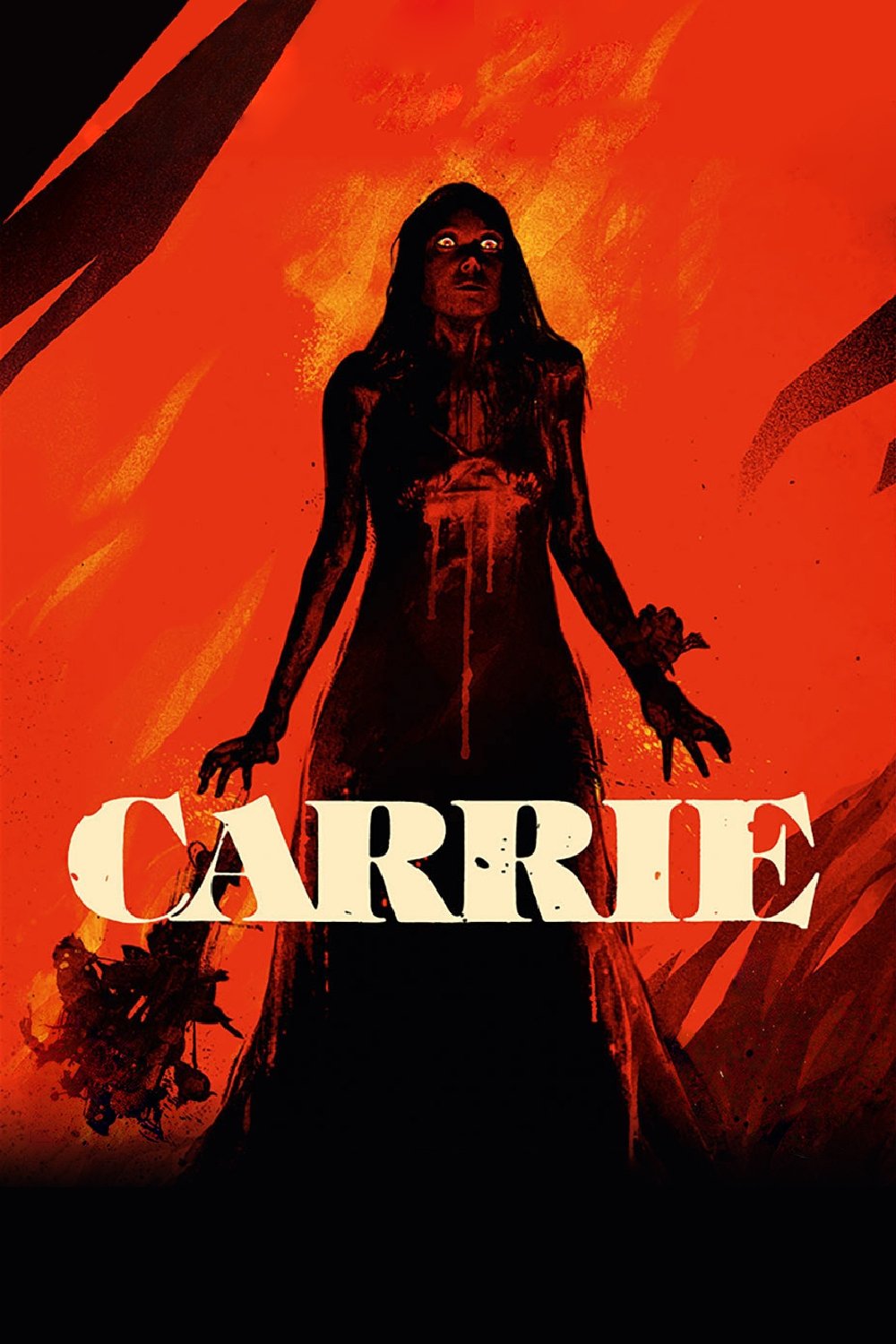
The first time I encountered “Carrie,” I was barely a teenager myself, flicking through late-night television channels and stopping, captivated, at the pathetic yet eerie sight of Sissy Spacek’s wide, watery eyes staring out from a curtain of blood. Afterward, I couldn’t shake my discomfort–and fascination–with what I’d witnessed. It wasn’t just the shocks and supernatural flourishes that disturbed me; it was something more intimate, a piercing recognition of vulnerability and rage. “Carrie” lingers with me as both a powerful psychic horror and the sharpest possible portrayal of outsider anxiety. Every viewing reawakens that adolescent unease and empathy, reminding me of school hallways, secret fears, and the ache of wanting to belong yet fearing the cost.
What the Film Is About
At its core, “Carrie” is a vivid, aching study of alienation and repression, wrapped inside a supernatural revenge narrative. The protagonist, Carrie White, endures unrelenting cruelty at her high school and emotional imprisonment at home. She’s tormented for her differences—the blush of sexual awakening, her awkwardness, her innocent longing for acceptance—which transforms her into an emotional powder keg. The emotional journey unfolds with a spiraling intensity: Carrie’s tentative opening up, her fleeting moments of hope, and her final, devastating retribution.
What stands out to me is how the film taps into the primal terror of adolescence. Director Brian De Palma crafts not just a horror film, but a tragedy about monstrousness born from cruelty and neglect. De Palma and screenwriter Lawrence D. Cohen (adapting Stephen King’s first published novel) are remarkably attuned to the everyday indignities that can break a person. “Carrie” asks if it’s possible to bear repeated humiliation and still hold on to one’s humanity—or whether the world will inevitably create its own monsters through neglect and abuse.
The film is trying to say, to me, that the need to be seen and loved is universal, even as it warns how easily society can weaponize difference. “Carrie” holds up a mirror to our own basest impulses, exposing the line between victim and avenger, and implicating the viewer in the horror that unfolds.
Core Themes
Marginalization and the violence of conformity are, in my estimation, at the heart of “Carrie.” It captures the way schools and families, as microcosms of society, enforce sameness and punish deviation—especially for young women at the threshold of adulthood. Carrie herself becomes a vessel for the fears and anxieties projected by those around her: her mother’s religious mania, her classmates’ cruelty, and the community’s repressed desires.
The power dynamics are unmistakable. Power is alternately denied, feared, and rediscovered—first as the shame Carrie feels for her body, then as the psychic abilities she gradually learns to control. The horror is not just supernatural: it’s in the day-to-day humiliations that cumulate until something, or someone, snaps. When I consider why this resonated in 1976, I see its release as coinciding with second-wave feminism and cultural anxieties about traditional gender roles. “Carrie” is about the dangers of repression and what happens when agency is pathologized or punished.
In today’s world, these themes feel as relevant as ever. Bullying, body-shaming, and the struggle for acceptance remain potent, and “Carrie” uncannily anticipates modern conversations about trauma and rage. The film’s confrontation with female power—both as a source of terror and, briefly, liberation—makes it timeless in its provocations and insights.
Symbolism & Motifs
I find “Carrie” extraordinarily rich in imagery and symbolism. Blood, first and foremost, is both literal and metaphorical: it marks the onset of Carrie’s womanhood in the infamous locker room scene, and, later, it stains her innocence at the prom. Blood here is shame, violence, and the inescapable mark of otherness. De Palma frames it not just for shock value but as the recurring emblem of Carrie’s transition—from victim to something darker.
The interplay of light and shadow is another motif that grips me. De Palma uses split-screen photography and harsh lighting to fracture the perspective, often trapping Carrie in an off-kilter, dreamlike world. Mirrors and reflections haunt the film, reinforcing the theme of self-perception versus public identity. The White house itself is a stifling crucifixion chamber; every wall is festooned with religious iconography, amplifying Margaret White’s oppressive control and Carrie’s growing resentment.
This barrage of symbolic detail pushes “Carrie” beyond standard horror. Every image interrogates the boundaries between purity and sin, belonging and exile, making the viewing experience an almost ritualized confrontation with guilt and power.
Key Scenes
The Locker Room: Humiliation in Soft Focus
The film’s opening, which lingers on Carrie’s shower humiliation, is as disquieting now as ever for me. The gentle camera movements and ethereal music lull the viewer, only to shatter the illusion with the cruelty of Carrie’s classmates throwing sanitary products and chanting “Plug it up!” This scene is foundational: it broadcasts her social alienation and introduces menstruation as a trigger for fear and violence. The moment establishes the psychological wound that permeates the film.
Prom Night: The Glittering Abyss
Nothing in American horror lingers like the prom massacre. For a fleeting moment, Carrie is allowed the impossible: acceptance, romance, and the ecstatic joy of being crowned prom queen. The subsequent bloodbath (both literal and figurative) is a virtuosic showcase of De Palma’s technique—split screens, swirling camera movements, cacophonic chaos. This transition from fairy tale to nightmare encapsulates everything I find so shattering about the film: hope can exist, cruelly, just before catastrophe.
The Mother’s Embrace: Love and Destruction Collide
In the final confrontation between Carrie and her mother, the boundaries between love, hate, and religious fervor disintegrate completely. Margaret White’s deranged ecstasy as she seeks to “save” her daughter magnifies the horror of a world that offers no escape from punishment. Carrie’s final use of her powers, which brings the house down upon them, is both a desperate, angry act and an apocalyptic homecoming. I find this moment uniquely devastating, a perfect summation of the film’s bleak vision: there is no sanctuary, not even in love.
Common Interpretations
Popular readings of “Carrie” often frame it as a cautionary tale about the dangers of repressing female sexuality and the monstrousness that erupts from social neglect. Critics like to note the film’s roots in sexism, religious fundamentalism, and bullying, with Carrie’s powers as a metaphor for female agency long denied. This is certainly valid, and I agree with much of it. But I also see the film as a meditation on the unbearable loneliness of not being understood.
Where some critics focus primarily on Carrie’s vengeance as a triumphant, cathartic explosion of denied power, I view it more as a tragedy about lost possibilities. Carrie’s belated joy in being seen, only to have it ripped from her in the most humiliating public spectacle, feels to me less like empowerment and more like annihilation. For all the pyrotechnics, her story is still one of failed connection, of a brief, doomed hope that the world cannot tolerate her difference. This perspective leaves me less exhilarated by the revenge and more haunted by its necessity.
Films with Similar Themes
- Ginger Snaps – Like “Carrie,” this film uses horror to explore the turbulence of female adolescence, focusing on puberty and outcast identity through a werewolf lens.
- Heathers – An acerbic, pitch-black high school satire, it likewise considers the destructive potential of social exclusion and bullying.
- Let the Right One In – Explores the pains of youth, otherness, and violence, foregrounding loneliness in a starkly atmospheric setting.
- The Craft – Another supernatural tale of teenage girls outcast and empowered, chronicling the intersection of friendship, bullying, and magical agency.
Conclusion
The power of “Carrie” lies in its ability to stay uncomfortably relevant. For modern viewers, I believe it offers not just scares but a merciless look at how trauma and humiliation echo through a life, with consequences both intimate and apocalyptic. Engaging honestly with its themes of power, shame, cruelty, and longing can make the film not just a horror classic, but a somber reflection on how we treat those we deem different. To me, the movie’s true emotional violence lies not in telekinesis, but in isolation and disappointed hope. That’s why it remains bracingly urgent, and why I keep returning to its haunting gaze.
Related Reviews
If you found value in my perspective, you might also enjoy exploring my thoughts on other cinematic landmarks such as “Rosemary’s Baby” and “Don’t Look Now”.
To broaden this interpretation, you may also explore how critics and audiences responded over time.
🎬 Check out today's best-selling movies on Amazon!
View Deals on Amazon