
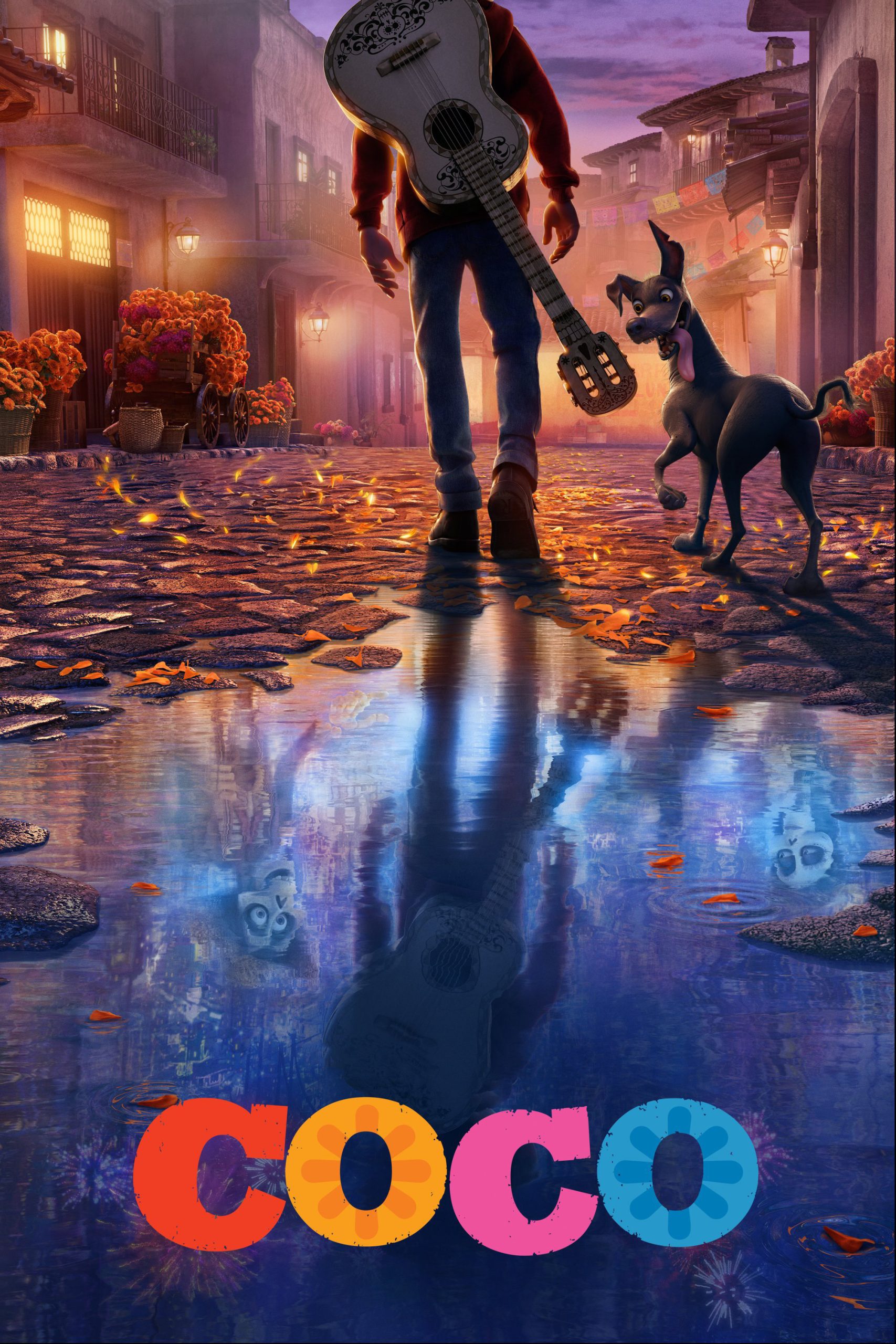
My First Encounter with the Land of the Dead
I remember the first time I watched “Coco” and felt the peculiar ache of nostalgia for a culture that isn’t quite my own. The film didn’t just dazzle me with its color nor charm me with its music—it pierced me with its yearning for remembrance, its fierce regard for familial legacy. While many animated films skate across the surface of loss or identity, “Coco” dives into the marrow of what it means to be remembered and how memory itself can both shackle and liberate the soul. The film asks, quietly but insistently: Who will remember us when we’re gone, and what do we owe to those whose faces hang on our walls?
Beneath the Marigold Veil: The Pulse of Memory
While the story’s framework sits atop the festive foundation of Día de los Muertos, what strikes me most is how “Coco” uses memory as a living currency. Every frame hums with the anxiety and joy of remembrance: family members bring offerings to their ancestors, and the city of the dead is populated only by those who are still recalled by the living. The threat of the ‘final death’—when the last living person forgets you—serves as the film’s most chilling undercurrent, a poetic embodiment of oblivion that is far more permanent than physical death. The artistry of the world-building isn’t mere visual spectacle; it’s a metaphor for cultural continuity, the ways stories keep people alive long after their physical presence has faded. In this sense, “Coco” isn’t just about Miguel’s personal journey—it’s a meditation on the responsibility and power that comes with remembering.
Music as Inheritance and Rebellion
I’ve always thought of music in “Coco” not just as a plot device, but as a living language that negotiates identity. For Miguel, music is both inheritance and rebellion, shackled tightly to a family trauma but also carrying the seed of healing. The push and pull between tradition and self-expression isn’t depicted as a simple clash; it’s a dance, a series of missteps and reconciliations that mirror how families carry wounds and wisdom across generations. “Remember Me,” the film’s signature song, isn’t simply a lullaby or a love song. It is an incantation—a plea to be recalled and loved, yes, but also a reminder that our creative impulses echo those who came before us. The film invites me to see artistry as something less about ego and more about echoing the hopes and regrets of our ancestors.
The Fragility of Legacy
The Land of the Dead’s shimmering bridges and bustling plazas are a seductive visual feast, but I find their fragility more significant. These structures—like the bridges made of marigold petals—exist only as long as someone up above remembers to care. The tenuousness of these connections feels unbearably true; family stories and truths are often lost to pride, shame, or simple neglect. “Coco” doesn’t shy away from the pain that comes when a legacy is distorted (as with Ernesto de la Cruz’s stolen fame) or when a story is buried out of self-protection. The film’s visual metaphors—fading faces, crumbling bridges—are reminders that heritage can dissolve if we don’t actively tend to it. This isn’t nostalgia for its own sake; it’s a demand to bear witness, to rescue even the most painful parts of our shared history.
The Double-Edged Sword of Family Loyalty
What keeps me returning to “Coco” in my mind is the way it refuses to romanticize family. The Rivera clan’s ban on music is not a cartoonish obstacle but the result of real, generational hurt. The film suggests that family traditions, while often beautiful, can also become prisons when they calcify into dogma. Miguel’s journey isn’t about rejecting family but about renegotiating what loyalty truly requires. His defiance is an act of love, not rebellion for its own sake, and the film acknowledges both the pain and necessity of challenging inherited grievances. In doing so, “Coco” articulates a difficult truth—that genuine connection sometimes depends on confronting, rather than avoiding, the ghosts that haunt our family trees.
Color as Emotional Topography
I can’t talk about “Coco” without lingering on its astonishing color palette. This isn’t just Pixar showing off technical prowess; the vibrancy maps the emotional temperature of the story. The living world, painted in sepia tones, feels muted, almost stifled by the absence of music and suppressed memory. Once Miguel crosses into the Land of the Dead, every hue is dialed up, as if the afterlife is more alive than the world he left behind. This inversion serves as a stinging irony, hinting that it’s only through acknowledging the full spectrum of our histories—grief and joy alike—that we can truly come alive. The riot of marigold petals is a promise that remembrance need not be somber; it can be celebratory, a riotous act of affirmation rather than a hushed, mournful ritual.
Subversion of Villainy and Heroism
“Coco” plays with my expectations about who deserves to be revered and who is to be reviled. Ernesto de la Cruz, idolized in life and death, is exposed as a fraud, while Héctor—thought to be a scoundrel—is revealed as a loving father and the film’s true hero. This reversal isn’t merely a plot twist; it’s an interrogation of the myths every family or culture creates to shield itself from painful truths. The film dares me to question which stories are celebrated and which are silenced. By the end, the real villainy isn’t just personal betrayal but the willful forgetting that erases complexity in favor of comforting, simple lies. “Coco” insists on the messy, redemptive truth over the easy, sanitized legend.
The Hungry Silence of Forgetting
There’s a moment that haunts me most—the silence that begins to swallow Héctor as he’s forgotten above. It’s not death that’s terrifying in “Coco,” but erasure—the slow, indifferent march of time that wipes away even the best intentions. The film doesn’t just mourn individual loss; it grieves the communal fading of connection. When Miguel realizes that remembering isn’t enough—and that memory must be shared, spoken, sung—I’m reminded how fragile our webs of meaning really are. Without stories told and retold, even the most vibrant ancestors risk dissolving into nothing.
Resonances: Films That Echo in “Coco’s” Shadow
When I think about “Coco’s” legacy, two classic films come to mind—works that share its preoccupation with memory, identity, and the spectral presence of family. “Fanny and Alexander” (1982) by Ingmar Bergman drapes its family saga in magical realism and spiritual longing, pushing me to confront the ghosts—literal and metaphorical—that shape childhood. Another is “The Spirit of the Beehive” (1973), which crafts a world where the dead linger in memory, and the living are haunted by what they don’t understand. Both films, like “Coco,” pulse with the ache of forgetting and the stubborn hope that love—however fragile—can endure beyond loss.
If you’re curious about how this film was originally perceived or how it compares to similar works of its era, these resources may be helpful.
🎬 Check out today's best-selling movies on Amazon!
View Deals on Amazon