
The First Time I Heard Phyllis’s Heels on the Tiles
There’s a particular chill I still remember from the first time I watched “Double Indemnity”—the click of Phyllis Dietrichson’s heels on the hard tile floor, echoing through the screen and right down my spine. It wasn’t just the anticipation of a crime; it was a promise of moral slippage, a sense that something in the American fabric was about to snag and unravel. When I revisit the film, that echo still unnerves me—not because of the murder plot, but because it’s the warning bell for everything I recognize as rot beneath the surface of ordinary lives.
Insurance as the Language of Deceit
What always pulls me into the twisted spine of “Double Indemnity” is how the film turns something as dull as insurance contracts into the very grammar of evil. The entire world of the film is transacted in paperwork, policy clauses, and actuarial tables, and yet it becomes a stage for seduction, manipulation, and betrayal. When Walter Huff (excuse me, Neff, as he’s renamed here) walks us through the details of a double indemnity clause, we’re not bored—we’re pulled deeper, drawn into a world where legalese itself is weaponized. The humdrum routines of his daily job are not innocent; they are the very means by which deadlier desires find expression. The banality of insurance becomes the mask for a far more dangerous criminality, and I can’t help but feel that this is the film’s most subversive trick: making the machinery of middle-class security the very engine of disaster.
Lust and the American Dream, Side by Shady Side
There’s no escaping the film’s sexual charge, but what haunts me is not the steaminess of Neff and Phyllis’s alliance, but the way their desires curdle into something malign precisely because they’re shaped by capitalist aspiration. Their longing isn’t just for each other; it’s for an easier, sleeker life, bought not with honest labor, but by gaming the system. The murder plot is the logical endpoint of a society obsessed with shortcuts and windfalls, and I sense that both characters see themselves as too clever for the suffocating routines around them. The moral emptiness at the center of their lives is laid bare by the ease with which they dream of cashing in a man’s life insurance, as if it were no different than collecting a paycheck. The American dream, for Wilder, is just one more grift, and desire itself is irreparably tainted by it.
Venetian Blinds and the Architecture of Guilt
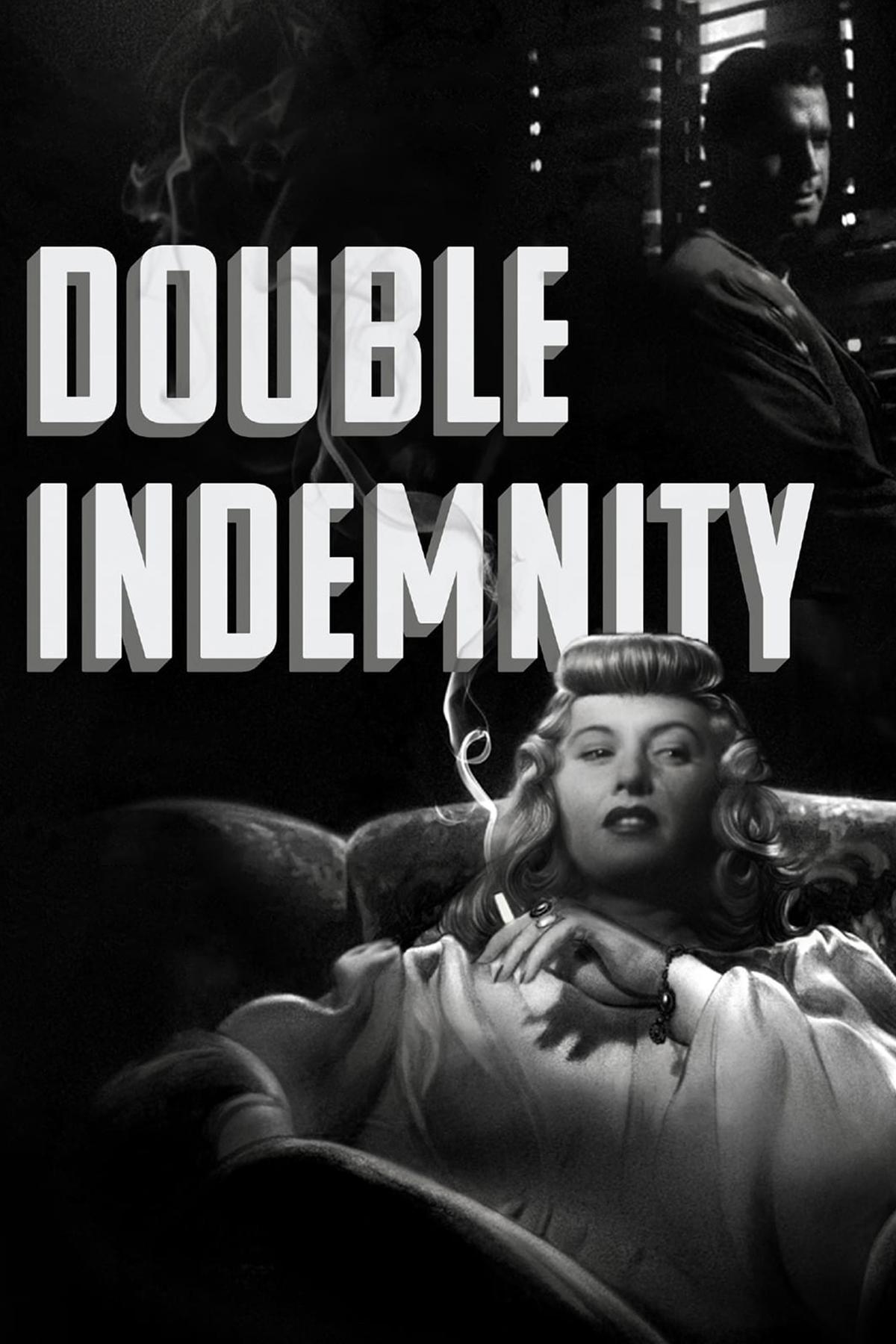
Few films have ever used light as accusingly as “Double Indemnity” does. The slats of shadow cast by venetian blinds become prison bars, slicing across Neff’s face, and by extension, his soul. Every time I see those patterns, I feel reminded that these characters are already locked in—long before they commit their crime. The brilliance is that the film’s spaces—sterile offices, cramped apartments, the bright yet suffocating grocery aisle—are transformed into emotional traps, physicalizing the sense of doom that the characters cannot escape. The outside world, with its relentless California sun, only serves to highlight just how claustrophobic and airless their inner lives have become. Wilder’s shadowplay isn’t just style—it’s the visual language of guilt, as inescapable as the crime itself.
Confession as Compulsion: The Dictaphone as Confessional Booth
The frame story—Walter Neff’s exhausted confession into a cheap office dictaphone—has always struck me as more than just a narrative gimmick. His need to tell the story is as compulsive and self-destructive as the crime itself. In that stuffy office, bleeding out and gasping for breath, Neff doesn’t seek justice or absolution; he simply cannot bear the weight of his secret any longer. The dictaphone becomes a modern confessional booth, and there’s an oddly religious undertone to his final, broken recounting. The act of confessing becomes the only route back to a lost sense of self, making the film less about the crime and more about the unbearable burden of conscience. It’s not only the law that punishes Neff, but his own inability to suffocate his guilt.
The Femme Fatale and Her Mask of Blankness
I’ve encountered many femme fatales in classic noir, but Barbara Stanwyck’s Phyllis remains uniquely unnerving. The brilliance of her performance is not in melodramatic evil, but in her carefully cultivated ordinariness. She wears her wig like armor, but her true shield is a mask of blank, affectless composure. This isn’t a woman who seduces with open flames, but with the quiet absence of warmth itself. Stanwyck’s Phyllis is less a person than a void into which Neff pours all his fantasies and justifications, never noticing that she’s already hollowed out her own soul. In her, I see the ultimate noir truth: sometimes evil is not exuberance or malice, but indifference so profound it becomes fatal.
Trust Shattered: The Friendship at the Story’s Heart
For all its reputation as a murder-and-money noir, what lingers with me most is the relationship between Neff and Keyes. Their bond—part mentor, part surrogate father, part adversary—gives the film its emotional heft and its deepest sense of tragedy. Neff’s betrayal of his own company, and more pointedly, of the man who believes in him, feels almost Shakespearean in its weight. The true moral horror lies not in the violence against Mr. Dietrichson, but in the violation of trust between Neff and Keyes. It’s their final scene, with Neff collapsing and Keyes lighting his cigarette, that brings home the film’s real heartbreak: the destruction of intimacy by greed and deceit. The world of “Double Indemnity” is not one where love is redemptive, but one where friendship, once broken, leaves only regret.
Echoes in the Night: The Lingering Presence of Doom
What keeps “Double Indemnity” vibrating in my mind, years after first viewing, is its relentless sense of fatalism. The film is structured so tightly around inevitability that every scene, every line of dialogue, is weighted with a sense of haunting premonition. From the first flirtation, I never believed these characters had a chance at escape; the machinery had already been set in motion. This is not simply noir as style, but noir as a worldview—the conviction that choices, once made in the shadows, echo endlessly, and that the darkness always wins in the end. The film’s relentless forward motion becomes a metaphor for the impossibility of erasing one’s own moral stains.
Two Kindred Shadows: What to Watch After “Double Indemnity”
Every time I revisit “Double Indemnity,” I find myself drawn toward other films that pulse with the same darkness and ambiguity. If you’re searching for kindred spirits in tone and theme, only a few classics really do justice to this one’s particular brand of doom-laced Americana:
- Out of the Past – The weariness, the inevitability of fate, and a femme fatale who’s as inscrutable as Phyllis herself.
- The Postman Always Rings Twice – Another tale of lust, duplicity, and the poisonous allure of the “easy way out,” set against the American everyday.
If you’re curious about how this film was originally perceived or how it compares to similar works of its era, these resources may be helpful.
🎬 Check out today's best-selling movies on Amazon!
View Deals on Amazon