
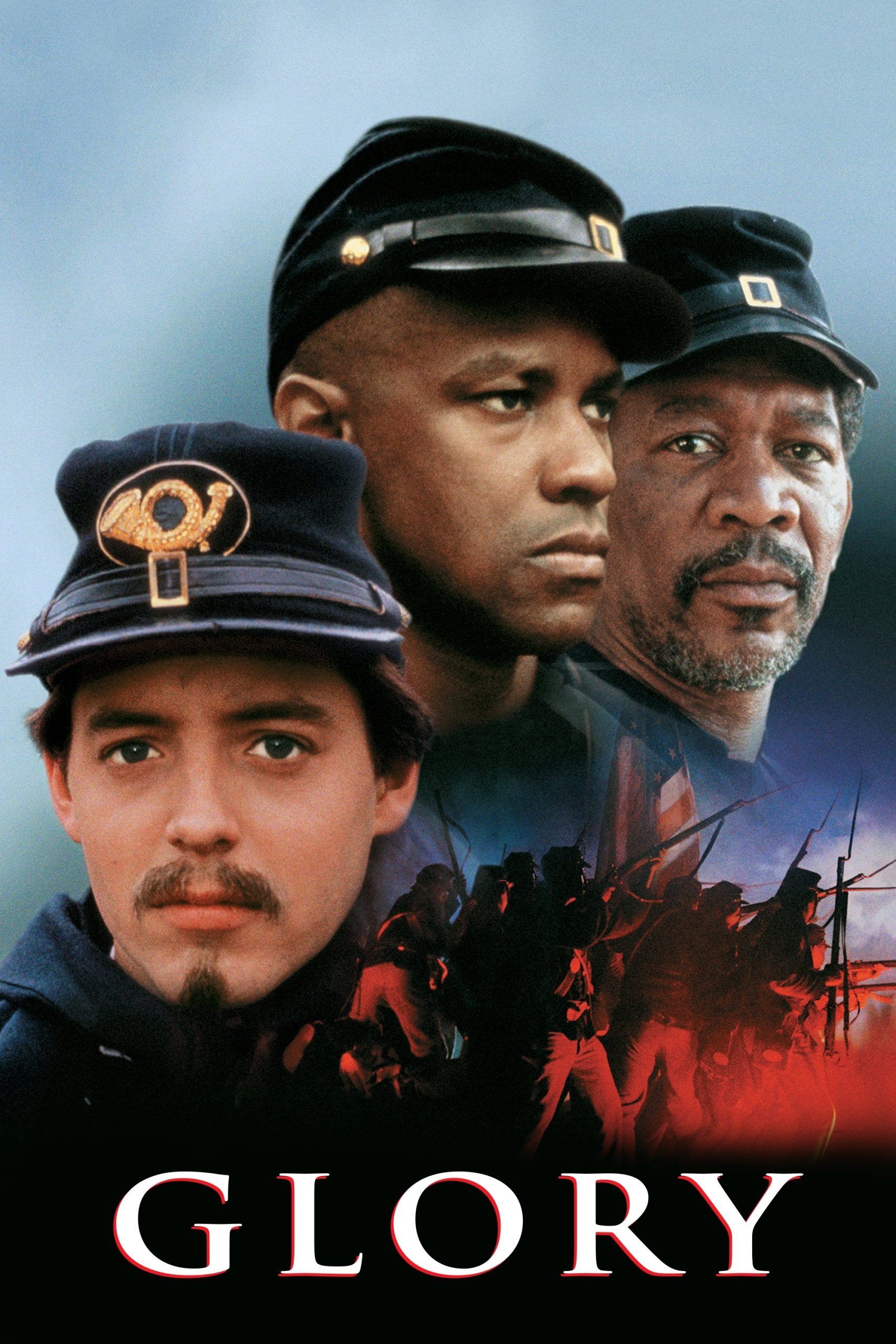
Sometimes, a film comes along that makes me reconsider the very nature of valor and sacrifice. “Glory” (2014) isn’t the kind of movie I expected to be writing about; when I first encountered it, I had no idea that its particular rendering of war, leadership, and the friction between personal ambition and collective need would linger with me so stubbornly. There’s a specific moment that takes me back to watching it for the first time, late at night, when the world outside was quiet and the howl of battle unfolding onscreen felt entirely too close and personal. It’s that sense—of history breathing down my neck and challenging my own sense of definition—that pulls me back to this film again and again.
What the Film Is About
At its core, “Glory” is a meditation on the emotional and existential ruptures created by war. The film recounts the odyssey of ordinary individuals thrust into extraordinary circumstances, wrestling with what it means to stand up for something larger than themselves—and what it costs to do so. Rather than glorifying combat, it draws the audience into an intimate portrait of lives shaped (and often shattered) by relentless violence and the struggle to retain dignity amid chaos.
I see in “Glory” a profound exploration of personal identity colliding with the demands of duty. The central conflict is not only external—one army against another—but internal, as characters confront their own limitations, prejudices, and hopes. The film constantly asks whether heroism itself can ever be more than a fleeting illusion or, worse, a dangerous lie. It’s about people searching for meaning in an environment that seems engineered to strip it away.
Core Themes
The clearest throughline for me is the question of legacy—what we build, what we leave behind, and who remembers our deeds. This isn’t a tale about the winners of history, but about those consigned to its margins, whose voices are easily lost unless forcibly reclaimed. “Glory” delves into how individuals strive for acknowledgment and respect in a system designed to deny them both.
Another resonant theme is leadership under fire. The burden of command and the clash between idealism and harsh reality remain universally relevant, but in 2014’s world of political unrest and renewed conversations about justice, these dilemmas felt particularly acute. Watching characters grapple with their own complicity and responsibility reminded me just how rare true accountability really is, even today. Positioning these personal battles against the backdrop of collective upheaval makes the film’s questions as urgent now as they were then.
Finally, I’m continually struck by the film’s treatment of redemption and forgiveness. This isn’t the easy, sepia-tinted redemption offered in lesser war dramas. Here, striving for grace is a constant, often losing struggle. The effort to forgive—oneself and others—becomes the ultimate test, underscoring just how fragile reconciliation can be when legacies are built on suffering.
Symbolism & Motifs
One of the film’s most persistent motifs is the recurrence of fractured mirrors and shattered glass, threading through moments of conflict as both a literal and symbolic reminder of the characters’ broken self-images and the splintered reality around them. Every time I spot these motifs, they force a self-reflective pause—the characters are fighting not just their external enemies but the distorted images of themselves shaped by war, history, and prejudice.
The recurring use of dawn and dusk lighting also carries immense weight. These transitions—neither day nor night—evoke liminality and uncertainty, reinforcing the sense that every moment lives in the tense space between hope and despair. The film’s visual style traces this oscillation, with muted colors bleeding into washed-out blues and greys, echoing the suspended emotional state of the soldiers. To me, these visual cues add a layer of poetic ambiguity to even the most direct narrative beats.
Finally, I would argue that the film’s use of worn, tattered flags is perhaps its most pointed symbol. The flag, an emblem of unity and nationhood, is here battered and dirty—a paradoxical standard under which not everyone receives equal recognition. The persistence of these weary symbols reminds me that ideals can survive hardship, but only if they adapt to the realities they claim to represent.
Key Scenes
The Muted Homecoming
There’s a standout scene where a character returns home, not to a parade, but to silence and unsure glances. It’s a moment stripped of grandeur, focusing on the uncertainty that follows survival rather than the glory of it. I find this scene crucial because it upends the expectation of triumphant victory—the real battle, it suggests, is re-integrating with a world forever changed by absence and trauma.
Confrontation in the Barracks
In a sequence crackling with tension, the film lays bare the fractious relationships between the ranks. Grievances erupt, not against a common enemy, but within the unit itself. This moment struck me as the emotional linchpin—the place where the cost of prejudice and the struggle to forge solidarity are laid bare. The power dynamic feels immediate and unresolved, highlighting the everyday wars fought off the battlefield.
The Dawn Assault
The climactic action sequence, marked by disorienting handheld camerawork and the persistent, low hum of fear, lingers far longer in my mind than any conventional showdown. What stands out is not just the violence but the sheer vulnerability of those lurching forward into a fog of uncertainty. The camera lingers on trembling hands and fleeting glances, grounding these men not as cliché heroes, but as individuals making the best choices they can in the literal and moral half-light.
Common Interpretations
Critical consensus tends to position “Glory” as an unflinching, somewhat revisionist war narrative, celebrated for its willingness to show the underbelly of military valor. Reviewers highlight its commitment to deconstructing the myth of the “just war,” focusing on the messy, compromised reality of conflict. There’s also a strong thread in criticism lauding the film’s technical bravura—its use of handheld camera and natural lighting to evoke immediacy.
While I respect the widespread appreciation for its realism, I often feel that the popular focus on technical mastery misses something deeper. To me, the film’s greatness isn’t in its brutality or innovative cinematography alone, but in its relentless commitment to exploring how pain and hope coexist, even when the melodrama of heroism is stripped away. Where some see only a sobering corrective to jingoist war tales, I see a broader meditation on the persistence of dignity and the brittle nature of collective memory.
Films with Similar Themes
- Paths of Glory – Like “Glory,” this Stanley Kubrick classic interrogates the moral paradoxes of military authority and individual conscience during wartime.
- The Thin Red Line – Terrence Malick’s film similarly explores the existential toll of war and the search for meaning amid destruction, using an introspective, poetic approach.
- Letters from Iwo Jima – Eastwood’s drama presents war through the eyes of those history often leaves behind, offering a ruminative perspective on pride, loss, and humanity’s shared suffering.
- 12 Years a Slave – While not a conventional war film, its nuanced take on dignity, oppression, and survival draws compelling thematic parallels to the lives and legacies explored in “Glory.”
Conclusion
Modern audiences might approach “Glory” expecting a straightforward war story, but I believe genuine appreciation demands that we sit with its contradictions—the awkward silences, the ambiguous motifs, and especially its refusal to offer easy answers about bravery or progress. Revisiting this film is a challenge, but one worth accepting, because its themes of fractured identity, impossible choices, and hard-won solidarity still define the tragedies and hopes of our own era. Peeling back its historical setting, I see a mirror for every time we’ve asked whether our ideals can survive reality.
Related Reviews
If you found value in my perspective, you might also enjoy exploring my thoughts on other cinematic landmarks such as “Paths of Glory” and “12 Years a Slave.”
To broaden this interpretation, you may also explore how critics and audiences responded over time.
🎬 Check out today's best-selling movies on Amazon!
View Deals on Amazon