
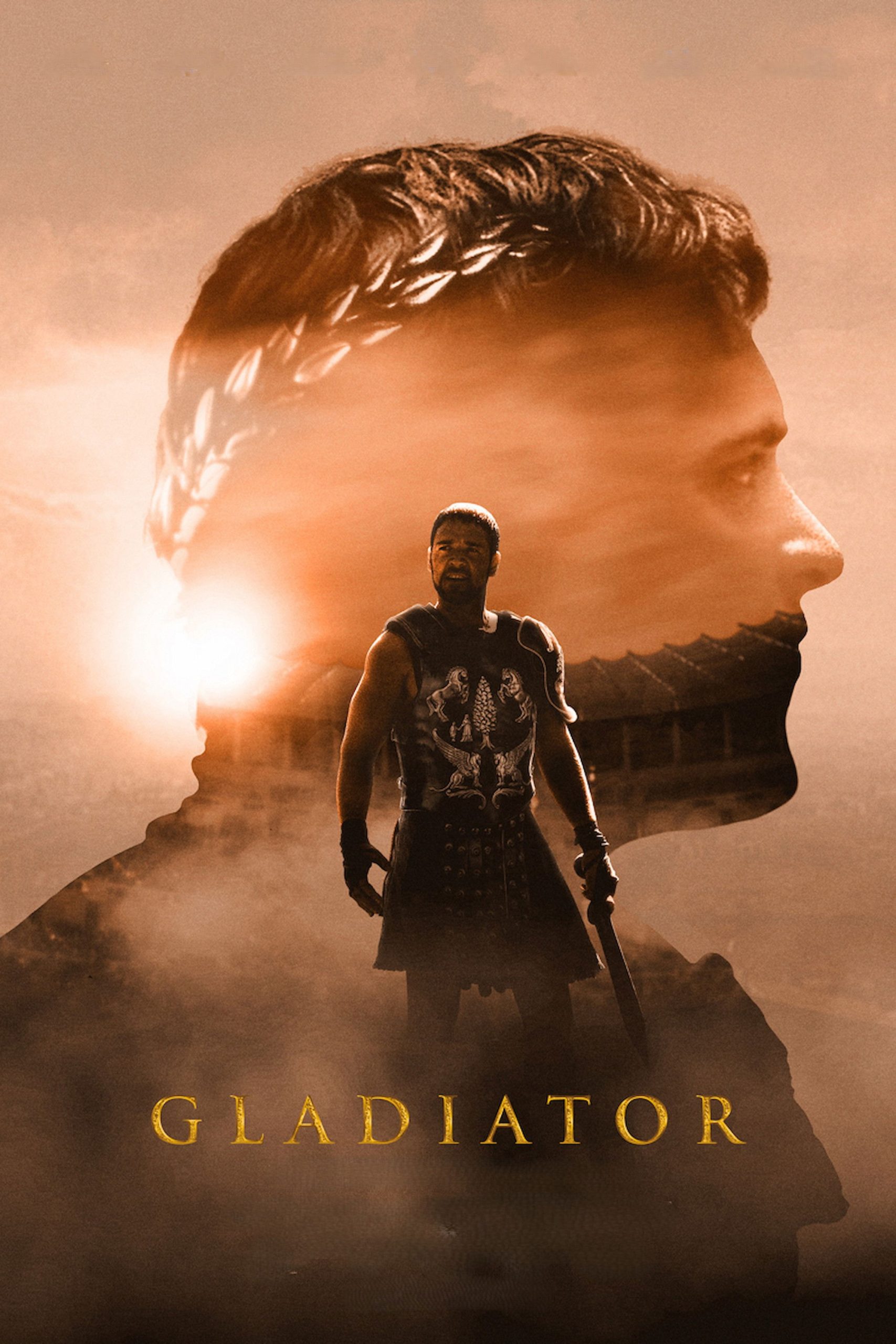
Haunted by Dust and Dreams: The Echoes of Power in Gladiator
That first sweep across the battered Germanic battlefield sent a chill through me, not only for its visceral brutality, but for the quiet, iron determination etched onto the face of Maximus. It wasn’t heroism in the classical sense that drew me in, but something much more raw: the inexorable weight of memory and the ache of lost purpose. As I watched Ridley Scott’s Gladiator, I realized this film is less about blood and spectacle than it is about the mysterious, often-destructive allure of honor and the agony of survival when all meaning seems stripped away.
The Unbearable Loneliness of the Avenger
From the onset, I’m struck by how Maximus’s isolation filters every frame. Yes, he is a revered general, a man beloved by his soldiers and entrusted by a dying emperor. But the quiet exhale he lets out when the battle is done feels weighted with exhaustion—the burden of being defined by others’ dreams rather than his own desires. When tragedy strikes and his family is destroyed, it doesn’t feel like merely a plot device. I see a meditation on the way grief creates a new reality, stripping away the world’s color and binding the survivor to a solitary, bitter mission. The film’s most powerful moments, for me, aren’t the roaring crowds or the clang of steel, but the stillness: Maximus’s longing glances at the vision of his wife and child, always bathed in golden light, unreachable and sacred. Here, the heroic revenge tale becomes something far more poignant—a study in the hollow echo that follows loss, and the terrible discipline it takes to move forward when your soul longs only to look back.
The Arena as a Mirror: Civilization’s Most Violent Daydream
I can’t help but see the Colosseum not only as a site of spectacle, but as a living metaphor for Rome itself—a civilization addicted to performance, where every act of violence is a show for the masses. Ridley Scott shapes the arena into a crucible where power, mortality, and legacy collide. For Maximus, every fight is a negotiation with his own rage and sorrow; for the audience, it’s an opiate, a distraction from the rot at the heart of the empire. What lingers for me is the way the crowd shifts—how quickly love sours to apathy, how easily they are moved by a gesture of mercy, or a phrase. The Colosseum reveals not only the fragility of political power, but the hunger of ordinary people to be swept up in a myth, even if it’s soaked in blood. There’s an uncomfortable resonance here, one that feels all too familiar in any era obsessed with spectacle.
Commodus: The Rot Behind the Marble
Joaquin Phoenix’s Commodus is more than a villain; he’s the dark heart of the story’s moral inquiry. What terrifies me isn’t his capricious cruelty or his narcissism, but his desperate, childlike yearning to be loved and remembered. In Commodus, I see a reflection of Rome itself—a glittering facade, hollow at the core. Every gesture seems designed to prove his worth to a father who could never love him, and a people he cannot inspire. The tragedy of Commodus is his belief that power is a birthright, and love is something owed, rather than earned. By setting him against Maximus, a man who never sought glory for its own sake, Scott frames the conflict not as good versus evil, but as a collision between authenticity and performance, duty and ego. The film asks us if greatness can exist without humility—or if, in seeking to be remembered, we lose the ability to truly live.
Visions of Home: The Agony and Solace of Memory
I find myself haunted by the recurring visions of Maximus’s home—wheat fields whispering in a gentle breeze, sunlight on olive trees, the laughter of a child. These ghostly images are more than mere flashbacks; they are the soul of the story, the resting place of meaning in a world gone mad. In a film so saturated with action, it is these hushed, painterly moments that linger longest for me. Home becomes a symbol of everything lost, but also of everything worth living—and dying—for. Memory, here, is both a prison and a balm. The more Maximus clings to these images, the more he is tormented by what he cannot retrieve. Yet it is precisely this devotion—this refusal to let go of love and goodness—that gives his journey its mythic resonance. If the body is condemned to suffer, it is memory that offers a final, fragile hope of redemption.
The Language of Steel: Violence as Exposure, Not Solution
Though Gladiator is lauded for its epic battles and brutal choreography, I’ve always felt that Scott wields violence not as a celebration, but as an indictment. The violence is never cathartic; it is ugly, often awkward, and leaves no one unscathed. Each death in the arena strips away a veil, exposing the moral bankruptcy of an empire built on conquest. The blood is not glory, but a stain that cannot be washed away. For Maximus, every victory in the sand is a step farther from peace—a cruel irony that gnaws at the film’s heart. The Romans, for all their grandeur, are revealed as deeply anxious, clinging to the illusion that killing can restore lost greatness or offer absolution for failure. By refusing to romanticize the violence, the film implicates the audience, asking us to question our own thirst for spectacle and our willingness to turn away from suffering if it is packaged as entertainment.
Freedom in Chains: The Paradox of Agency
I am continually fascinated by the inversion at the center of Maximus’s journey—the way captivity and slavery paradoxically deliver him to a kind of freedom he never knew as Rome’s favored general. Stripped of rank, family, even his name, Maximus discovers a clarity of purpose that eluded him in power. His refusal to bow to Commodus is an act of defiance, but also a declaration of selfhood. Among the gladiators, he becomes a leader not by command, but by example; his dignity in captivity is a quiet, persistent rebuke to the corruption that destroyed his life. I sense that Scott is quietly pointing toward a larger truth: real freedom has less to do with one’s circumstances than with the willingness to act according to conscience, regardless of what is at stake. Maximus’s resistance is not merely personal, but political—a reclamation of the idea that virtue and honor can survive even when the world seems bent on crushing them.
Legacy Etched in Sand: The Fragility of Memory
What, finally, remains when the dust has settled and the crowds have gone home? The film’s final, plaintive question is not about victory, but about legacy. Maximus, in dying, achieves the peace and reunion he sought—but for the world he leaves behind, the question persists: who will remember, and how? The tiny gestures—the burial of figurines, the whispered “He was a soldier of Rome, honor him”—are the only antidote to oblivion. Scott does not allow easy answers. He suggests that all glory fades, but that fleeting acts of mercy, courage, and love are worth more than any monument. Rome, with its marble arches and endless ambition, is destined to crumble; the true test is whether meaning can be found in the spaces between triumph and tragedy, in the shadows cast by greatness. The final images linger with me, bittersweet and unresolved: a world aching for justice, and an individual’s quiet refusal to surrender to despair.
Kindred Stories of Pride and Ruin
For those who, like me, are drawn to films that wrestle with the cost of honor and the ache of lost worlds, I suggest seeking out Lawrence of Arabia and Spartacus. Both films echo Gladiator’s central obsessions—the tension between personal integrity and public myth, the loneliness of leadership, and the terrible beauty of sacrifice. Each, in its own way, interrogates what it means to be remembered, and whether the price of greatness is ever truly worth paying.
If you’re curious about how this film was originally perceived or how it compares to similar works of its era, these resources may be helpful.
🎬 Check out today's best-selling movies on Amazon!
View Deals on Amazon