
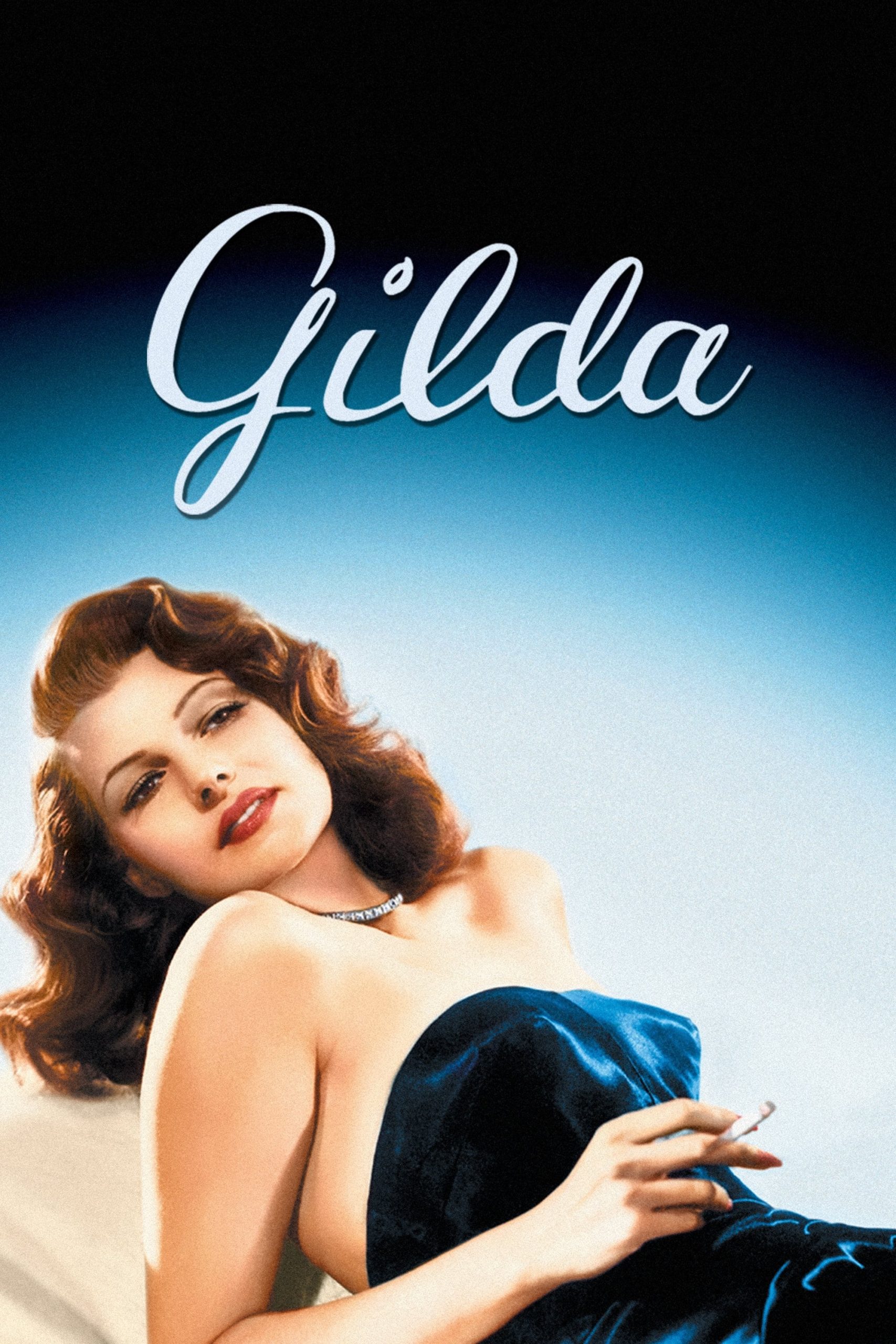
My earliest memory of “Gilda” is indelibly tied to a faintly illicit sense of discovery on a rainy Sunday afternoon. Flickering on a black-and-white screen, I was immediately mesmerized, not just by the notorious glove-removal scene, but by the tension humming beneath every line of dialogue. I didn’t need a film history textbook to sense that this was something more than a glamorous star vehicle; I felt pulled into a spell of contradictions—dangerously alluring yet morally ambiguous, feather-light yet asphyxiating. Every revisit since, I sink deeper into the web Charles Vidor so slyly spins, always finding new layers to the palpable ache and electric conflict at the film’s core.
What the Film Is About
If I distill “Gilda” to a single emotional journey, it’s about the corrosive power of obsession—and the impossible search for real trust once it’s been lost. On the surface, we have a love triangle in an exotic Buenos Aires casino: Johnny (Glenn Ford), a man haunted by his past, Ballin Mundson (George Macready), wealthy and oddly controlling, and Gilda (Rita Hayworth), who ricochets between vulnerability and provocation. But this is really a story about people unable to escape each other’s gravity, locked together in a cycle of suspicion and self-destruction. Watching their complex dance, I’m reminded that love, when soured by possession and resentment, can become its own form of imprisonment.
What fascinates me most is how the film makes the viewer complicit in its emotional anxiety. Every sideways glance, every loaded silence, adds to a simmering sense of unease. The characters don’t voice their real feelings; instead, the tension is masked by bravado, sarcasm, and self-deprecation. At its heart, “Gilda” asks whether people are defined by the stories others tell about them—or whether it’s possible to break free of old narratives and claim an identity on one’s own terms. This conflict, between public performance and private longing, unspools in every frame, leaving me unsettled and oddly exhilarated each time the credits roll.
Core Themes
The destructive loop of desire, revenge, and control dominates “Gilda.” This is not an ordinary noir in which a femme fatale manipulates men; here, both Johnny and Gilda orchestrate and suffer their own undoing. The unresolvable tension between freedom and ownership—between wanting to possess and wanting to be free—remains profoundly resonant for me. Even now, these themes speak to the eternal human struggle: how easily love can tip into possession, and how jealousy poisons what it seeks to protect.
In the postwar moment of 1946, this was more than melodramatic posturing. I see “Gilda” as a film deeply attuned to a society grappling with changes in gender roles, sexuality, and power. Women were returning from wartime labor to domestic spheres, yet the memory of autonomy lingered. Gilda, for all her sexual bravado, is herself both caged and cager—performing for the pleasure (and anxiety) of male audiences on and off the screen. Today, the movie’s fraught handling of identity, performance, and self-ownership still echoes in conversations about the public and private selves we all negotiate.
Symbolism & Motifs
Few noir films deploy visual motif and metaphor as deftly as “Gilda.” The casino, with its spinning roulette wheels and mirrored surfaces, is not just a backdrop—it is the film’s emotional landscape. Here, control is an illusion, luck turns with the spin of a wheel, and nothing is ever quite as it seems. I am always struck by how mirrors, doors, and shadows reflect the characters’ divided selves. Gilda’s entrance is filmed as if she’s walking onto a stage; her every gesture is both an act and a plea for recognition.
The gloves, famously, are more than accessories. When Gilda peels off her glove in her signature musical number, it is not simply an erotic tease—it’s a metaphor for vulnerability, for stripping away armor. Yet, in the act of removing protection, she reasserts a different kind of power: the control that comes from self-exposure, from making oneself both spectacle and agent. Even the sharp lighting—cascading shadows, knife-edged illumination—serves as a visual representation of the characters’ internal war between darkness and revelation.
Key Scenes
The Electrifying Entrance
I’m always arrested by Gilda’s introduction: Johnny is angrily summoned by his employer, and there she is, appearing like an apparition as she flips her hair back in a burst of kinetic sexuality. The camera lingers, letting us drink in her presence as much as Johnny does. This moment isn’t just about Gilda’s beauty; it’s about the shock of the past crashing into the present. The disorienting effect of her reappearance collapses time, upending Johnny’s fragile sense of control. For me, it’s a perfect encapsulation of how people—past loves, old wounds—can reassert their hold with a single glance.
The “Put the Blame on Mame” Performance
The infamous performance is more than a showcase for Rita Hayworth’s smoky magnetism. I see it as Gilda’s most defiant assertion of self: through song and gesture, she both mocks and dictates the terms of her objectification. As she sings, every eye is on her, but her own gaze remains inscrutable. This is not simply seduction; it’s a dangerous revolt—both inviting the male gaze and subverting it with knowing irony. The gloves come off, literally and figuratively, leaving Johnny—and the viewer—exposed and defenseless against her mastery of the stage.
The Private Confrontation
There’s a quieter, rawer scene later in the film where Gilda and Johnny are alone, stripped of bravado and pretense. The dialogue is halting; accusations hang in the smoky air. This is the moment when both characters finally voice the depth of their pain—betrayal, longing, and the impossibility of forgiveness. The film’s emotional intensity crests here because, for the first time, the masks slip and the cost of their toxic attachment becomes heartbreakingly clear. After all the spectacle, the real drama lies in this desperate attempt to bridge the gulf between them.
Common Interpretations
Most critical readings of “Gilda” focus on the femme fatale archetype, casting Rita Hayworth as cinema’s ultimate siren. She is often seen as the object of the male gaze, her sexuality wielded like a weapon to destroy those around her. While I understand this perspective, it feels reductive to me. There’s another, more subversive Gilda at work: not just an agent of chaos, but a survivor forced to adapt within a world built to contain her.
Some critics see the entire film as a coded allegory for postwar anxieties about gender and power, which resonates with me up to a point. But, in my view, “Gilda” is less about external social order and more about private torment: the endless struggle to reconcile who we once were with who we are forced to become. The film has also been read—by contemporaries and modern viewers alike—as a sexual allegory, especially given the palpable homoerotic tension between Johnny and Ballin. While there’s a subtle current there, I’m most moved by how the film depicts the sickness of longing: how people can imprison one another with memory and regret, sometimes more cruelly than with actual chains.
Films with Similar Themes
- Double Indemnity (1944): Like “Gilda,” this film interrogates the dangers of desire, moral ambiguity, and self-destruction through tangled relationships and manipulative allure.
- Notorious (1946): Hitchcock’s classic is another meditation on trust and betrayal, with an equally fascinating female lead who blurs the line between victim and conspirator.
- Laura (1944): Otto Preminger’s moody noir is also obsessed with obsession and identity, as a detective falls for the enigmatic idea of Laura as much as the woman herself.
- The Lady from Shanghai (1947): Another Rita Hayworth outing that explores the thin line between love and vengeance, using mirrors and disorienting imagery much like “Gilda.”
Conclusion
For those coming to “Gilda” for the first or fiftieth time, I believe the film still has the power to unsettle and enthrall. Its seductive veneer hides a far more complex exploration of how desire, control, and the stories we tell ourselves can entrap everyone involved. Modern viewers might approach it as a glamorous period piece, but those who linger will find themselves caught in the same emotional crossfire as the characters. In understanding its knotted themes, I’ve found a deeper appreciation for the intricate games we all play—across eras, across relationships—between what we desire, what we fear, and what we’re willing to expose.
Related Reviews
If you found value in my perspective, you might also enjoy exploring my thoughts on other cinematic landmarks such as “Double Indemnity” and “Notorious”.
To broaden this interpretation, you may also explore how critics and audiences responded over time.
🎬 Check out today's best-selling movies on Amazon!
View Deals on Amazon