
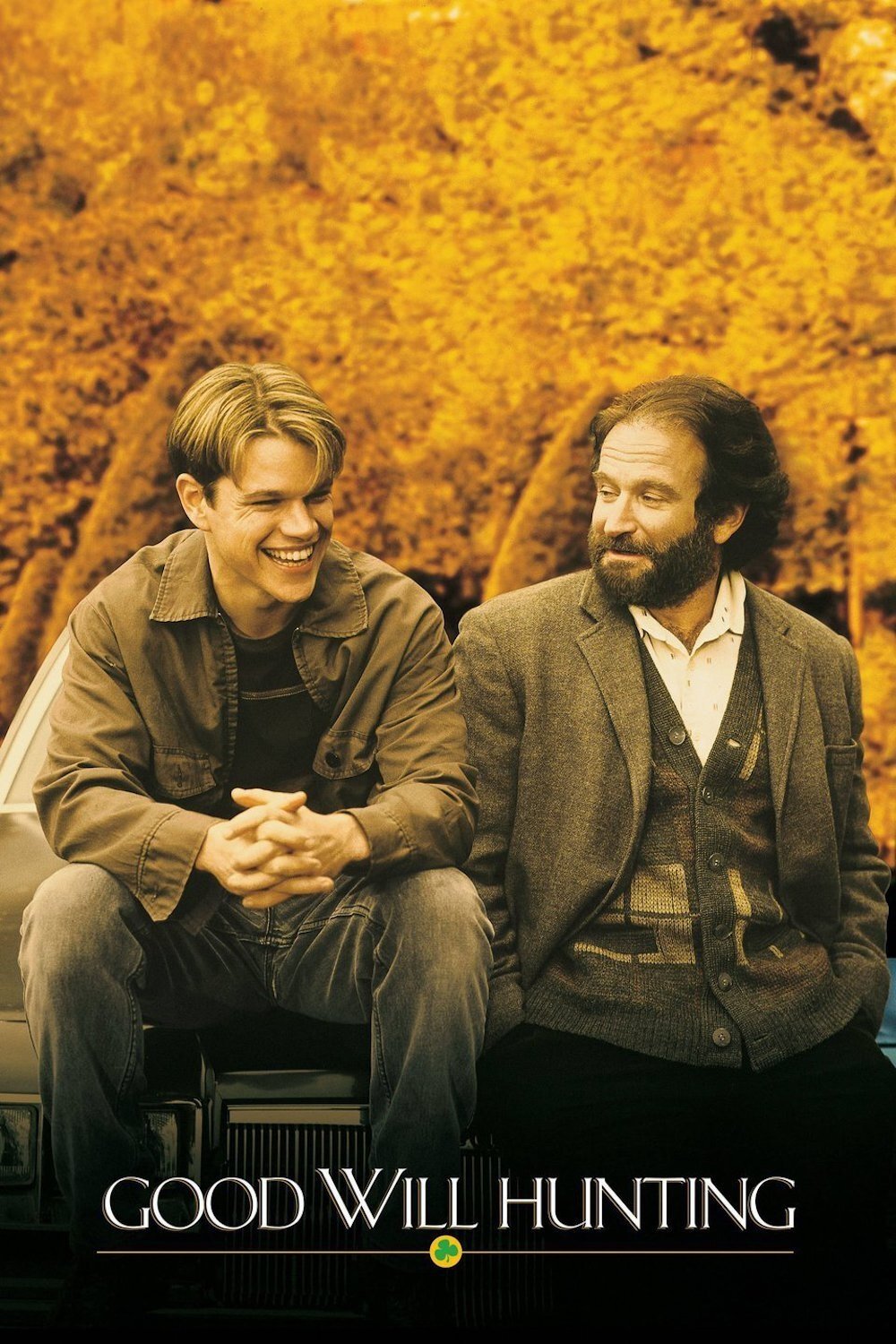
Haunted by Brilliance: The Cost of Genius in “Good Will Hunting”
I remember the first time I watched “Good Will Hunting” and felt the film’s ache radiate through every line and silent pause. It wasn’t just Will’s mathematical prowess that drew me in—it was the palpable sense that genius is often both a gift and a prison. For me, the real power of this film lies in how it confronts the painful paradox of possessing extraordinary potential while being shackled by one’s own scars. “Good Will Hunting” is fundamentally about the battle between the mind’s capacity for greatness and the heart’s yearning for healing.
The Mathematics of Emotional Defense
What has always struck me is how Will’s intellect functions less as a tool for success and more as a sophisticated weapon for self-preservation. Watching him solve problems on the MIT chalkboard is thrilling, but I find those moments almost secondary to the scenes where he weaponizes his intelligence to keep people at bay. Will doesn’t just solve equations—he solves people, deconstructing their intentions before they can get close enough to hurt him. This defensive brilliance is his armor; he hides behind complex numbers and biting wit, terrified of exposing the wounded child beneath. For me, these moments expose the tragic irony at the film’s core: the sharper Will’s mind, the less able he feels to let anyone see his soul.
Therapy as a Battlefield: The War for Vulnerability
Sean Maguire’s sessions with Will don’t unfold like ordinary therapy scenes—instead, they’re battlegrounds where intellect collides with empathy. I’m always struck by how Will tests, mocks, and challenges Sean, as if daring him to walk away like everyone else. Yet the film’s genius is in showing that healing doesn’t emerge from solving problems, but from allowing oneself to be seen and accepted in the midst of brokenness. When Sean quietly insists, “It’s not your fault,” I feel the film’s heart beat loudest—here, the triumph is not analytical but emotional, a surrender to vulnerability that proves far braver than any academic achievement.
Blueprints and Broken Homes: The Weight of Upbringing
The backdrop of blue-collar South Boston isn’t just window dressing for me—it’s the crucible that forges Will’s stubborn pride and mistrust. Every time I watch the film, I see how his background is both a source of strength and a cage. Will’s loyalty to his friends and his fierce independence are inextricably tied to his formative experiences, yet so is his reluctance to believe he deserves more. The film subtly argues that class and trauma are not merely obstacles to overcome, but forces that shape the very architecture of the self. Every relationship, every confrontation with authority, is filtered through the lens of a boy taught not to hope for anything beyond survival.
Trust as a Leap into the Unknown
I’m always moved by how “Good Will Hunting” never presents trust as an easy or inevitable process. Will’s romance with Skylar is riddled with sabotage and retreat, and his friendships hover between loyalty and self-destruction. What I see in these interactions is a film that deeply understands how intimacy is terrifying for those who have been taught that love is fleeting or conditional. Will’s journey isn’t about achieving greatness on paper, but about risking humiliation, heartbreak, and loss in order to forge real connection. For me, the film’s most triumphant moments are not victories over external adversity, but the quiet decisions to let others in, even when every instinct screams “no.”
Mentorship and the Art of Letting Go
Whenever I reflect on the dynamic between Will and his mentors—Gerald Lambeau and Sean Maguire—I see a meditation on the limits of guidance. Lambeau’s obsession with Will’s talent reads to me as both admiration and projection, a desire to live vicariously through a prodigy. Sean, in contrast, doesn’t want to possess Will’s genius; he wants Will to choose his own path. This distinction, I believe, is the soul of the film: true mentorship isn’t about molding a student, but about releasing them to grow, even if it means letting them go. When Sean finally tells Will that he has to “take a chance,” the words don’t just liberate Will—they redefine what it means to care for another person.
The Quiet Revolution: Choosing Your Own Story
What resonates most with me is the film’s refusal to treat destiny as a foregone conclusion. Will may be a prodigy, but he’s not beholden to anyone’s expectations—not Lambeau’s, not Sean’s, not the audience’s. “Good Will Hunting” insists that the most radical act is to choose your own narrative, even when the world insists it knows what’s best for you. Will’s decision to leave behind the safety of Cambridge and the neighborhood comforts of South Boston for the unpredictable promise of love is a revolution. The film’s gentle closing message is that healing is not about transcending your past, but about refusing to let it dictate your future.
Two More Journeys Through Wounded Genius
If you, like me, find yourself haunted by the questions that “Good Will Hunting” raises—about talent, trauma, and redemption—you might discover similar truths in these classics:
- A Beautiful Mind
- Dead Poets Society
If you’re curious about how this film was originally perceived or how it compares to similar works of its era, these resources may be helpful.
🎬 Check out today's best-selling movies on Amazon!
View Deals on Amazon