
The Quiet Rebellion Buried in the Numbers
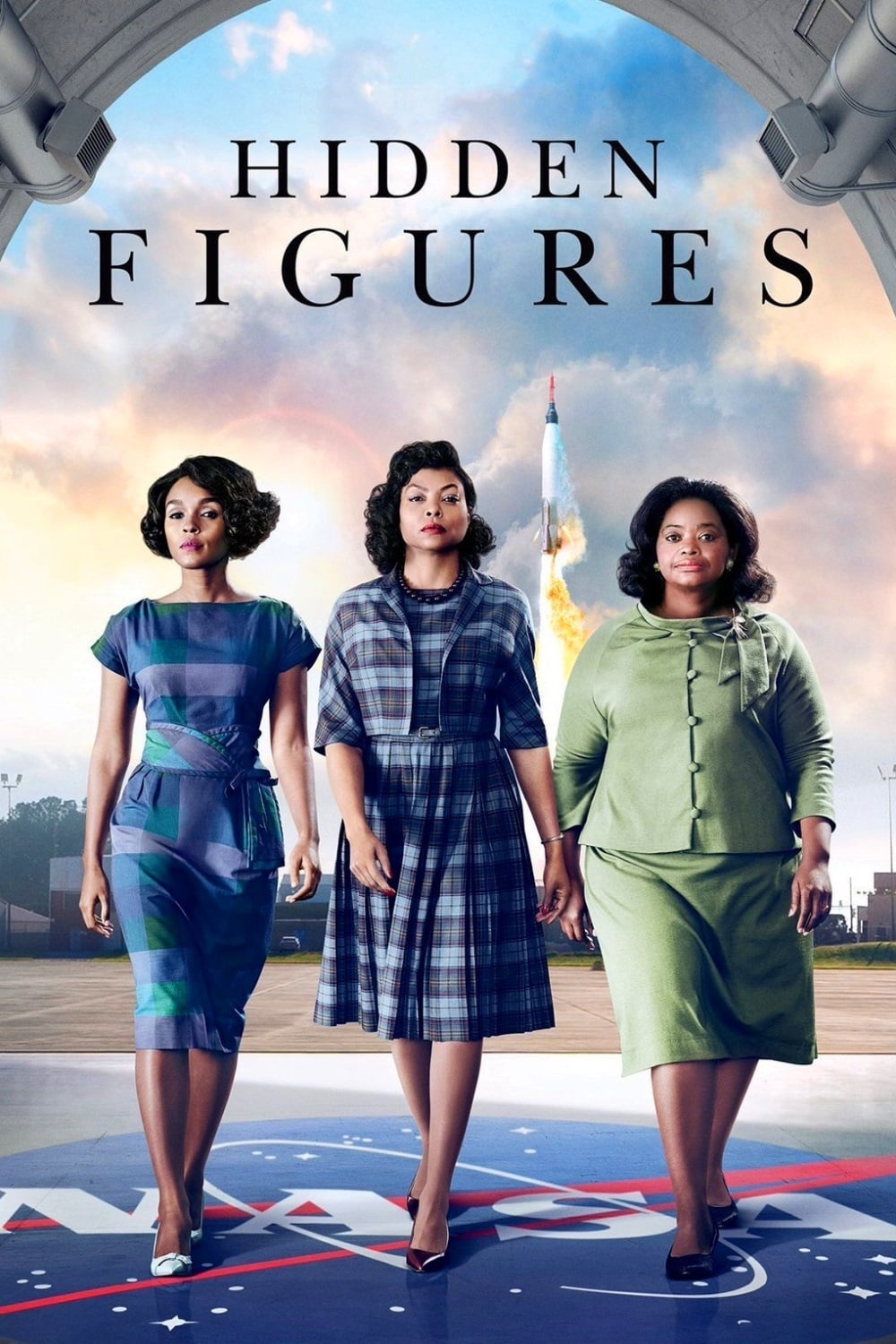
I’d be lying if I said I didn’t feel a jolt of indignation the first time I watched Hidden Figures. Sure, it’s a film about math and NASA and the 1960s, but when I really sat with it, I realized the heart of the movie isn’t just about putting a man in orbit. The real engine driving this film is a quiet, relentless rebellion against all the ways a person can be told that her contributions—her very presence—don’t count. The mathematics is precise, but the emotional stakes are messy, raw, and intimately human.
Restrooms, Red Tape, and Relentless Drive
There is a recurring motif in Hidden Figures that never leaves me—the endless, humiliating walks Katherine Johnson must make to the “colored” bathroom. On paper, it’s a logistical inconvenience. On screen, it’s transformed into a running tally of injustice, an accounting of every wasted minute and every opportunity denied. The bathroom becomes a stage for the quiet perseverance that permeates the movie. Each trip is a silent protest, a demonstration of how obstacles can wear a person down not by dramatic confrontation but by attrition, by repetition, by forcing her to choose between dignity and duty. When Katherine finally explodes in frustration, it’s not just a release for her but for anyone who’s ever endured a thousand small indignities because they dared to reach higher.
The Algebra of Recognition
Recognition—who gets it, who defines it, and who gets left out—feels like the rawest nerve in this film. I see it mirrored in the way Dorothy Vaughan learns Fortran, not just for herself, but to pull her whole team forward. She recognizes the shifting sands under her feet and insists on claiming space for herself and her sisters in arms. The film is razor-sharp when it asks if institutional progress is truly progress if it comes only when individuals claw their way into visibility. NASA’s struggle with its own inertia becomes a metaphor for the world outside: institutions are slow, people are stubborn, and breaking barriers is rarely clean or complete.
Chalk Dust and the Invisible Handprints
There’s a physical, almost tactile quality to how these women leave their mark. The chalk squeaks over the blackboard, the IBM machine clacks and whirs. But it’s the moments that go unacknowledged—the calculations handed over without credit, the ideas that reshape missions without anyone knowing the source—that haunt me. History is drawn in broad strokes, but the work that supports it is granular, invisible, and so often erased. The film, by lingering on the details—the hands, the typewriters, the filled notebooks—dares me to reconsider whose contributions I take for granted in the stories I tell and retell.
The Space Race as a Mirror, Not a Stage
I used to think of space as the ultimate escape. The final frontier, as the saying goes. But in Hidden Figures, the space race is less a stage for American heroism and more of a mirror reflecting the tensions and contradictions on the ground. The ambition to leave Earth’s atmosphere runs right alongside the refusal to grant dignity and equality to those with the genius to make it possible. Every launch calculation holds within it a hundred untold stories about whose labor makes progress possible. The film insists: you cannot lift a nation without first reckoning with the gravity that holds you down.
Friendship Forged in the Furnace
What lingers with me most over repeat viewings is the solidarity among Katherine, Dorothy, and Mary. Their friendship is not just support—it’s resistance. In a world defined by scarcity, where recognition is portioned out with a teaspoon, their refusal to compete against each other becomes a radical act. The scene where Dorothy stands up for the other women at NASA’s computer room isn’t about personal advancement; it’s about ensuring no one is left behind. That sense of collective destiny—of refusing to be the “exception”—quietly undercuts the myth of the lone genius so often celebrated in American narratives.
The Cost of Being Exceptional
There’s something bittersweet about the film’s celebration of exceptional talent. I can’t escape the knowledge that, for Katherine and her friends, brilliance is the only ticket out of marginalization. The film suggests, sometimes with a wince, that Black excellence is demanded as a condition for even the smallest measure of dignity. The everyday, the average, is never enough. So while there’s deep satisfaction in watching the protagonists triumph, there’s also a lingering ache—the costs are enormous, and the victories are so hard won. The need to be twice as good to be considered half as worthy is a refrain that still echoes today.
Folding Time: Past Informs Present
I carry the weight of Hidden Figures outside the cinema. It’s impossible not to. The film’s temporal setting—on the cusp of both the space age and the civil rights era—invites comparison with our own. Its story is not just history; it’s a living challenge to the narratives we build around merit, representation, and who “gets to” belong. The film’s resistance to pat endings is honest: progress is nonlinear, and the forces of exclusion adapt as quickly as its opponents. By grounding its drama in the private lives of public pioneers, the film blurs the line between the personal and the political in ways that feel uncomfortably current.
Two Echoes from Classic Cinema
If the themes of Hidden Figures resonate, I often find myself returning to two touchstones in classic film. “A Raisin in the Sun” is one—the same sense of dignity in the face of relentless obstacles, the private dreams woven into public struggle. And “Desk Set”, though lighter in tone, still shimmers with the anxieties of automation, gendered spaces, and the unsung expertise of women. Both films, like Hidden Figures, ask who gets to matter, and at what cost.
If you’re curious about how this film was originally perceived or how it compares to similar works of its era, these resources may be helpful.
🎬 Check out today's best-selling movies on Amazon!
View Deals on Amazon