
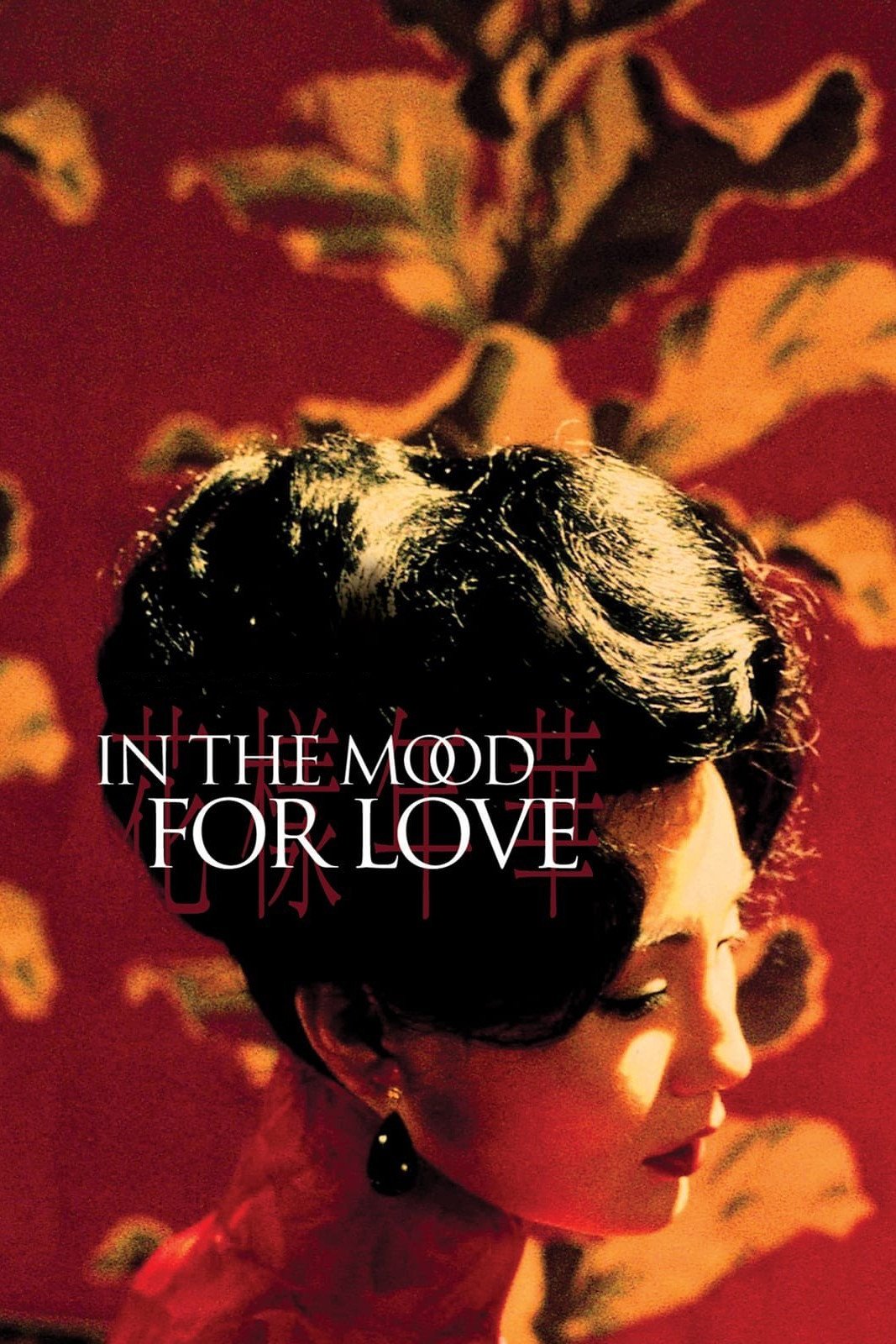
I first encountered “In the Mood for Love” in the haze of a long, rainy evening—a time when nostalgia seems to thicken the air and colors take on a deeper hue. Even now, I remember pausing midway through the film, momentarily lost in the strange quietness that Wong Kar Wai’s camera sketches around his characters. What strikes me, each time I revisit it, is not just the profound loneliness at its core, but how achingly beautiful that solitude can feel. This film still lingers with me, long after the credits have rolled, haunting the corners of my memory with its tender restraint and unresolved yearning.
What the Film Is About
On the surface, “In the Mood for Love” revolves around two neighbors in 1960s Hong Kong—Mr. Chow and Mrs. Chan—whose spouses have been unfaithful. Rather than succumbing to melodrama or explicit confrontation, the film draws its emotional power from what is left unsaid, the stolen glances and hesitant, ritualized encounters between these wounded souls. They form a delicate bond, caught between desire and loyalty, seeking solace in each other without crossing the boundaries that their own moral codes enforce.
The film’s central conflict is not an external opposition, but the deep, swirling internal struggle between longing and restraint. Each character is pushed by both the aching pull of the other’s presence and the fear of becoming what they most despise—their absent partners. For me, “In the Mood for Love” is a meditation on missed possibilities and the quiet devastation of lives derailed by circumstance. Wong Kar Wai masterfully invites us to dwell in this liminal space—the “what might have been”—capturing the emotional turbulence beneath the surface of everyday decorum. Through this lens, the film becomes about the moment just before desire tips into action, and all that is lost in the hesitation.
Core Themes
What has always drawn me most to this film is its unflinching exploration of longing, fidelity, isolation, and the boundaries we draw for ourselves. In our fast-moving world, the quiet ache that suffuses this film feels almost radical. The protagonists’ refusal to reciprocate the betrayals visited upon them is a form of both resistance and self-denial, a decision as painful as it is noble.
When “In the Mood for Love” was released in 2000, its meditation on memory and regret felt like a subtle rebuke to the turn-of-the-millennium optimism. In the suffocating corridors and cramped apartments of 1960s Hong Kong, it exposed the fragility of human connection amid rapid social change. Today, I find its themes even more resonant: we still struggle to express our innermost desires, often hiding behind ritual, habit, or fear of hurting others. The film reminds me that emotional integrity comes with a cost, and that sometimes, the greatest connections are those never fully realized.
Symbolism & Motifs
Wong Kar Wai’s cinema is soaked in visual poetry, and nowhere is that more evident than here. Rain, narrow hallways, steaming bowls of noodles carried past doorways night after night—these are more than set dressing; they are rituals that mark time and space, deepening the sense of entrapment. The rain, in particular, serves as a permeable barrier: it keeps the world at bay while suggesting emotional turbulence within.
Clocks and mirrors recur throughout the film, signaling both the passage of time and the constant self-reflection that traps the protagonists in cycles of regret and anticipation. Cheongsams, the distinctive patterned silk dresses worn by Mrs. Chan, function as both armor and seduction: their elegance masks vulnerability, while their ever-shifting designs mark the passage of days and evolving emotions.
The use of doors and thresholds is perhaps my favorite motif: conversations happen in the liminal spaces—doorways, hallways, stairwells—never fully inside or out. This architectural ambiguity mirrors the psychological ambiguity at the heart of the film. Every choice feels suspended, every gesture tentative; these motifs amplify the unresolved tension that defines the characters’ world.
Key Scenes
The Restaurant Rehearsal
The heart of the film beats in the scene where Mr. Chow and Mrs. Chan meet in a cramped, dimly-lit noodle shop to “rehearse” confronting their unfaithful spouses. The subtlety with which pain, hope, and self-delusion are layered here is astonishing. They skirt around the real issue, holding on to a semblance of detachment, but the weight of their shared anguish is palpable. This rehearsal neatly encapsulates the film’s fascination with the performance of daily life, and how emotional truth struggles to surface through scripted lines.
A Corridor Awash with Unspoken Emotion
Another moment that I find utterly devastating is the recurring passage through the narrow corridor, as the protagonists move past each other with aching formality. This spatial choreography communicates what dialogue cannot: the friction of proximity, the awareness that every brief encounter could be the last or, heartbreakingly, all they ever have. The tension in these scenes is so carefully sustained that I feel almost complicit in their reserve, willing them to act but understanding why they do not.
The Temple of Whispered Secrets
And finally, the scene in Angkor Wat, as Mr. Chow whispers his secret into a stone wall’s hollow and seals it with mud, is for me the most poetic expression of the entire film. This gesture—both ritual and confession—transforms private longing into myth. It’s a physical release that can never fully erase the pain of unspoken truths, but it does, briefly, offer a sense of solace and acceptance. That the film chooses to end not with closure, but ritual, speaks to its deep commitment to ambiguity and emotional truth.
Common Interpretations
Many critics have read “In the Mood for Love” as a tale of aesthetics over substance, a love story elevated by its visual style and languid pacing. There’s considerable focus on the film’s lush cinematography, which indeed plays a crucial role in conjuring its atmosphere. More psychological readings look at it through the lens of nostalgia, suggesting the film is primarily about the impossibility of recapturing lost time or lost passion.
While I appreciate these perspectives, I resist the idea that “In the Mood for Love” is merely an exercise in style or a resigned ode to nostalgia. What I read, instead, is a profound exploration of dignity in restraint, of the costs of emotional self-policing, and the extraordinary complexity of human relationships. Far from being only wistful or visually indulgent, I find the film bracingly honest about the ways we construct meaning out of longing, and about the value of self-imposed boundaries—even when they leave us aching for more.
Films with Similar Themes
- Brief Encounter (1945) – Like Wong’s film, this classic deals with the morality of unsanctioned love and the unspoken anguish of self-denial.
- Lost in Translation (2003) – Both films explore fleeting connection and unexpressed desire set against the backdrop of cultural displacement.
- Hiroshima Mon Amour (1959) – This film’s fragmented memory and emotional distance echoes the elusiveness and regret that suffuse “In the Mood for Love.”
- Carol (2015) – The delicate secrecy, social constraints, and haunting yearning in “Carol” strongly parallel the emotional tension of Wong Kar Wai’s film.
Conclusion
I believe “In the Mood for Love” remains vital viewing because it refuses easy catharsis or closure—it honors the dignity of longing and the reality of lives lived between choices. Modern viewers can approach the film as both a window into the past and a universal meditation on emotional integrity. Its elliptical storytelling and aesthetic subtlety may challenge some, but embracing its ambiguity yields rich rewards. Ultimately, what matters most to me is how Wong Kar Wai’s film deepens our understanding of the beauty and sorrow that shape every silent compromise.
Related Reviews
If you found value in my perspective, you might also enjoy exploring my thoughts on other cinematic landmarks such as Brief Encounter and Hiroshima Mon Amour.
To broaden this interpretation, you may also explore how critics and audiences responded over time.
🎬 Check out today's best-selling movies on Amazon!
View Deals on Amazon