
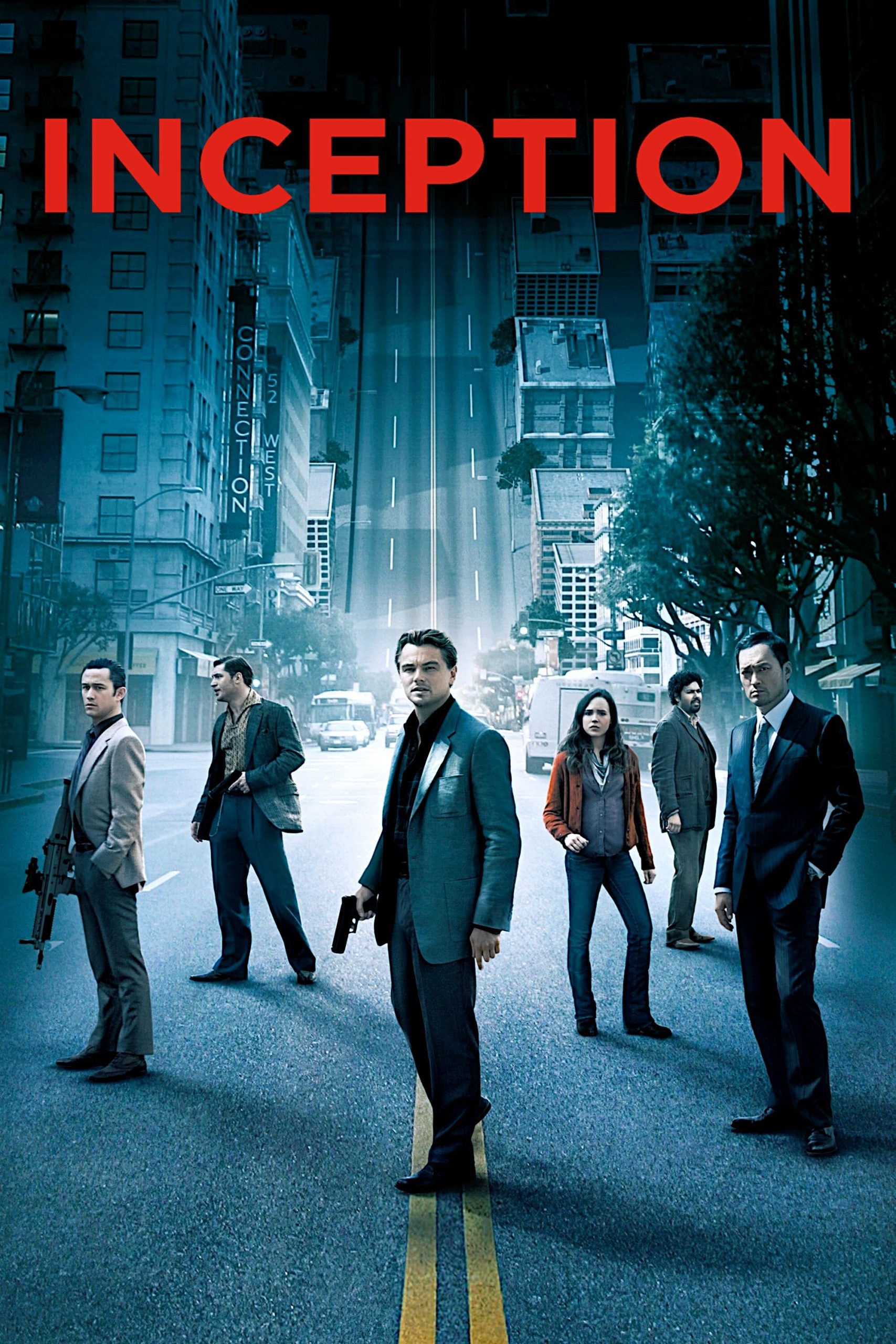
Dreams as the Only Remaining Safe Place
There’s a reason I still get chills when Dom Cobb’s spinning top first appears. The first time I watched Inception, I felt as if the film was quietly suggesting that reality itself had become too fragile, too easily invaded by memory, guilt, or regret to be trusted entirely. For me, Nolan isn’t simply constructing a convoluted heist film; he’s meditating on the spaces inside us that we hope are impenetrable, only to discover they are as vulnerable as a dream. The movie’s core is not about stealing secrets, but about the lengths we go to in order to create emotional safe havens—and how even our deepest sanctuaries can betray us.
The Endless Descent into Memory’s Architecture
I find myself haunted by the film’s vision of memory as a literal place—corridors and elevators filled with carefully sequestered moments. Nolan’s layering of dreams inside dreams is far more than a narrative trick. Each layer of the dream world exposes how memories are constructed, edited, and sometimes weaponized by our own subconscious. Cobb’s elevator of memories is less about plot mechanics than about emotional architecture: every floor is a choice made or unmade, a wound barely cauterized. The fact that Cobb’s subconscious is capable of sabotaging entire missions shows how, when left unchecked, guilt and longing can shape—if not warp—our lived experiences.
The Currency of Belief and the Fragility of “Real”
What stuck with me long after the credits rolled wasn’t the action, but the film’s relentless questioning of what constitutes a real experience. The totem—the iconic spinning top—emerges as a symbol of belief more than reality. Nolan dares to ask: Is reality something external, or is it simply what we believe in most intensely? The possibility that Cobb’s entire journey could be a dream isn’t a trick ending; it’s the film’s most honest admission. We see that those who chase certainty often end up more lost than those who embrace ambiguity. By suggesting that Cobb might choose the comfort of a dream over the pain of reality, the film forces me to confront how desperately we wish for happy endings, even if we must invent them.
Guilt as the Enemy Within
Mal’s intrusive presence in Cobb’s dreams is less about external threat than internal collapse. She’s the personification of guilt, fierce and unyielding, sabotaging every effort at progress. The film suggests that the psyche’s greatest obstacles are not external adversaries, but unresolved emotions from our past that intrude upon our present with devastating effect. I always read Mal’s haunting as a warning: what we refuse to process in the waking world will bleed into every layer of our consciousness. In this sense, Inception is a tragedy masked as a thriller, a story where the antagonist is a memory that refuses to fade.
Shared Spaces: How We Shape Each Other’s Dreams
I’m captivated by the recurring motif of shared dreaming. In Nolan’s vision, intimacy is not only physical or emotional, but deeply psychological—literally inhabiting another’s subconscious. The film’s elaborate heists are really explorations of vulnerability: sharing a dream is the ultimate act of trust, but also the ultimate risk. By building worlds together, the dreamers leave aspects of themselves imprinted on the environment, hinting that even the most private places within us are shaped by others. The movie quietly asks: if our dreams are collaborative, where do “we” end and “they” begin?
Heist as Catharsis, Not Crime
There’s a sly reversal inside Inception’s ostensible crime plot. The team isn’t out to steal information, but to plant an idea—“inception.” What strikes me as so compelling is that the heart of the film is not conquest, but healing. The true heist is performed inside Robert Fischer’s mind, but the emotional payload is Cobb’s: an operation to let go of the past by confronting its seductive allure. The film’s greatest sleight of hand is selling us a caper, then quietly shifting the focus to grief and acceptance. When Cobb finally relives his last moments with Mal, it isn’t just narrative closure but psychological catharsis, a process that’s less about victory than release.
Architects of Our Own Labyrinths
Ariadne’s role fascinates me—not just as a character, but as a metaphor. Named after the mythic guide through the labyrinth, she serves as both architect and confidante, challenging Cobb to face the minotaur lurking at the heart of his mind. The notion that we are all architects of our own psychological mazes runs through every frame of the film. Ariadne’s buildings, paradoxical and impossible, echo the way we construct rationalizations, barriers, and distractions to keep our deepest truths hidden. But she also insists on breaking down those walls, suggesting that escape is only possible when we confront the monsters we’ve hidden at our center.
To Wake or to Dream: The Freedom of Uncertainty
Every time I revisit Inception, I find myself fixating on the film’s ending—not because I desperately want an answer about the spinning top, but because Nolan refuses to grant us the comfort of certainty. This deliberate ambiguity is the film’s most radical act: it leaves us suspended between reality and dream, showing that meaning can exist precisely in what we cannot know for sure. I see the ending not as a puzzle to be solved, but as an invitation to accept that some questions—about loss, love, and truth—are never fully resolvable. We are all, in our own ways, dreamers standing on the threshold, trying to decide whether to wake or stay asleep just a little longer.
If This Resonated: Two Kindred Journeys
If you’re as haunted by the blurred lines between reality and imagination as I am, I’d recommend you explore Vertigo (1958) and Solaris (1972). Each of these films delves into obsession and the unreliability of perception, offering their own labyrinths of the mind and heart.
If you’re curious about how this film was originally perceived or how it compares to similar works of its era, these resources may be helpful.
🎬 Check out today's best-selling movies on Amazon!
View Deals on Amazon