
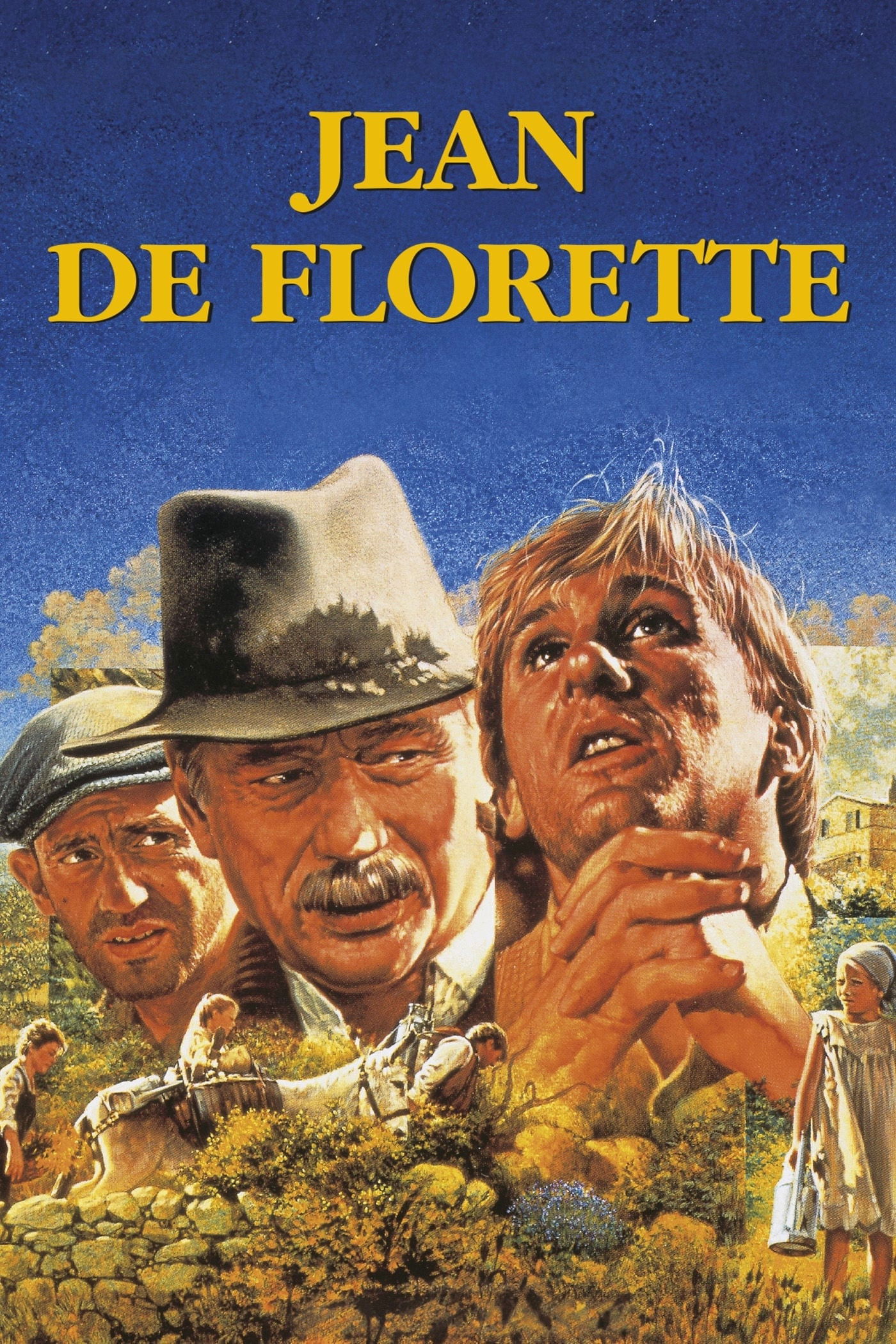
The Weight of Inheritance: What We Carry and What We Covet
I still remember the first time I saw “Jean de Florette”, feeling the sunbaked soil pressing through the screen, the almost tangible thirst of the land and the people who worship or curse it. This isn’t just a rural tragedy; this is a meditation on the legacies we inherit, the dreams we chase, and the silent war between hope and cunning. I found myself asking not only what land means to its keepers, but how the threads of envy, tradition, and desire tangle to bind or strangle those who reach for something more.
The film’s opening is deceptive in its calm. Underneath the provincial greetings and rustic beauty, I sensed an anxious pulse—a hunger for possession, not just of land, but of fate itself. The film’s masterstroke is how it transforms the landscape into both a character and a crucible, shaping destinies with its parched silence. The villagers’ obsession with property isn’t just about farming; it’s about the fear of becoming insignificant, about clinging to something tangible as the world tugs away certainty.
The Unfolding of Cruelty in Sunlight
What struck me most about “Jean de Florette” was the way cruelty unfurls in the open, never hidden beneath outright villainy but disguised as pragmatism, as quiet self-preservation. I watched César Soubeyran (“Le Papet”) and his nephew Ugolin as they plotted not in darkness but surrounded by the relentless Mediterranean light. Their moral decay doesn’t wear a mask; it feels ordinary, inevitable, almost seductively justifiable.
To me, the greatest horror wasn’t in the act itself—shutting off the spring that Jean’s future depends on—but in the slow, patient manner with which it is done. The film lingers in the long stretches of waiting, the silent calculation, the burden of conscience weighed against the promise of inheritance. This patience is its own kind of violence: a violence of omission, of letting suffering grow visible without intervention. I found myself questioning what I would do, confronted with a neighbor’s dream and my own advantage. The answer is never comfortable.
The Outsider’s Hope and the Myth of Merit
Jean de Florette, with his urban idealism and bookish optimism, enters the village as a figure of hope and, perhaps unwittingly, as a threat. I watched his energy and unflagging belief in planning, calculation, and luck; his faith that justice and effort will yield reward. It’s impossible not to root for him, and yet, I felt a gnawing anxiety as his confidence collides with the reality of the land and the duplicity of those around him.
The film exposes the limits of the meritocratic fantasy: Jean is clever, determined, and full of heart, but the universe he enters runs on older rules—ones written by blood, soil, and the quiet conspiracy of the locals. I kept thinking about how communities sometimes see change not as a promise, but as a threat. In his struggle, I saw not just a personal tragedy, but a quiet indictment of the notion that fairness always prevails. The land, like the villagers, is indifferent to justice.
Water as Power, Water as Life
There’s a scene where Jean digs and dynamites and coaxes, seeking the water he’s certain lies beneath. It’s painfully ironic: while Jean looks for sustenance, the villagers ration it with a godlike control, turning water into a currency of dominance and exclusion. I kept returning to the film’s use of water as more than a literal element—it becomes a metaphor for hope, for survival, for the invisible lines that separate insiders from outsiders.
The spring, hidden and denied, reminded me how so many resources in life are kept just out of reach for those who don’t “belong”. The water is life, but it’s also power—a commodity that the few can weaponize against the many, or the unwelcome. In its absence, we see the slow suffocation of promise, the erosion of a family’s future. The cruelty isn’t just in denying water; it’s in watching someone trust the land, only to be quietly betrayed by it—and by those who hold its secrets.
Inheritance of Guilt and the Long Shadows of Action
One of the film’s most devastating aspects is how choices—both petty and monumental—cast shadows that linger across generations. Le Papet and Ugolin are not cartoon villains; their longing is palpable, their rationalizations painfully human. But as their scheme unfolds, I saw how the cost of acquisition is rarely measured in coin alone. There is a debt that accrues from harm done, a spiritual erosion that no land or prosperity can ever truly erase.
What haunts me about “Jean de Florette” is not just Jean’s tragedy, but the subtle foreshadowing that what the Soubeyrans win will one day corrode their own happiness. The film hints at a cycle: the quest for inheritance breeds secrets, then guilt, then the bitter taste of victory. In clinging so tightly to the old ways, the characters damn themselves to a future haunted by what they have stolen—not just from Jean, but from their own better natures.
Beauty as Burden: Nature’s Deceptive Promise
The Provençal setting is almost oppressively beautiful. I was constantly aware of how the film uses these sweeping hills, golden fields, and lush vistas as a double-edged sword. The beauty of the land is both a promise and a curse, luring characters with hope while secretly demanding an unpayable toll. Every shot aches with longing—for prosperity, love, acceptance—but masked within that is the land’s silent indifference to human effort and suffering.
The camera lingers on the landscape as a lure, but also as a silent witness to the unfolding tragedy. The natural world, as I experienced it through the film, is never simply passive backdrop. Nature here is an enigmatic judge, offering bounty or withholding it, blind to notions of justice or right. It’s this tension—the allure of beauty and the cost of seizing it—that gives the film its emotional ache and ironic bite.
The Language of Silence: What Remains Unspoken
Some of the film’s sharpest moments are those where nothing is said at all. The villagers’ glances, Marion’s quiet suffering, the unspoken solidarity of those who know but do nothing—these silences are as loaded as any declaration. Silence in “Jean de Florette” is never empty; it’s a language of complicity, of helplessness, of the boundaries drawn by fear or tradition.
- Silence sustains the lie about the spring.
- Silence isolates Jean, feeding his hope even as it dooms him.
- Silence binds the conspirators together, as tightly as any family.
For me, the most poignant tragedy is not what is said, but what is withheld. In withholding truth, the villagers preserve their own world, but only by condemning another. This is a silence that wounds, an omission that shapes destinies.
The Film’s True Question: Who Do We Become When We Want Too Much?
As I reflect on “Jean de Florette”, I keep circling back to a deeper question that the film poses through its careful unraveling: what are we willing to sacrifice, or become, when desire outpaces our sense of right? The film’s genius is not just in showing the mechanics of rural greed, but in making that greed understandable, even sympathetic at times. I saw in Ugolin’s yearning and Le Papet’s shrewdness the universal temptation to grasp for more—sometimes at the expense of our own souls.
There’s a sense of fatalism to the film, but also a warning. Every act of small or large betrayal carries a cost, and those who profit most from silence or collusion are often left empty, even in the fullness of victory. The tragedy of Jean is mirrored by the quiet, corrosive tragedy of those who take from him. The film’s real message, I think, is that there are no true winners in such a contest—only varying shades of loss.
For Those Drawn to Tragedy and Landscape: Two Essential Companions
Watching “Jean de Florette”, I longed for other films that evoke this same blend of natural beauty, human frailty, and the aching consequences of desire. If the film left you shaken, I’d recommend seeking out:
- The Grapes of Wrath – for its portrayal of people at odds with the land and the relentless pressure of fate.
- Days of Heaven – a poetic fever dream of landscape and longing, where beauty and tragedy are inseparably entwined.
If you’re curious about how this film was originally perceived or how it compares to similar works of its era, these resources may be helpful.
🎬 Check out today's best-selling movies on Amazon!
View Deals on Amazon