
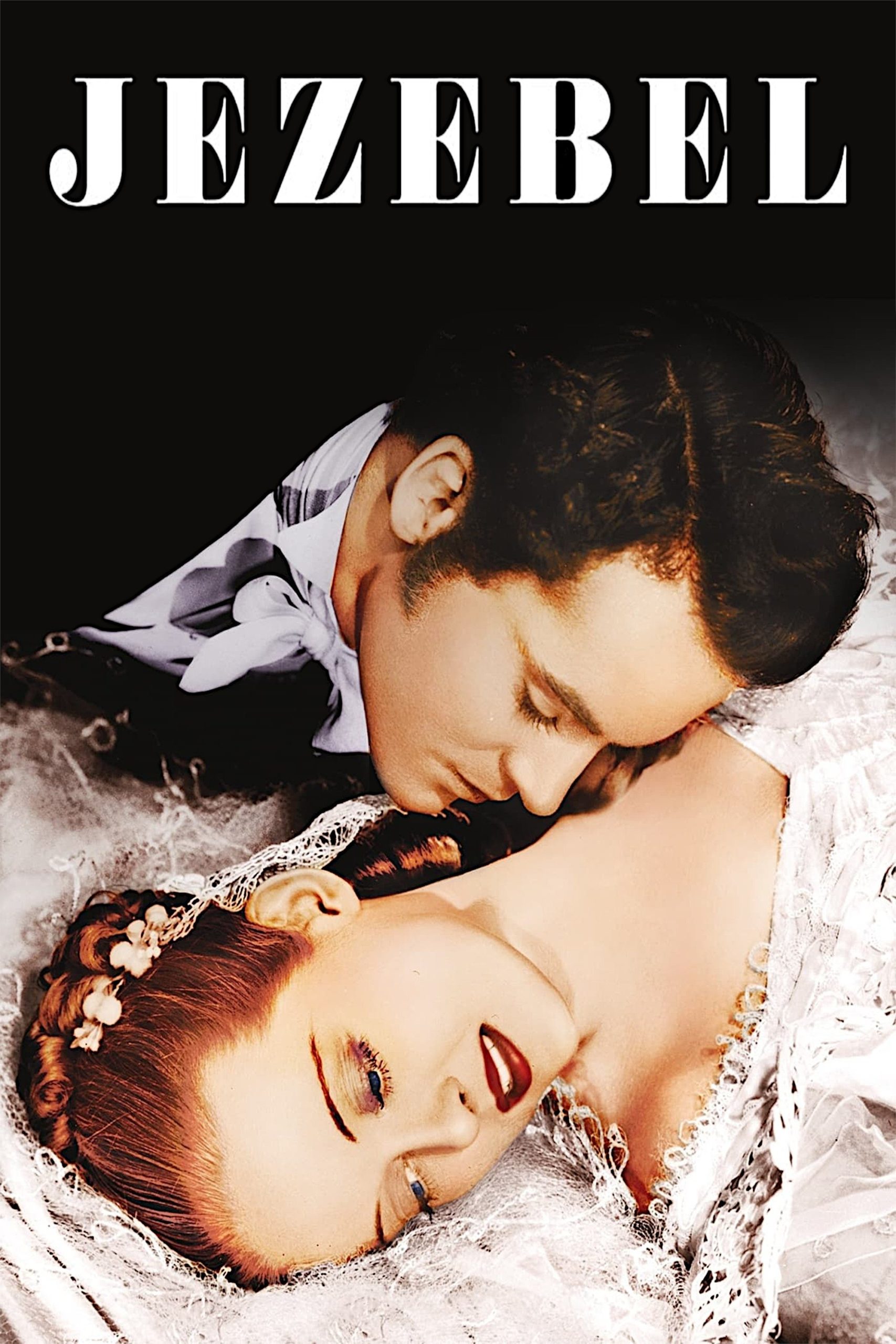
It’s always been the perverse seduction of flawed heroines that draws me back to old Hollywood, and “Jezebel” is the kind of film that lodges itself beneath my skin. I remember one humid summer night, discovering the movie on television, and marveling at how Bette Davis—indomitable, mercurial, impossible to ignore—summoned a raw force that reverberated even through the dusty glow of black-and-white film stock. “Jezebel” felt like a whispered challenge: find empathy for its protagonist, Julie Marsden, a woman as unforgettable as she is infuriating—a character as much villain as victim. That tension, the film’s ability to turn the antebellum South into not just a setting but a heat-ridden crucible for its characters’ desires and failures, is what keeps me returning, eager to peel back more layers with every viewing.
A Study in Pride, Passion, and Consequence
What “Jezebel” prods so insistently is the emotional hammering that comes when personal pride and romantic obsession collide. Julie Marsden’s arc is not merely that of a spoiled Southern belle, but the journey of a woman who confuses self-assertion with selfishness, and love with conquest. The film’s narrative tension is less about the superficial tripwires of plot and more about the lava flow of ego and regret simmering beneath. Here is a character whose need to prove herself—particularly in relation to Henry Fonda’s sturdy, soft-spoken Pres Dillard—overpowers her happiness and dignity. That toxic pride, and society’s role in nurturing it, creates the bitter flavor that lingers long after the final frame.
From the opening scenes, I see the film as not merely a romance gone awry, but an exploration of personal agency clashing with societal expectation. Julie’s decision to defy convention—ostensibly to declare her independence—reveals itself as a double-edged sword. Each choice ricochets, not just within the narrative, but within the very bones of a society petrified by tradition. The emotional journey “Jezebel” offers, then, is one of slow-motion self-destruction, where the consequences of pride become devastatingly clear—yet empathy is never wholly out of reach. That’s the paradox that makes the film such a compelling agony: it invites me to care deeply about someone whose every action I wish I could halt.
Themes that Echo Through Time
“Jezebel” is, to my mind, a film fundamentally concerned with the tension between individuality and societal constraint. Julie Marsden’s rebellion—her insistence on wearing a scarlet dress to the Olympus Ball, for instance—is a symbolic act of resistance, but also a cry of narcissism. The film scrutinizes gender, pride, class, and tradition, letting each theme take up all the oxygen in the room until the inevitable combustion. What continues to resonate is the way these issues still pulse beneath the surface of modern conversations about autonomy, identity, and the burden of expectation—especially for women navigating conflicting roles.
At the time of its 1938 release, “Jezebel” struck a particular nerve. The pre-World War II era in America was a landscape of social uncertainty. Audiences, keenly attuned to the shifting sands of gender and societal roles, saw in Julie’s downfall a cautionary tale wrapped in melodrama. Now, I find the film’s critique of a culture perched anxiously on the edge of change more urgent than ever. “Jezebel” unwittingly exposes the damage wrought when social structures refuse to budge, and individuals—however flawed—are left to pay the price for that rigidity. For all its period trappings, the film’s themes are as relevant and discomfiting now as they were then.
Echoes in Red: Symbols and Visual Language
Few symbols in Golden Age Hollywood rival the red dress at the heart of “Jezebel.” More than wardrobe, it is a battle flag, a signal flare disrupting a society built on silence and conformity. The iconic scene where Julie enters the Olympus Ball clad in forbidden red rather than virginal white is, for me, a visual encapsulation of the film’s core: the cost and consequence of defying social order. That color isn’t just pigment—it’s shame and spectacle, rebellion and reckoning made fabric.
There’s also the perpetual motif of doors and thresholds. “Jezebel” is obsessed with entrances, exits, and the spaces in-between. The film’s characters are constantly moving between rooms—rooms that confine, liberate, or expose. To me, those shifting thresholds function as physical metaphors for Julie’s fluctuating status: always on the brink of acceptance or exile, love or disgrace. The feverish Southern landscape itself—claustrophobic interiors giving way to wild, fever-struck exteriors—mirrors the tumult within Julie and the world she inhabits. Each shot feels laden with the heaviness of a society poised for collapse, while simultaneously refusing to let go.
Pivotal Moments That Reshape Everything
The Crimson Outrage: Olympus Ball
The Olympus Ball sequence is, hands down, one of the most searing in classic cinema. Julie’s walk across the room in her red dress is less an act of courage than a public undoing. Everyone’s eyes fix on her—a predator’s gaze, not admiration. What astonishes me is how this scene turns a moment of ostensible power into an open wound: the humiliation is palpable, the violation total. The silence that follows her entrance is deafening, and the viewer—much like Julie—is made to feel every bit as exposed.
A Crisis of Redemption: The Sickroom
Late in the film, Julie’s encounter with the fever-stricken Pres marks the endpoint of her arc. This dying-room confrontation—Davis’s trembling vulnerability set against Fonda’s drifting consciousness—lays bare the film’s existential question: Is redemption possible, or is forgiveness only a ghost that haunts the margins? Julie’s resolve to nurse Pres through the plague feels, to me, less like atonement and more like a scraping search for a last shred of purpose—her agency, once weaponized, turned toward sacrifice.
Lines Drawn and Crossed: The Slap
There’s also the unforgettable moment when Pres, in a rare break from his steady reserve, slaps Julie. This act—shocking in its violence and in the reversal of expected power dynamics—forces the audience to recalibrate its view of both characters. It isn’t titillating or cathartic; it’s unnerving, destabilizing, and forces me to reckon with the limitations of sympathy and the real-world consequences of unchecked pride. The film doesn’t let me off easy, nor does it traffic in easy moralizing; it leaves all its wounds visible, refusing a tidy closure.
Interpretations: Mainstream Views vs. My Personal Response
Most critics frame “Jezebel” as a cautionary melodrama about feminine hubris and societal retribution. I understand that line of thinking—after all, Davis’s Julie fits the archetype of the “fallen woman” punished for transgressing patriarchal codes. There’s ample scholarship that ties the film to a reactionary nostalgia for antebellum gentility: the red dress as Eve’s apple, the climactic sacrifice a form of gendered penitence. Some see Julie as a proto-feminist, while others see only the reinforcement of outdated moral binaries.
But for me, “Jezebel” is more cruelly ambivalent, more troubling to embrace as mere morality play. What haunts me isn’t just Julie’s mistakes, but the way the film implicates every bystander—audience included—in her downfall. This isn’t simply the cost of defiance, but the cost of a world so resistant to change that it devours its own. I can’t see Julie as only a tragic lesson; she’s a kind of anti-hero, whose ruin is as indictment as it is catharsis. The complexity of her desires and the society’s hypocrisies are what keep me circling the film years later, hungry for further meaning.
Cinematic Echoes: Comparable Works in Celluloid
- Gone with the Wind (1939): Both films dissect the destructive consequences of pride and social strictures in the antebellum South, using headstrong heroines as their engines of disaster and redemption.
- Letter from an Unknown Woman (1948): This film explores the self-ruin of a woman obsessed with an unattainable love, echoing Julie’s tragic arc of pride versus vulnerability.
- Rebecca (1940): The central motif of identity, shame, and power in a repressive society links this gothic drama to the dilemmas faced by Julie Marsden.
- Now, Voyager (1942): Bette Davis again portrays a woman battling social norms and personal demons, navigating the razor’s edge of conformity and rebellion, much like Julie.
Final Thoughts: Watching “Jezebel” Today
The tangled passions of “Jezebel” may belong to another century, but I find its themes burning with immediacy still. To watch this film now is to enter an uneasy contract—not just with history, but with one’s own capacity for judgment and empathy. If anything, “Jezebel” asks more questions than it answers, provoking conversation about guilt, forgiveness, and the aftershocks of pride. Contemporary viewers who engage with its historical blind spots, its technical artistry, and its emotional cruelty will find it more than just a museum piece: it’s a crucible for wrestling with our own tendencies to judge and with the systems that perpetuate tragedy. That, for me, is its enduring worth.
Related Reviews
If you found value in my perspective, you might also enjoy exploring my thoughts on other cinematic landmarks such as “Gone with the Wind” and “Now, Voyager.”
To broaden this interpretation, you may also explore how critics and audiences responded over time.
🎬 Check out today's best-selling movies on Amazon!
View Deals on Amazon