
Vengeance as Language: My Descent into Wick’s Underworld
The first time I watched “John Wick,” I didn’t see a simple revenge tale. I saw a man who speaks violence the way others might speak poetry. This film isn’t really about the mechanics of revenge—it’s a howl of grief dressed as a ballet of bullets. What stunned me wasn’t just the choreography of action, but how those fluid, relentless motions mapped Wick’s interior landscape: his pain, alienation, and desperate search to reclaim a fragment of meaning after loss.
On the surface, the plot is lean and uncluttered. But every gunshot echoes with the film’s true question: what remains of our humanity once love is gone? For me, every neon-lit corridor and rain-spattered street in “John Wick” feels like a stage where the soul’s last stand is fought, not just a battlefield for hired killers.
Rituals of Grief in a World Without Comfort
What always strikes me about the world of “John Wick” is the omnipresent ritual. There’s a code for everything—currency, debts, even death. The criminal underworld is painted as an almost mythic order, where every act of violence is a ceremony, and every death has its prescribed rites. This isn’t just style; it’s a reflection of Wick’s own need for order in the chaos of his grief.
I feel that the film’s obsession with rules and order is a desperate attempt to control the uncontrollable—like loss, like grief itself. Wick’s ritualistic violence isn’t about vengeance alone; it’s his way of speaking to a universe that no longer makes sense. Each meticulously loaded magazine and carefully placed gold coin is a prayer, a hope that some cosmic balance can be restored. But the film is honest: even the most scrupulous rituals can’t fill the absence at the heart of things.
The Elegance of Violence: Dance or Death Wish?
I’m often awed by how “John Wick” turns brutality into elegance. Director Chad Stahelski, with his background in stunt work, frames combat as a kind of choreography—every move is measured, strategic, almost beautiful. Violence in this world isn’t random or ugly; it’s a language the characters are fluent in, and John is its poet laureate.
But beneath the spectacular surface, I sense a contradiction. The grace of the action scenes isn’t meant to glorify violence, but to reveal its emptiness. The more efficiently Wick dispatches his foes, the more hollow his victory becomes. With each adversary slain, I don’t feel satisfaction—I feel the weight of what can’t be undone. If combat is a dance, it’s one he can never truly win. The balletic movement becomes a form of mourning, a way to keep moving so he doesn’t have to face the silence that follows.
Icons and Dogs: The Power of the Unspoken
No analysis of “John Wick” feels complete to me without acknowledging the dog. Yes, its death is the inciting incident, but it’s so much more: the puppy is a living symbol of John’s last link to the world of hope, love, and possibility. It’s not merely about the loss of a pet—this is the second time his world has been torn from him, and this time it’s by human hands, not fate.
The dog’s innocence and vulnerability are seared into every decision John makes. He’s not just retaliating against those who wronged him; he’s fighting for the idea that something innocent and meaningful can exist in a world defined by cruelty. I’ve always felt that the puppy’s brief presence, and the explosion of violence that follows its death, distill the film’s thesis: when the last good thing is taken from you, what do you become?
Is the Underworld Really Home?
I don’t think Wick is ever truly comfortable in his old life of blood and codes. There’s a persistent sense that he’s an exile—never quite at home in the criminal underworld, even though he’s its most legendary denizen. The film’s secret sadness is that John’s journey isn’t about reclaiming power; it’s about exposing how little power he actually has over what’s been lost.
When he returns to the Continental Hotel, when he exchanges nods with other hitmen, there’s a ritualistic familiarity—but it all feels faintly tragic. He’s moving through the motions of a life he’s already discarded, looking for something he knows he won’t find. Each exchange drips with nostalgia and regret, as if every assassin John encounters is a mirror reflecting his failures and the emptiness of his quest.
The Specter of Legacy: Wick as Legend and Myth
I’m fascinated by the mythology that coils around John Wick. From the first mention of his name, he’s less a man than a legend—baba yaga, the boogeyman, a story whispered to frighten. Wick’s legend is his curse: it traps him, making escape impossible even as it wards off threats. Everyone seems to know who he was, but none of them understand what he has become.
This focus on mythic stature serves as a caution. For John, legend is a prison built out of other people’s stories—a reputation that always outweighs the reality of his pain. I find myself wondering if the film is quietly critiquing the very idea of cinematic heroism: what glory is there in being feared? What intimacy exists in being known only as a story, not as a person?
Color, Light, and the Shape of Sorrow
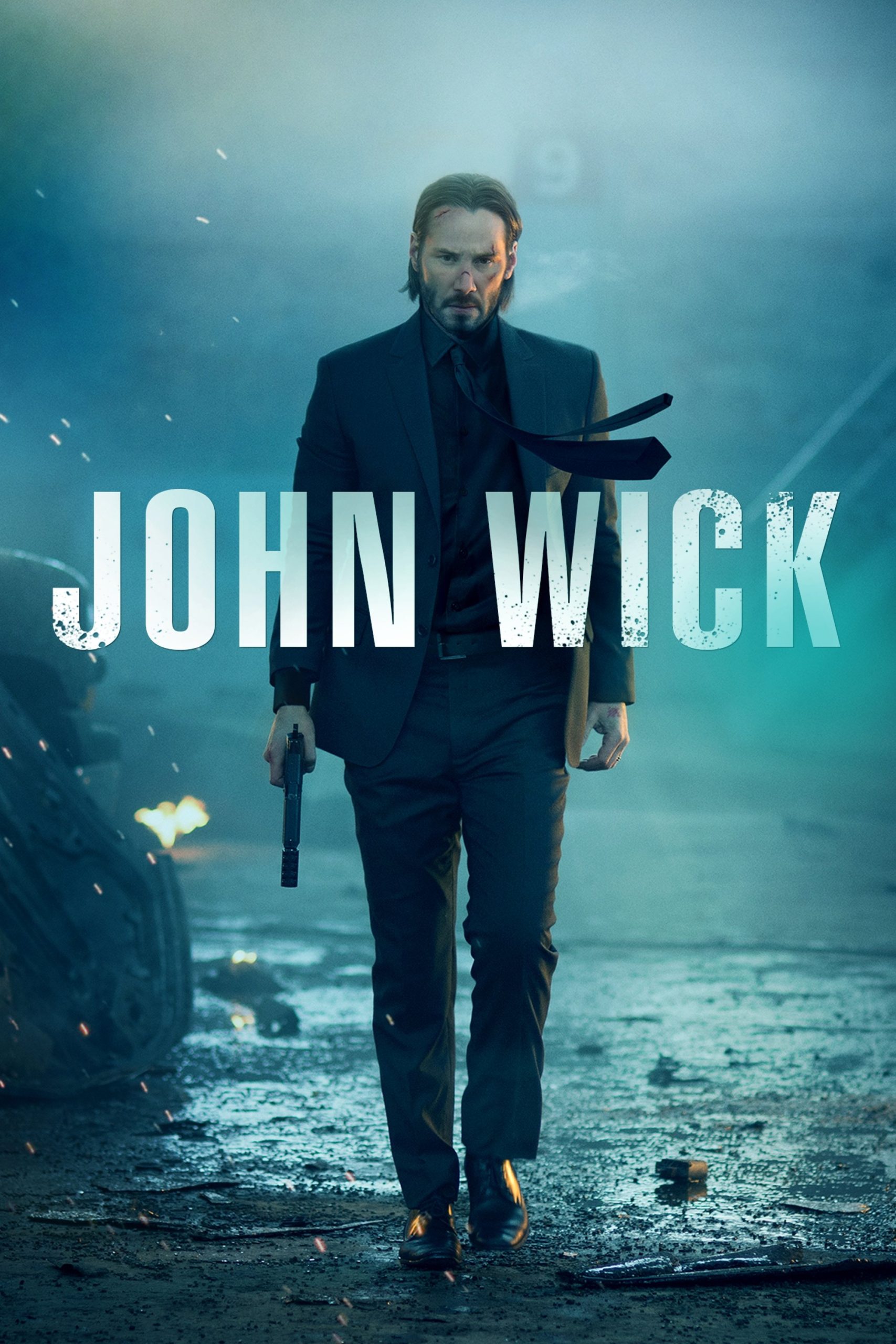
It’s easy to overlook how much of “John Wick” is told through color and shadow. To me, the film is awash in cold blues, neon purples, sudden bursts of red—each hue etching out the boundaries of Wick’s inner world. The cinematography doesn’t just look cool; it externalizes the turmoil raging inside him.
When I watch John drifting through rain-drenched streets or fighting beneath nightclub strobes, I feel the scenes are sculpted by grief. Light and darkness are his constant companions, capturing the push and pull between despair and the fleeting hope that meaning might be salvaged from violence. The city itself becomes a labyrinth of memory, haunted by colors that evoke longing and remorse rather than triumph.
The Quiet Heartbeat of Defiance
What lingers with me most, after the gunfire fades, is the film’s quiet defiance. John Wick isn’t just about loss, but about refusing to become numb to it—even when the price of feeling is pain. There’s an odd tenderness beneath the carnage, as if every bullet John fires is a refusal to forget, a way of keeping love alive by refusing to accept the world as it is.
I sense in Wick’s actions a yearning for redemption, not for the violence he commits, but for the hope he’s lost. The film suggests that grief is a burden, not a weakness; a sign that something within us still cares, even if all we can do is rage against the dying of what we cherished. In the end, it’s not the body count that defines John—it’s his refusal to let loss become apathy.
For Those Seeking the Heart Beneath the Gunfire
If you’re drawn to films where the textures of violence serve to illuminate, not obscure, the wounds beneath, I’d urge you to revisit “Le Samouraï” and “Point Blank.” Both are haunted by solitary men adrift in existential aftermath, each portraying their hero’s world with a chilly beauty that echoes John Wick’s own.
If you’re curious about how this film was originally perceived or how it compares to similar works of its era, these resources may be helpful.
🎬 Check out today's best-selling movies on Amazon!
View Deals on Amazon