
A Bird’s Reach in a Miner’s Shadow
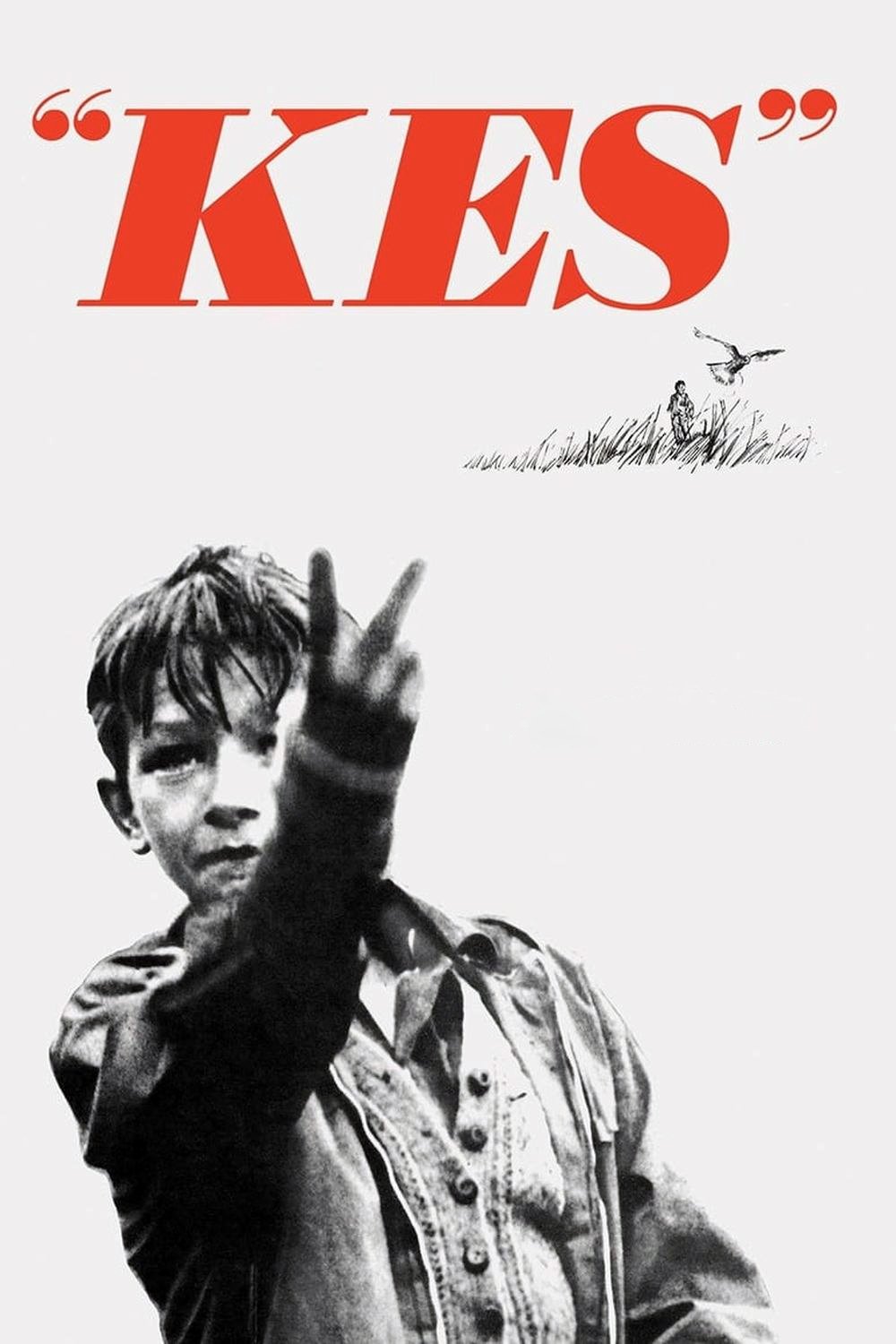
As a child, I felt invisible in rooms crowded with expectation, and the first time I saw “Kes,” I recognized in Billy Casper a mirror of that invisibility, but with a sharper sting of endurance. The film didn’t just tell a story—it burrowed into the unglamorous marrow of working-class life, rendering it with a compassion I hadn’t seen before. What immediately struck me was how “Kes” refuses romanticism, instead offering an intimate portrait of a world whose grit is not softened by nostalgia or sentimentality.
The Cage of Circumstance
Billy’s daily grind—his fractured family, indifferent teachers, and the bleak horizon of coal mining—unfolds in a rhythm I found almost suffocating. This isn’t just another coming-of-age tale; it’s a quiet indictment of social determinism, where potential is stunted not just by poverty, but by the collective resignation of everyone around him. Watching Billy’s mother and brother, I could feel the generational exhaustion beating down on any flicker of hope. To me, the harsh Yorkshire landscape isn’t just a backdrop, but a living symbol of entrapment: the muddy fields and cramped houses boundary lines for both body and spirit.
A Kestrel’s Flight as a Radical Gesture
Whenever Billy is with Kes, the kestrel, the camera lingers, drawing me into a rare oasis of freedom. It’s more than a boy and his pet—it’s a radical assertion of agency. In a world meticulously designed to tell Billy he’s worthless, his commitment to training Kes becomes an act of rebellion: he asserts control, mastery, tenderness—qualities the adult world has denied him. I can’t help but feel that every time the bird soars, Billy claims a piece of sky as his own, even if only for a moment. There’s defiance in those scenes; a whispered insistence that life can contain beauty, even where the odds insist otherwise.
The Unseen Language of Survival
I’ve always been haunted by the film’s soundscape—the ambient chatter, the dialects, the silences. These aren’t just aesthetic choices. The language spoken in “Kes” is as much about exclusion as communication. Teachers talk at students, parents bark orders, supervisors deliver monologues of futility. Billy’s halting attempts to articulate his passion for Kes, especially during the classroom scene, reveal a deeper truth: self-expression is itself a privilege, and in Billy’s world, even words must be fought for. The rare moments when he is heard (truly heard) are moments of fleeting dignity.
The Tyranny of Small Cruelties
One of the most devastating aspects of “Kes,” at least for me, is how it never allows us to pin blame on one villain. Instead, the cruelty is collective, casual, and institutional. Mr. Sugden, the PE teacher, is by turns ridiculous and malicious. Billy’s mother is not evil, just overwhelmed. The film’s power lies in how these small, everyday acts of indifference accrue into a kind of violence—one that wounds without leaving scars. It’s a world where hope is a limited resource, and everyone, adults and children alike, are scrambling for scraps.
Moments of Grace Amid Despair
Despite its unflinching realism, “Kes” is threaded with moments that feel almost miraculous in their tenderness. The sequence where Billy trains the bird is filmed with an attention that borders on reverence. In these scenes, the film invites me to witness the possibility of transformation. The bond between boy and bird isn’t utopian—it won’t save him from his circumstances—but it does matter. It matters because it carves out a private sanctuary, a place where Billy’s love and labor create meaning in a world that otherwise denies him both. For me, these moments are a quiet, stubborn resistance to despair.
Refusing Redemption Arcs
As the film draws to its close, I find myself bracing for a catharsis that never comes. “Kes” does not resolve Billy’s suffering with a burst of triumph, nor does it deliver poetic justice. By denying us easy redemption, the film forces us to confront the reality that sometimes, a moment of beauty or connection is all a life will offer. The final image—Billy burying Kes—hits me with a cold honesty. This is not a story about salvation, but about the endurance of spirit in the face of unyielding hardship. It’s a film that trusts the audience to recognize the significance of minor victories and the cost of their loss.
Why “Kes” Still Cuts Deep
On every rewatch, I’m reminded that “Kes” isn’t simply about one boy or bird. It’s a film about the cost of neglect—how systems, institutions, families, and communities can withhold the simplest forms of care, and the damage that grows in those absences. It asks uncomfortable questions: Who gets to hope? Whose dreams are worth fostering? At its core, “Kes” is about the resilience required to nurture beauty and meaning where it’s least expected, and the heartbreak of seeing those things threatened or destroyed by forces beyond control. In that struggle, I find a universal ache—one that’s never quite dulled by time or familiarity.
If This Resonates: Two Echoes from Cinema’s Past
If “Kes” moved you as deeply as it did me, you may find similar emotional resonance in the understated heartbreak of “The 400 Blows” and the relentless authenticity of “Bicycle Thieves.” Both films, like “Kes,” probe the limits of innocence in worlds that are neither fair nor forgiving.
If you’re curious about how this film was originally perceived or how it compares to similar works of its era, these resources may be helpful.
🎬 Check out today's best-selling movies on Amazon!
View Deals on Amazon