
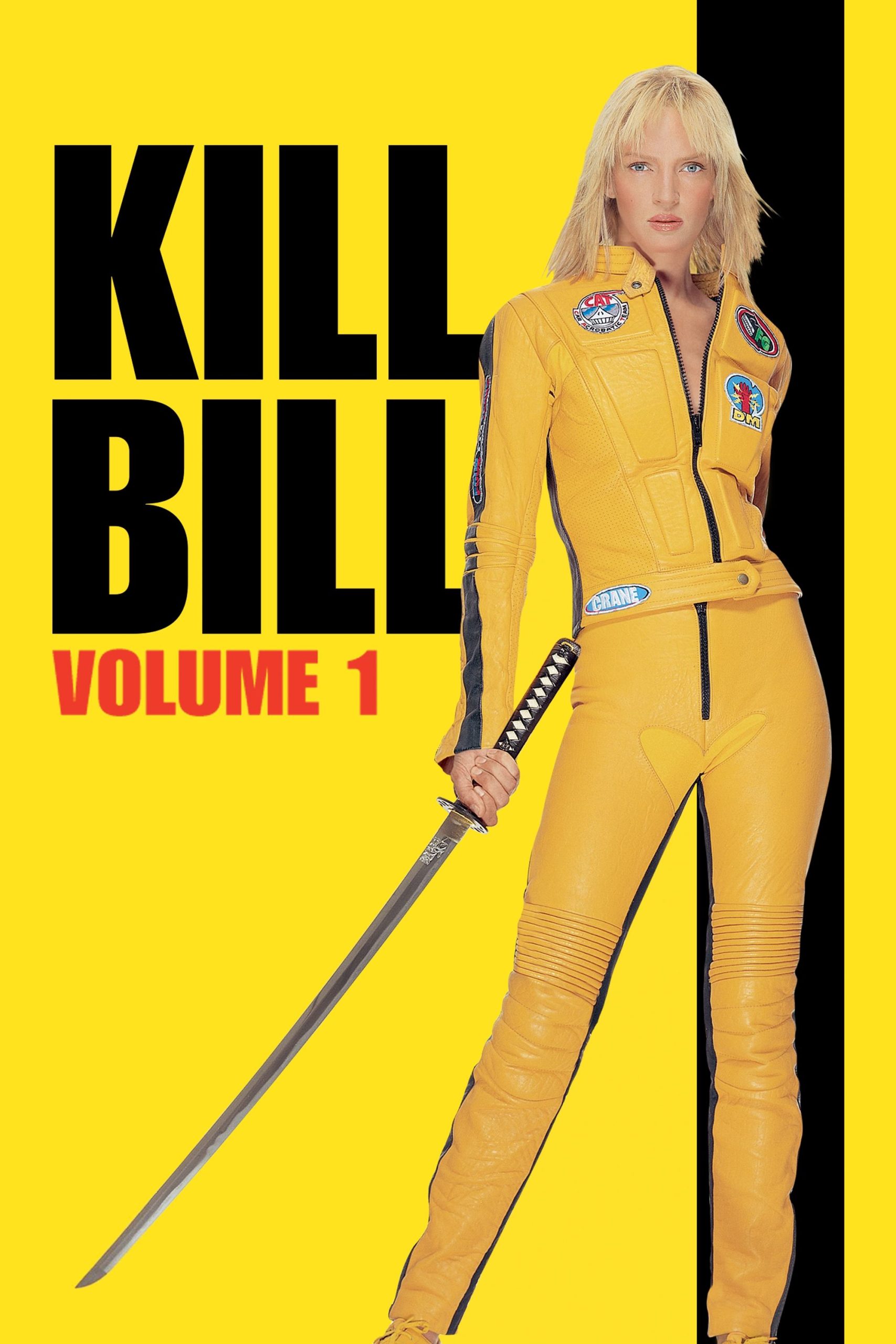
My First Encounter with Tarantino’s Lethal Ballet
The first time I watched Kill Bill: Vol. 1, I was both electrified and unsettled. Not by the violence, but by the relentless conviction with which Quentin Tarantino orchestrates carnage and grace—sometimes in the same frame. From the opening monochrome close-up of Uma Thurman’s battered face, I felt I’d entered a code of cinematic honor, a universe where revenge was not just a plot device but a language. What struck me immediately was how the film refuses to apologize for its appetite for excess, transforming physical vengeance into a ritual of identity and defiance. I watched, transfixed, trying to untangle whether I was the witness, the accomplice, or, in some odd way, the target of the film’s exhilarating, self-aware violence.
Revenge as the Only Law That Matters
In Tarantino’s world, revenge is not merely a response to wrongs—it’s an existential imperative. The Bride’s journey is mythic, yet urgent and raw; I felt her crusade in my bones. The film’s structure, breaking chronology, doesn’t just serve style—it’s a reflection of how trauma fragments and rearranges memory. Her pursuit of the Deadly Viper Assassination Squad isn’t just a checklist; each confrontation felt to me like negotiating pieces of her own shattered self.
What makes this film so wrenching is that vengeance becomes the only meaning left to the protagonist. The world has taken everything—the violence is the only language she has to write her story anew. The code she follows is older than any legal system: blood for blood, with no room for mercy or ethical hesitation. I find myself wondering whether Tarantino is challenging me to root for The Bride because she’s “in the right,” or if he’s daring me to question my own appetite for narrative justice.
Violence as Ritual and Performance
Tarantino saturates every frame with violence, but I never feel like it’s there simply to shock. The swordfights, the geysers of blood, the impossibly balletic choreography—these are ritualistic, almost sacred. The film leans on the grammar of martial arts cinema and samurai epics, but it never hides behind homage. Instead, the references are integrated as living flesh, not dead pastiche. The showdown at the House of Blue Leaves, in particular, plays out for me like a religious rite—where the spilling of blood is necessary for spiritual rebirth.
It’s almost as if Tarantino is inviting us to see his violence as a form of catharsis, not sadism. Each slash of the Bride’s blade is both an act of destruction and a desperate grasp for lost agency. The carnage is so stylized, so extravagantly unreal, that I can’t help but see it as commentary on how cinema itself mediates trauma and desire. By pushing violence into the realm of spectacle, the film exposes how audiences—including myself—are implicated in this ritual.
Identity Dismembered and Reforged
Beneath the yellow tracksuit and the unwavering stare, The Bride is an identity in flux. Her real name remains hidden for much of the film, underscoring how much has been stolen from her. I found myself noticing how every adversary she faces is less an enemy and more an aspect of her former life that must be confronted and, ultimately, destroyed. The film’s use of genre—spaghetti western, kung fu, anime—mirrors this identity crisis. Each sequence feels like stepping into another memory, another mask, another mode of survival.
The sequence with O-Ren Ishii, rendered partly in anime, is especially poignant for me. This stylistic shift feels like an acknowledgment that some traumas can only be depicted through mythic exaggeration. The Bride’s quest isn’t just to reclaim her life, but to come to terms with what she’s become—a weapon and a target in the same breath. The film, in turn, refuses to let identity settle into anything stable or comfortable.
The Dance with Genre and Memory
If I had to pinpoint what makes Kill Bill: Vol. 1 feel so alive, it’s the way it remixes the past without nostalgia. Tarantino uses genre as a lens to refract memory, blurring the lines between homage and invention. When swords clash and Ennio Morricone-esque music swells, the cinematic past erupts into the present, reminding me that every act of remembering is also an act of creation. The film’s non-linear flashbacks and sudden shifts in tone aren’t just for show—they’re reflections of how the mind reconstructs trauma, looping through pain in search of meaning.
For me, the film never lets the viewer settle into passive consumption. I found myself constantly aware of the devices—the split screens, the chapter headings, the audacious color palette—but never distanced from emotion. The film’s fractured structure is a mirror to the protagonist’s fractured psyche. Memory is not a straight road; it’s a blood-soaked labyrinth where every corridor ends in confrontation.
Women, Power, and Mythmaking
I can’t ignore the way Kill Bill: Vol. 1 upends expectations of female agency in cinema. The Bride, O-Ren, Vernita Green—these are not damsels or sidekicks. Each woman is at once mythic and deeply human, their violence both self-defining and self-consuming. In a landscape where women are often reduced to victims or objects of rescue, Tarantino’s characters seize center stage, wielding power with brutal clarity. And yet, the film never lets me forget the cost. The Bride’s strength is won through pain and loss, underscoring that empowerment is always stained by what it must destroy.
I find particular resonance in the film’s refusal to sentimentalize its heroines. There is no redemptive arc, no clean return to innocence. When The Bride faces her adversaries, she is confronting not just obstacles but the violence that has shaped her. The film’s greatest subversion might be that it never offers comfort—only the hard-edged clarity of survival and the loneliness that comes with it.
The Cost of Vengeance—And Its Limits
As I watched The Bride carve her way through endless adversaries, I couldn’t escape the feeling that the film is as much about the emptiness of revenge as its necessity. Every victory is a wound; every act of justice corrodes something essential. By the end of the film, when the blood has dried and the bodies are nameless, I’m left questioning what has truly been gained. The Bride’s list may grow shorter, but her sense of self is not restored—it’s recast in violence, each kill another step away from who she once was.
I’m haunted by the idea that the film’s true subject is not vengeance, but loss—the loss of innocence, the loss of boundaries between victim and perpetrator. Tarantino never allows an easy answer. Instead, he leaves me with images of beauty and brutality entwined, daring me to consider whether the cost of revenge is worth the fleeting satisfaction it brings. If violence is the only way to reclaim a stolen life, what happens when the debt is paid?
Legacy, Influence, and What Remains
Years after my first viewing, Kill Bill: Vol. 1 still lingers in my imagination—not as a story of triumph but as a meditation on the ways we remake ourselves from the ruins
The film’s stylistic bravado and audacious intertextuality have inspired countless imitators, but I find that its real legacy lies in its refusal to resolve. The film closes with both a cliffhanger and a void, leaving The Bride (and me) suspended between past and future, justice and obliteration. Tarantino doesn’t offer moral closure, only the exhilaration and despair of survival. Each time I revisit this film, I’m reminded that the deepest wounds don’t heal—they just become part of the story we tell ourselves to keep moving forward.
If This Resonated, Seek These Journeys
If the fever-dream logic and searching violence of Kill Bill: Vol. 1 left their mark, I urge you to seek out these two classics for their own singular explorations of revenge, identity, and the search for meaning amidst chaos:
- Lady Snowblood
- Point Blank
If you’re curious about how this film was originally perceived or how it compares to similar works of its era, these resources may be helpful.
🎬 Check out today's best-selling movies on Amazon!
View Deals on Amazon