
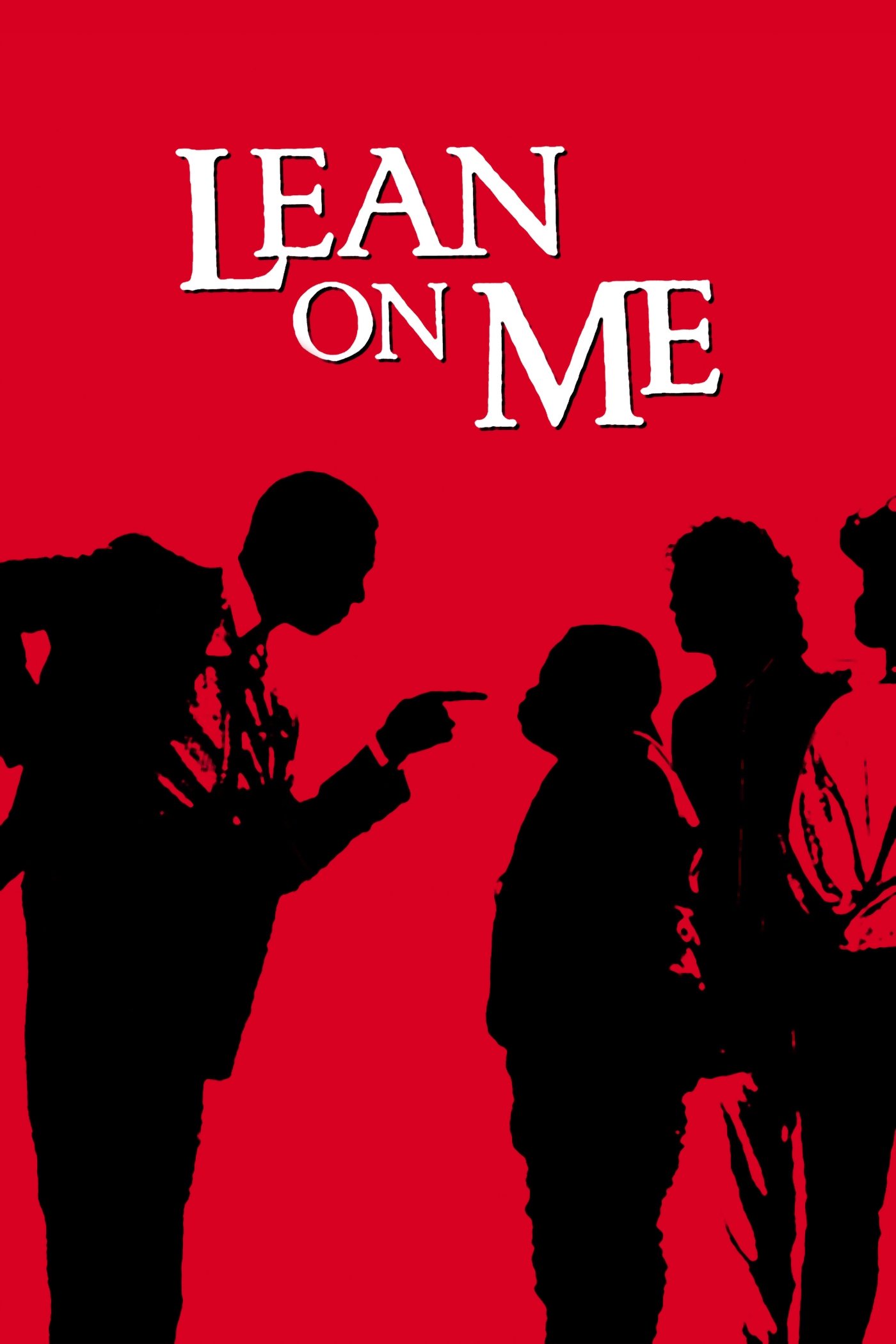
When I first encountered “Lean on Me,” it was in a late-night channel shuffle, years after my own high school days. I didn’t expect to be captivated, but there was something urgent—even abrasive—about the character of Joe Clark that immediately transfixed me. The film didn’t try to seduce viewers with conventional nostalgia; instead, it bombarded me with raw, difficult questions about authority, community, and the painful work of transformation. I saw shades of teachers I feared, admired, and misunderstood. The film’s energy compelled me to examine not only what education is, but who it truly serves, and at what cost. For me, “Lean on Me” isn’t just a story about cleaning up a failing school—it’s a bold, provocative punch to the complacency we too often swallow about institutional change.
What the Film Is About
“Lean on Me” orbits around the embattled Eastside High, a once-thriving institution collapsing under the weight of violence, drugs, and neglect in urban Paterson, New Jersey. The central conflict does not reside merely in the crumbling infrastructure or the failing test scores, but in the soul of the school—a microcosm for a society on the verge of either submission or revolution. In watching Mr. Clark, summoned as a last resort, hurl himself at the rot inside those halls, I see a deeper warfare playing out: hope versus inertia, willpower opposing despair.
From my perspective, the emotional journey is less about triumph and more about the cost of toughness. Clark’s methods, both magnetic and ruthless, dig into uncomfortable territory about the nature of leadership and the consequences of radical change. The film dares us to question who gets to draw the line between rehabilitation and authoritarianism. “Lean on Me” seeks not to offer neat solutions, but to dramatize the toll of pushing a community toward salvation—even if it risks breaking it first.
Core Themes
Above all, the question of power—how it’s wielded, who should possess it, and its limits—dominates the film’s landscape. Watching Clark strut, yell, and threaten his way through resistance is both exhilarating and troubling; I find myself torn between admiration for his relentless commitment and discomfort at his autocracy. Even now, the theme resonates: at a time when educational systems and city administrations everywhere face cascading crises, “Lean on Me” throws the dilemma of leadership into sharp, divisive focus.
Identity looms just as large, not only for individuals like Clark or the students struggling to stake out who they are, but for the community as a whole. The rapid-fire confrontations between teachers, parents, administrators, and students bear witness to a larger search for dignity and purpose. For me, the film’s most relevant and urgent theme—still bristling with contemporary significance—is that of collective responsibility. It asks, often uncomfortably: what happens when society abandons its most vulnerable, and what sacrifices are we willing (or unwilling) to make to win them back?
Back in 1989, these themes were pressing. Reagan-era neglect had deepened urban struggles, and debates over public education, race, and municipal decline were roiling the American conversation. Seen today, the film’s analysis of these themes does not feel dated; if anything, its questions have only grown sharper in an era of widening inequity and school crises.
Symbolism & Motifs
I’ve always been struck by how the film weaponizes its own realism through recurring images:
- The battered doors chained shut: On one level, a literal protection; on another, a jarring metaphor for both institutional security and its suffocating limitations. Clark’s infamous act of chaining the school doors is a visual motif that permanently etches the tension between safety and personal freedom. Every clank of those chains haunts the rest of the film, catalyzing both fear and fragile unity among the school’s population.
- Graffiti and physical decay: Eastside High’s scarred walls and vandalized spaces aren’t just set dressing; they’re an indictment, a continuously present reminder of betrayal by those meant to nurture and protect. These elements reinforce, to me, the persistent struggle between the desire for revitalization and the evidence of longstanding neglect.
- The American flag and the blackboard: Repeatedly, Clark invokes patriotism and discipline as both sword and shield, addressing the flag or scribbling demands on the chalkboard like a general issuing directives. These symbols highlight the film’s contest between chaos and order, empire and emancipation, with education as the battleground.
Through my lens, these motifs serve not merely as backdrops but as living characters in the drama—a relentless chorus both criticizing and emboldening the actors on screen.
Key Scenes
The Audacious Staff Assembly
The first truly searing moment for me is the infamous staff meeting, where Clark fires several teachers on the spot. Here, the flash of power is as disturbing as it is galvanizing; Clark’s brutality is laid bare, but so is the rot he seeks to excise. This moment is crucial, because it establishes the stakes—not only for the staff’s future, but for Clark’s own convictions and the sacrifices required of everyone. It serves as a gut punch; leadership will not be gentle or polite, and the discomfort is the point.
Expelling the “Bad Apples”
Early on, Clark enforces his vision by publicly expelling a group of students he brands as destructive influences. This moment is both horrifying and thrilling—a parable in tough love that makes me squirm, precisely because the film resists simple moralizing. Are these kids victims or villains? Is Clark saving the school or scapegoating the powerless? It’s a scene that, in its brutality, encapsulates the film’s willingness to foreground ambiguity and risk.
The Rooftop Confrontation
Late in the film, Clark intervenes as a despondent student contemplates suicide on the rooftop. This is where the mask slips; the relentless enforcer becomes a human being, and for a painfully brief moment, Clark lets his empathy shine through. The scene reminds me that underneath all the slogans and shouts, the film is deeply concerned with the vulnerability hidden in every student and authority figure. It’s an unguarded moment of grace, and without it, the film’s depiction of discipline would feel intolerably cruel.
Common Interpretations
Many critics read “Lean on Me” as a rousing, if simplistic, fable of redemption—another entry in the canon of educators overcoming institutional failure. They tend to celebrate the film’s energy and Morgan Freeman’s unyielding performance, but frequently critique its black-and-white morality and Clark’s near-cartoonish authoritarianism. Several reviews from the late 1980s accused the film of glossing over complex socioeconomic issues in favor of feel-good machismo.
While I can sympathize with these readings, they strike me as incomplete. For me, the film’s supposed “simplicity” is not a flaw but a provocation—a self-conscious stylistic choice, daring its audience to wrestle with the consequences of both action and inaction. I also don’t see Joe Clark as a simple hero or villain; instead, he’s a razor blade, necessary and dangerous, and all the more compelling for it. The film’s refusal to offer untroubled answers is, for me, where its lasting force lies.
Films with Similar Themes
- Stand and Deliver – Both films revolve around educators challenging failing urban schools through radical methods, emphasizing hope, discipline, and academic resurrection.
- The Principal – The central premise of a tough new administrator battling violence and apathy in a neglected school echoes “Lean on Me” in its grappling with authority and institutional change.
- Freedom Writers – Like “Lean on Me,” it tackles the power of education to transform lives and confronts the entrenched despair and social division of inner-city schooling.
- Dangerous Minds – Through the lens of another outsider teacher, this film explores questions of power, identity, and the relationship between discipline and empathy, paralleling Clark’s journey.
Conclusion
In approaching “Lean on Me” today, I urge viewers not to watch it as a relic but as a spur to critical reflection—on leadership, justice, and the unending battle for dignity in the face of adversity. This is a film deeply uncomfortable with complacency; it demands we interrogate both our ideals and the price required to realize them. By grappling with its themes of power, collective responsibility, and the blur between inspiration and coercion, audiences can glean not only a potent story, but an urgent call to action. Its rough edges are its greatest virtue—reminding us that real transformation is always messy, and always necessary.
Related Reviews
If you found value in my perspective, you might also enjoy exploring my thoughts on other cinematic landmarks such as Stand and Deliver and Dangerous Minds.
To broaden this interpretation, you may also explore how critics and audiences responded over time.
🎬 Check out today's best-selling movies on Amazon!
View Deals on Amazon