
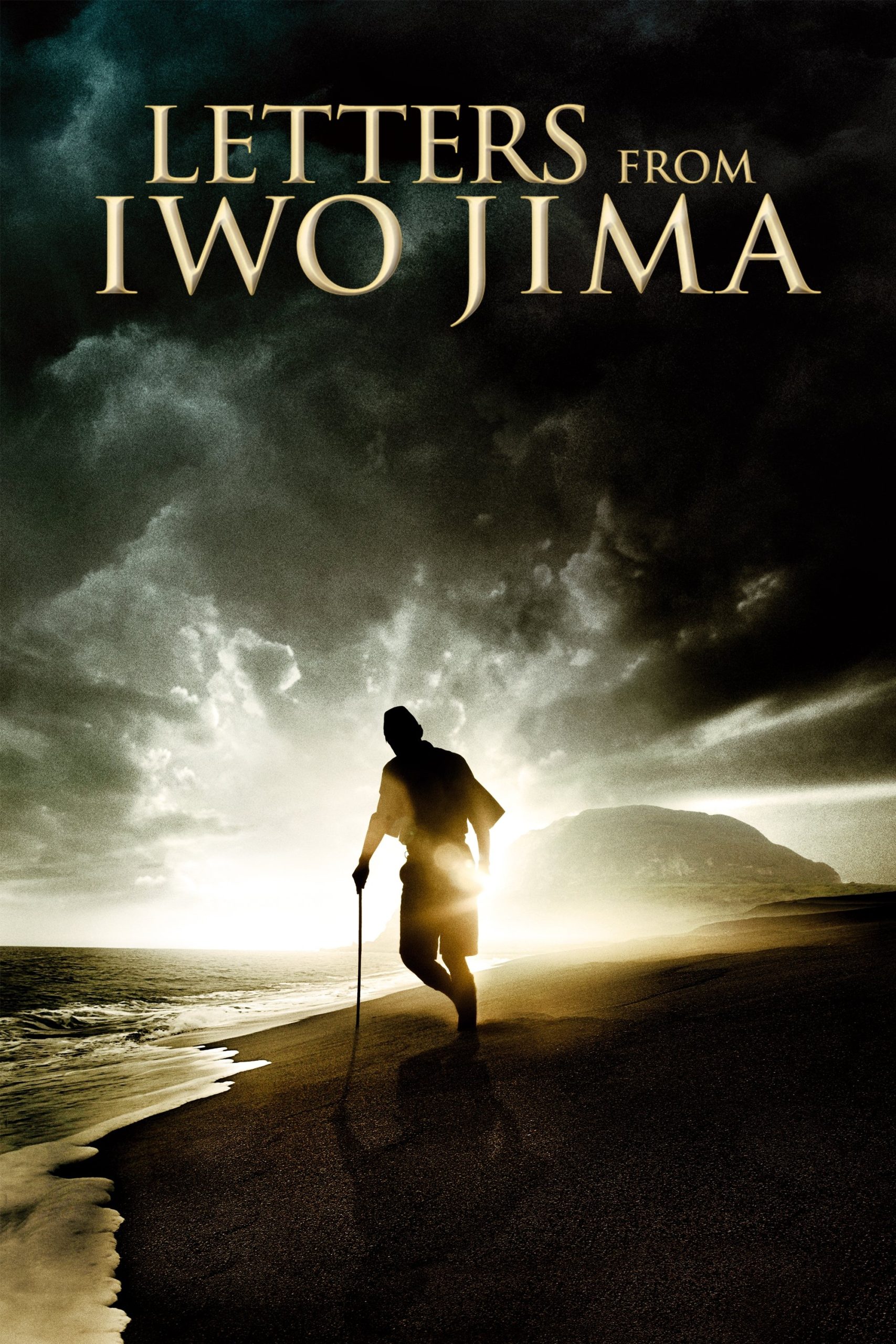
Buried Voices Beneath Black Sand
Every time I return to Letters from Iwo Jima, I feel as though I’m trespassing in a memory I was never meant to access—a memory not just of men at war, but of pride suffocating under volcanic ash. There’s a lacerating intimacy to the way the film peers into the souls of its Japanese soldiers, inviting me to trace the fault lines of their fear and honor. The film never allows me the comfort of distance; it sits me down in the tunnels and demands I listen, not merely watch. This is not a story about winning or losing. The real battle, as I see it, is for the survival of dignity when everything else—soil, body, legacy—crumbles into the earth.
The Isolation of Duty: Sand Turned to Quicksand
From those very first moments, it’s clear that director Clint Eastwood isn’t staging a grand, nationalistic spectacle. Instead, I am thrust into the claustrophobic interiority of men who know their homeland has forgotten them. The endless digging, the letters home that will never be delivered, and the constant tremor of distant bombardment: all of these are reminders that Japan is not sending reinforcements, only orders. That tension between duty and abandonment haunted me. The island becomes less a fortress than a graveyard in waiting; every command to “hold the line” reads as a cruel echo from another world, one whose values have little use in the volcanic tunnels where men slowly suffocate on their own sense of honor.
Portraits Drawn in Ash: Humanizing the Enemy
I find it impossible to talk about Letters from Iwo Jima without admitting how it forced me—an outsider to both the war and its culture—to see the so-called enemy as fully human. There’s something radical in the way Eastwood, an American director, dwells on the faces of General Kuribayashi, Saigo, and the others. Kuribayashi’s contradictions—his compassion, his unorthodox tactics, his loneliness—distill the agony of a leader trapped by obligation and love for home. Saigo, the baker turned conscript, reveals through his every gesture the ways in which the ordinary is obliterated by the extraordinary. These are not faceless adversaries. By focusing on the interior lives of men history has only seen as obstacles, the film compels me to mourn them as individuals, not casualties.
Letters as Laments: The Epistolary Heartbeat
Long after the film ends, the titular letters linger in my mind—not as plot devices, but as the only possible act of resistance left to these men. The act of writing, scribbling on scraps before the inevitable death, becomes a desperate assertion that their experiences matter. Each letter is a thread tethering them to the world beyond Iwo Jima, transforming doomed soldiers into fathers, sons, husbands, men with dreams that will never be realized. I am struck by the way the film suggests that storytelling is the last refuge for the powerless. Even as their bodies are erased by war, their voices claw toward remembrance, toward a future that might listen.
Monochrome Morality: War Rendered in Gray
Most war films beg me to take sides, but here, I find that any clarity dissolves into a fog of moral ambiguity. Eastwood’s palette is literally and figuratively monochrome—muted grays and blacks coat every surface, refusing to let the eyes settle on heroism or villainy. The film’s refusal to romanticize either side signals a deeper conviction: that morality in war is as transient as footprints in ash. There’s a sequence where captured American soldiers are executed despite Kuribayashi’s objections; the command structure compels atrocity even when individual hearts break. In these moments, I feel the suffocating grip of a system where mercy is a liability. The real enemy isn’t the Americans, but the machinery of war itself, and the way it devours nuance, mercy, and hope.
Rituals of Death and the Persistence of Memory
The ritual suicides—jarringly intimate, viscerally honest—anchor the film’s depiction of honor as something both beautiful and horrifying. Watching these men prepare grenades, bow heads, and apologize through tears, I’m reminded that cultural codes can become prisons, turning devotion into despair. Eastwood’s camera doesn’t shy from the agony; it lingers, forcing me to wrestle with the difference between courage and coercion. Is it braver to die for a lost cause, or to survive in defiance of it? The film refuses easy answers. The memory of these deaths, preserved in letters and the volcanic earth itself, suggests that what we call “honor” is always braided with tragedy.
The Geography of Fear: Landscapes That Swallow Men
I’m repeatedly struck by how the island of Iwo Jima acts not just as a battlefield, but as a character—unyielding, almost indifferent. The labyrinthine tunnels offer brief protection but quickly become tombs. Sand chokes, caves collapse, and the outside world feels mythic and unreachable. This geography mirrors the psychological state of the characters—trapped, tunneled in, and haunted by the knowledge that escape is impossible. I sense that the landscape externalizes the war waging inside each man. The futility of digging, of fortifying positions doomed to fall, becomes a metaphor for the larger futility of the conflict itself. The island is a crucible, stripping away illusions until only raw humanity remains.
Whispers Across Time: The Film’s Contemporary Resonance
When I reflect on why Letters from Iwo Jima endures, I realize it’s because it offers a rare act of cinematic empathy. The film asks me to listen to those who have always been spoken for, but never heard. It complicates the tidy narratives of World War II, dissolving victor and vanquished into a chorus of shared suffering and lost futures. In a world still fractured by war and misunderstanding, the film’s insistence on seeing the “enemy” not as a monolith but as a tapestry of human stories feels not just relevant, but essential. No bullet point in a history book can substitute for the ache of a mother’s letter read in a dark tunnel, or the quiet despair of a man who only ever wanted to bake bread. I am left with the conviction that compassion is one of the few things that can survive the inferno of conflict.
If These Tunnels Could Speak: Kindred Spirits in Cinema
Every viewing leaves me searching for other films that dare to dignify the enemy, that interrogate duty and identity with such brutal honesty. If you find yourself moved by the haunted introspection and compassion of Letters from Iwo Jima, I think you’ll discover a similar depth in The Burmese Harp and Fires on the Plain. Both films, in their own ways, challenge me to look beyond borders—to see the echoes of suffering and moral fatigue that war etches into every survivor’s face.
If you’re curious about how this film was originally perceived or how it compares to similar works of its era, these resources may be helpful.
🎬 Check out today's best-selling movies on Amazon!
View Deals on Amazon