
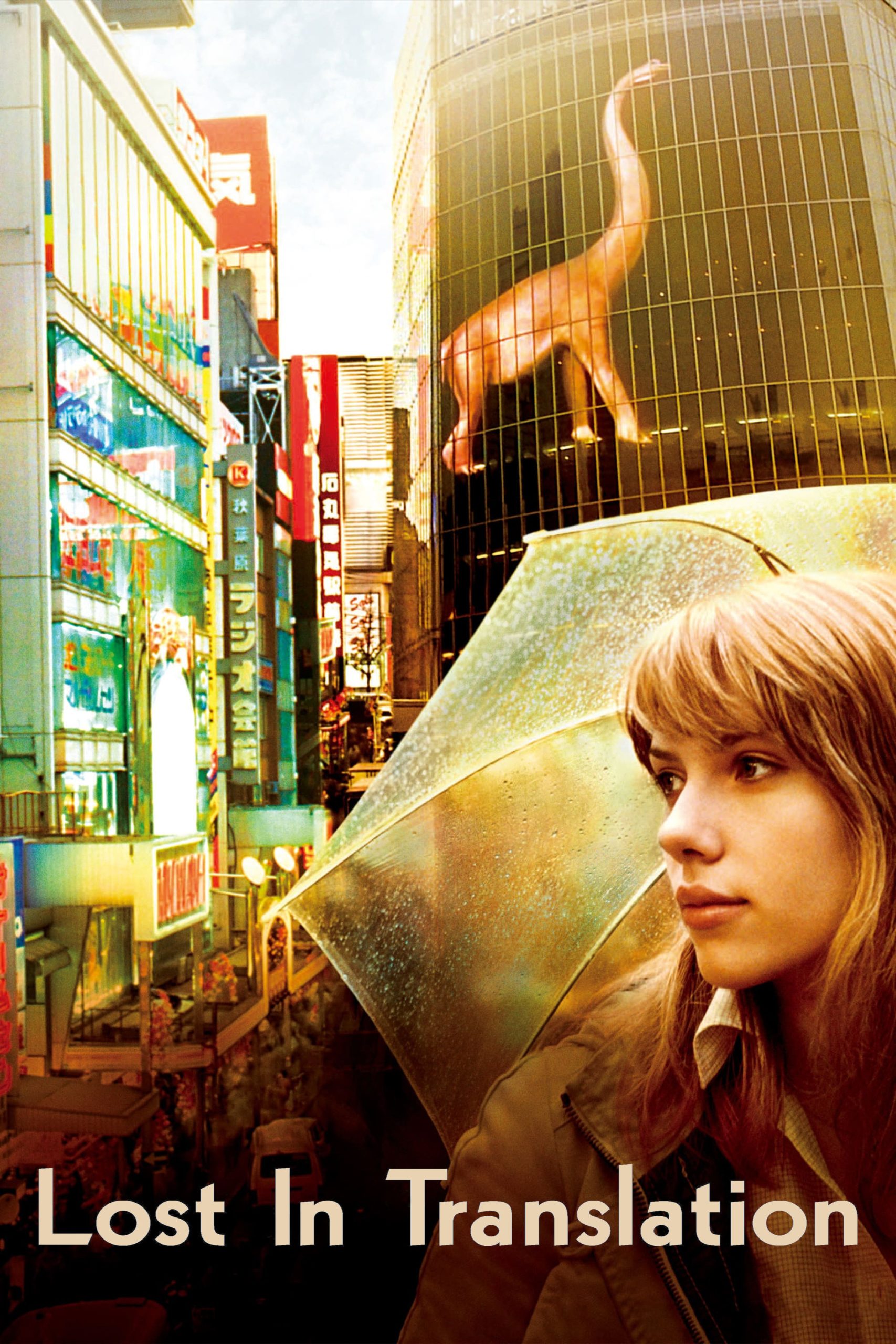
For years, my memories of “Lost in Translation” have surfaced unexpectedly—on gray mornings, or those jetlagged afternoons when the world feels muffled and half a step out of sync. The first time I watched Sofia Coppola’s film, the image of a neon-lit Tokyo, buzzing outside hotel windows, felt uncannily like the sleepless cities where I’d wandered alone, uncertain but somehow comforted by anonymity. This film has always fascinated me because it crystallizes an emotion I seldom see onscreen: that beautiful ache of suspended connection, a longing that’s as profound when unspoken as when confessed. Rather than simply unfolding a story, “Lost in Translation” captures the fissures between self and other, place and belonging, with a delicacy I find almost hypnotic.
What the Film Is About
If I were to distill “Lost in Translation” into its emotional core, it is a film about two lost souls—the aging, sardonic actor Bob Harris and the quietly disoriented Charlotte—whose parallel alienations in a foreign country briefly align. This is not simply a tale of conventional romance; instead, I see it as an exploration of intimacy against a backdrop of estrangement. The central conflict isn’t the external chaos of Tokyo, but the inward tumult each character battles alone. Isolation and the struggle to be seen—these are the stakes. Their shared loneliness becomes a quiet lifeline.
What speaks most deeply to me is how the film refrains from offering easy catharsis. Both characters drift, looking for meaning as much as company. Rather than driving towards a tidy resolution, Coppola draws out the tension between desire for connection and the reality of impermanence. By the end, what matters is not what is said, but the resonance left behind—proof that for a luminous moment, two people were understood.
Core Themes
Alienation and cultural dislocation emerge as the film’s emotional DNA. While set in the dazzling, impersonal expanse of Tokyo, the story is not about culture clash in any cartoonish sense; it’s about the disorienting impact of being untethered. In 2003, when borders seemed more permeable and the world was negotiating new terms of global identity, this theme struck me as prescient. Today, in our even more connected yet somehow lonelier digital world, the aching disconnection of Bob and Charlotte is only more relatable.
There’s another, subtler current of identity in flux. Bob’s waning celebrity and Charlotte’s uncertain post-collegiate drift mirror moments in my own life when paths seemed undefined. The film captures the discomfort—and strange freedom—of inhabiting the in-between. In a society obsessed with productivity and certainty, “Lost in Translation” lingers in that unfinished space, daring viewers to be present with discomfort and incompleteness.
Symbolism & Motifs
Visual motifs thread the entire film, sewing together its emotional logic. None are more evocative to me than the glassy, impersonal surfaces—hotel windows, elevator doors, city reflections—which physically and metaphorically separate the characters from the world outside. The Park Hyatt’s sterile luxury becomes a backdrop for inner unraveling, a liminal cocoon suspended above the city’s pulse.
Another recurring symbol I can’t ignore is translation itself: not just the literal language barrier, but the untranslatable yearnings between people. Whether it’s Bob’s bewildered stints filming cryptic whiskey commercials or Charlotte’s attempts to make sense of Japanese ikebana, the impossibility of perfect understanding is a persistent ache. Ironically, it’s in those failures—in the silences and missed cues—that the truest connection grows.
Lastly, the motif of light and color casts its own commentary. The city’s neon glow evokes both disorientation and possibility, and Coppola’s dreamy palette blurs the line between real and imagined intimacy. Watching the film, it’s as if I’m suspended in a waking dream—a space where loneliness and hope coexist, neither resolved nor erased.
Key Scenes
A Whisper Goodbye: The Unspoken Farewell
If pressed to single out the film’s most haunting moment, I return again and again to the cryptic farewell between Bob and Charlotte on a crowded Tokyo street. The whispered words—inaudible to us, private to them—are the film’s ultimate act of intimacy and restraint. In a medium obsessed with big declarations and visible closure, this quiet scene honors the truth that some connections are beyond explanation. My own understanding of love and loss feels echoed in this withheld confession; its ambiguity makes it eternal.
Neon Reverie: Escape to the Karaoke Bar
The impulse for escape finds vibrant release when Charlotte joins Bob and her husband’s acquaintances in a night of karaoke. Their duet, set amidst lush pink and blue lights, is a moment of pure vulnerability—the first time these guarded characters risk being seen. The drunken swirl of music, laughter, and longing becomes a metaphor for their brief reprieve from isolation. This scene always reminds me that true connection often blooms in fleeting, imperfect moments rather than grand speeches.
First Morning: The Sleepless Hotel Encounter
Much earlier in the film, Bob and Charlotte’s tentative morning conversation in the hotel bar encapsulates the film’s delicate approach to intimacy. Their awkward banter, steeped in insomnia and jetlag, is rendered with such subtlety it’s easy to overlook. Yet it’s here, in these first, halting exchanges, that a fragile trust begins to flicker. To me, this moment embodies the risk of opening up to another person—even when the effort feels jumbled or futile.
Common Interpretations
Critics have long interpreted “Lost in Translation” as a meditation on cross-cultural encounters, midlife crisis, or even forbidden romance. Reviews often zoom in on the absurdity of the language barrier, or see the film as an elegy for Western malaise in an inscrutable East. While I think these angles have validity, I’m drawn less to the culture-clash reading and more to the film’s universal portrait of alienation. For me, Tokyo is not a mere curiosity, but a stand-in for any environment that amplifies our sense of being lost.
Another common thread is the film’s supposed ambiguity about Bob and Charlotte’s relationship. Does it skirt the edge of romantic transgression? Many viewers want a clear answer, yet I appreciate that Coppola refuses to reduce the relationship to a tidy label. Their bond transcends categories—it is friendship, solace, and perhaps a platonic love, unmarred by the world’s expectations. That ambiguity is not a flaw, but a rare respect for emotional complexity.
Films with Similar Themes
- Her (2013): Both films meditate on loneliness and connection in a futuristic world shaped by technology and displacement; Joaquin Phoenix’s search for meaning echoes Charlotte’s introspective struggle.
- In the Mood for Love (2000): Wong Kar-wai’s masterpiece deals with unconsummated longing and the ache of transitory intimacy, artfully paralleling the emotional restraint of “Lost in Translation.”
- Before Sunrise (1995): The fleeting encounter between strangers in a foreign city, brimming with unsaid hopes, feels spiritually akin to Coppola’s tale.
- Paris, Texas (1984): Wim Wenders’ film explores rootlessness and the search for communion across vast emotional and physical distances.
Conclusion
For those willing to surrender to its tempo, “Lost in Translation” remains one of cinema’s most perceptive studies of connection amid uncertainty. Rather than seeking answers, the film invites us to sit with ambiguity and savor the beauty in incomplete gestures. To watch it today is to recognize how fundamentally human it is to be lost, and how even a brief shared glance can realign our understanding of ourselves. By engaging with its themes—alienation, intimacy, and the grace of impermanence—modern viewers can uncover resonances that linger far beyond the film’s closing frames.
Related Reviews
If you found value in my perspective, you might also enjoy exploring my thoughts on other cinematic landmarks such as In the Mood for Love and Her.
To broaden this interpretation, you may also explore how critics and audiences responded over time.
🎬 Check out today's best-selling movies on Amazon!
View Deals on Amazon