
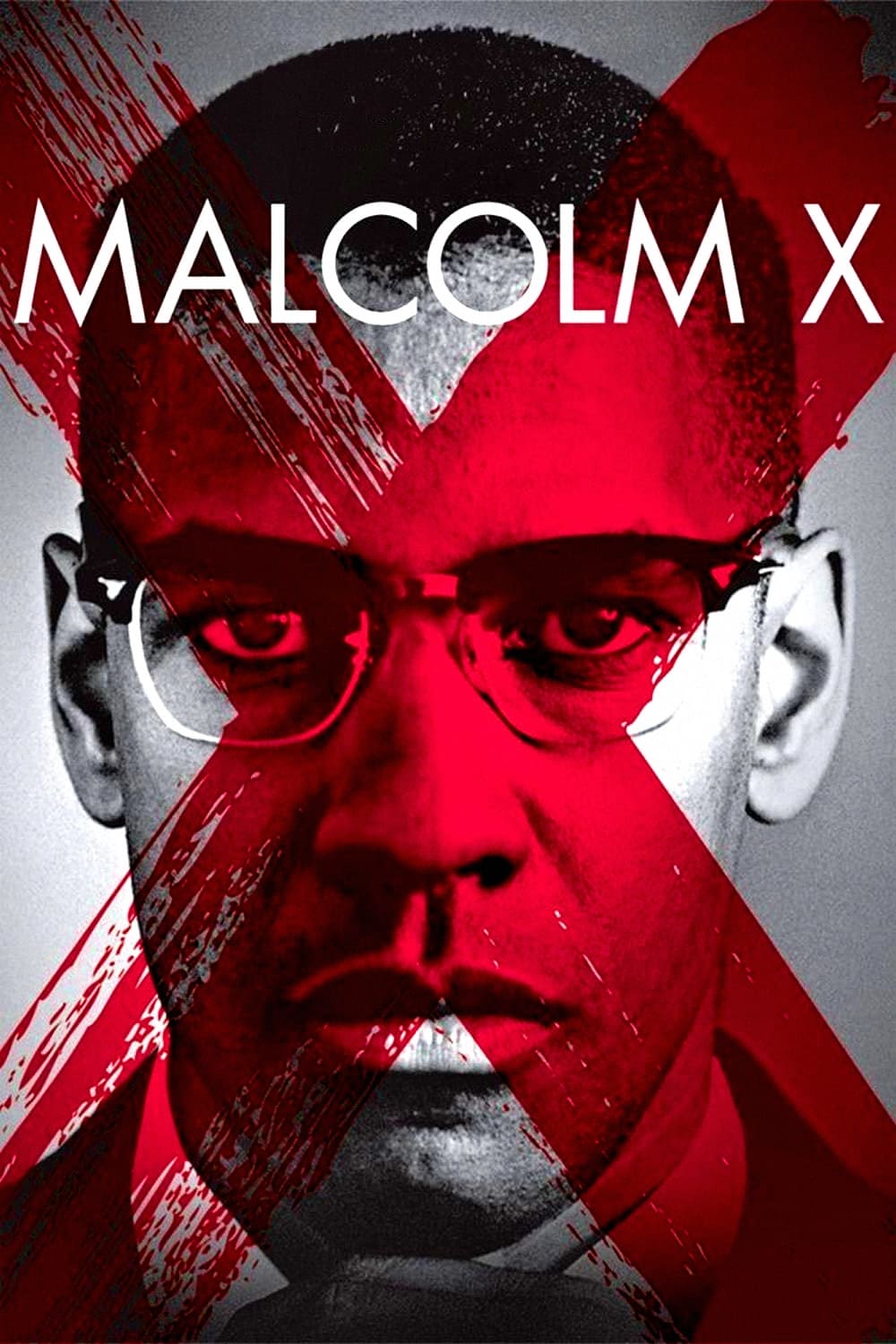
It’s rare that a film lingers in my consciousness not simply as cinema, but as an agonizing and electrifying monument to a person’s journey through fire. “Malcolm X,” directed by Spike Lee in 1992, hit me not with academic reverence, but a sort of jolt—I remember watching it in a crowded theater where the emotional weight was physically palpable. It was a personal confrontation with history, myth, and the limits of my own understanding of the American experience. Every subsequent viewing only amplifies this sense that the film isn’t a retelling, but a risky, stubborn act of resurrection.
What the Film Is About
At its core, “Malcolm X” traces the electrifying and controversial evolution of its eponymous figure from street hustler to militant intellectual to bridge-building martyr. For me, the narrative is less about biography and more about the wrenching transformations that define one man’s defiance in the face of historical currents—none of which offered simple answers.
What’s striking is how the film draws its emotional power not from platitudes, but from the mounting internal and external conflict that Malcolm embodies: his personal pain, his relentless search for dignity, his alienation, and eventual reconciliation with the idea of universal brotherhood. Spike Lee, never known for understatement, frames Malcolm’s journey as a tension between rage and transcendence—a deeply human story set against seething American backdrops. Every stage of Malcolm’s life becomes a mirror for the country’s own racial unrest and aspirations for justice.
To me, the film isn’t content to settle for easy hagiography. Instead, it invites a confrontation with the contradictions at the heart of American identity—with Malcolm himself embodying both the wounds and the hope of a country perpetually at war with itself. It’s that discomfort, that push and pull, which makes the film endlessly fascinating and relevant, rather than simply historical or inspirational.
Core Themes
What grabs me most each time I revisit “Malcolm X” is its unblinking meditation on identity: not just Black identity, but the way any identity is forged, battered, and remade under duress. Spike Lee refuses to see Malcolm as a static icon. Instead, he’s allowed—almost forced—to grow, to contradict himself, and to evolve. This dynamic approach feels urgent even now, in a time when identity politics and polarization are as charged as ever. What does it mean to be true to oneself? When does that truth serve a movement versus threaten it?
The film also takes a hard look at power—both its allure and toxicity. Malcolm is intoxicated by power (first criminal, then rhetorical, then spiritual) and ultimately learns that transforming society requires relinquishing ego and embracing solidarity, even with former adversaries. I find this especially resonant in a contemporary context, when public activism and leadership are scrutinized to the point of paralysis.
Lastly, “Malcolm X” is a treatise on America’s ability—and inability—to reckon with its legacies. Released in 1992, against the backdrop of Los Angeles riots and the Gulf War, the film’s questions about justice, violence, and redemption weren’t rhetorical then and remain raw now. There’s a palpable exhaustion and hope in the way the film interrogates whether a nation (or a person) can actually change, or if it’s doomed to repeat itself.
Symbolism & Motifs
Spike Lee packs the film with visual callbacks and symbols that both haunt and elevate the narrative. The recurring motif of fire—literally in the opening credits, where the American flag burns into the “X”—signals both destruction and cleansing, encapsulating Malcolm’s own cycle of destruction and rebirth. This volatile energy fills each frame, reminding me that nothing here is static, nothing resolved.
Clothing becomes its own code: Malcolm’s zoot suits and processed hair in the early reels give way to spare, dignified suits and, finally, the severe, ascetic garb of his Mecca pilgrimage. Through each costume change, I see not simply fashion, but the visible record of internal revolutions—how style and outward appearance can both shield and reveal one’s sense of self.
Another potent symbol is mirrors and reflections—Lee employs literal mirrors (in Malcolm’s prison cell, when he examines his own features) and metaphorical counterparts (Elijah Muhammad, Baines, and even the Black and white children at the film’s end). Watching these scenes, I always feel the question being turned on me: How do I see this man, this era, and thus myself reflected in it?
Key Scenes
The Fire on the Dance Floor: Birth of a Hustler
Spike Lee’s early depiction of Malcolm Little’s Harlem nightlife—full of energy, sex, and blinding color—feels less like expository background and more like an emotional rhythm that never leaves the film. Here, Denzel Washington’s performance pulses with bravado and desperation. This sequence isn’t mere setup; it’s a bold statement about the seduction and suffocation of escaping poverty by any means necessary. I read these scenes as warnings: the world Malcolm is trying to out-dance is always waiting to snatch him back.
The Epiphany Behind Bars: Spiritual Rebirth
For me, the heart of the film comes in the sparse, almost theatrical sequences set in prison. Lee imbues these moments with a sense of containment and possibility; the camera lingers on Malcolm’s physical isolation as he is introduced to the teachings of Elijah Muhammad. I’m always caught off guard by how suddenly Malcolm’s searing anger gets redirected—his literacy, his sense of order and purpose forged in a crucible of deprivation. The stark lighting and deliberate pacing here make this more than a plot point—it’s the core of what makes Malcolm X a living, breathing symbol of transformation.
Walking Towards Destiny: The Final Address
The final act of “Malcolm X” is, in my eyes, one of the bravest sections of American cinema—Lee resists easy martyrdom yet suffuses every shot with dread and inevitability. The climactic speech at the Audubon Ballroom, interspersed with wife and children, unfinished coffee mug, the slow gravity of impending finality—this is where Washington’s portrayal cracks into a performance of deep vulnerability, self-awareness, and exhausted defiance. The assassination itself is drawn out—not for shock, but as a meditation on historic inevitability. In these last moments, the film transcends biography and lands as a challenge: What now? Who stands up next?
Common Interpretations
Critical consensus often treats “Malcolm X” as a triumphant, if cautious, canonization of a radical figure whose story had long been glossed over or demonized by American cinema. Many scholars and writers praise the film for its monumental scope—Lee’s attempt to carve out a “Black epic” in a white-dominated tradition.
I understand that reading, but I resist the idea that the film is purely a hagiography or a four-hour lecture in social justice. For me, its true achievement lies in its refusal to be comfortable or consistently inspirational. Critics often focus on Malcolm’s transformation as a singular arc, while I see his story as constantly fracturing, always contested (even by himself). Yes, the film is a corrective, a long-overdue homage. But it’s also purposely messy—deliberate in its contradictions, and thus truer to the experience of navigating American history from the margins.
Some reviewers have chided the film for being too reverent or didactic, especially in the final act with archival footage and schoolchildren. Yet, I find these flourishes moving, if not provocatively manipulative—they serve not simply to inspire, but to demand audience ownership of the story’s unfinished business. The film doesn’t close a chapter; it explodes the book.
Films with Similar Themes
- “Do the Right Thing” (1989): Spike Lee’s own film, dissecting race, rage, and the cyclical nature of unrest, probes individual conscience in the face of collective violence, mirroring the racial and ethical dilemmas of “Malcolm X.”
- “Selma” (2014): Ava DuVernay’s portrait of Martin Luther King Jr. focuses on a different facet of activism, but both films meditate on the personal cost and evolving strategies of social justice leadership.
- “Ali” (2001): Though focused on the world of boxing, Michael Mann’s biopic parallels “Malcolm X” in depicting Black masculinity, transformation, and political consciousness. Malcolm even appears as a pivotal influence on Ali.
- “The Autobiography of Miss Jane Pittman” (1974): This narrative, which covers a hundred years of one Black woman’s life, engages with personal and communal reinvention in the face of American racial history—a sweeping survey like Lee’s own epic.
Final Thoughts: Why Malcolm X Endures
With each passing year, “Malcolm X” resists settling into the role of routine history lesson. I find that the film’s raw energy, visual bravado, and uncompromising meditations on change continually demand a fresh assessment. For modern audiences, the film is best experienced not as a finished biography but as a live question—one that asks what we’re willing to risk, endure, and imagine for ourselves and our society. In understanding its themes, one confronts the fragility and strength needed to build a truly just future.
Related Reviews
If you found value in my perspective, you might also enjoy exploring my thoughts on other cinematic landmarks such as “Do the Right Thing” and “Selma.”
To broaden this interpretation, you may also explore how critics and audiences responded over time.
🎬 Check out today's best-selling movies on Amazon!
View Deals on Amazon