
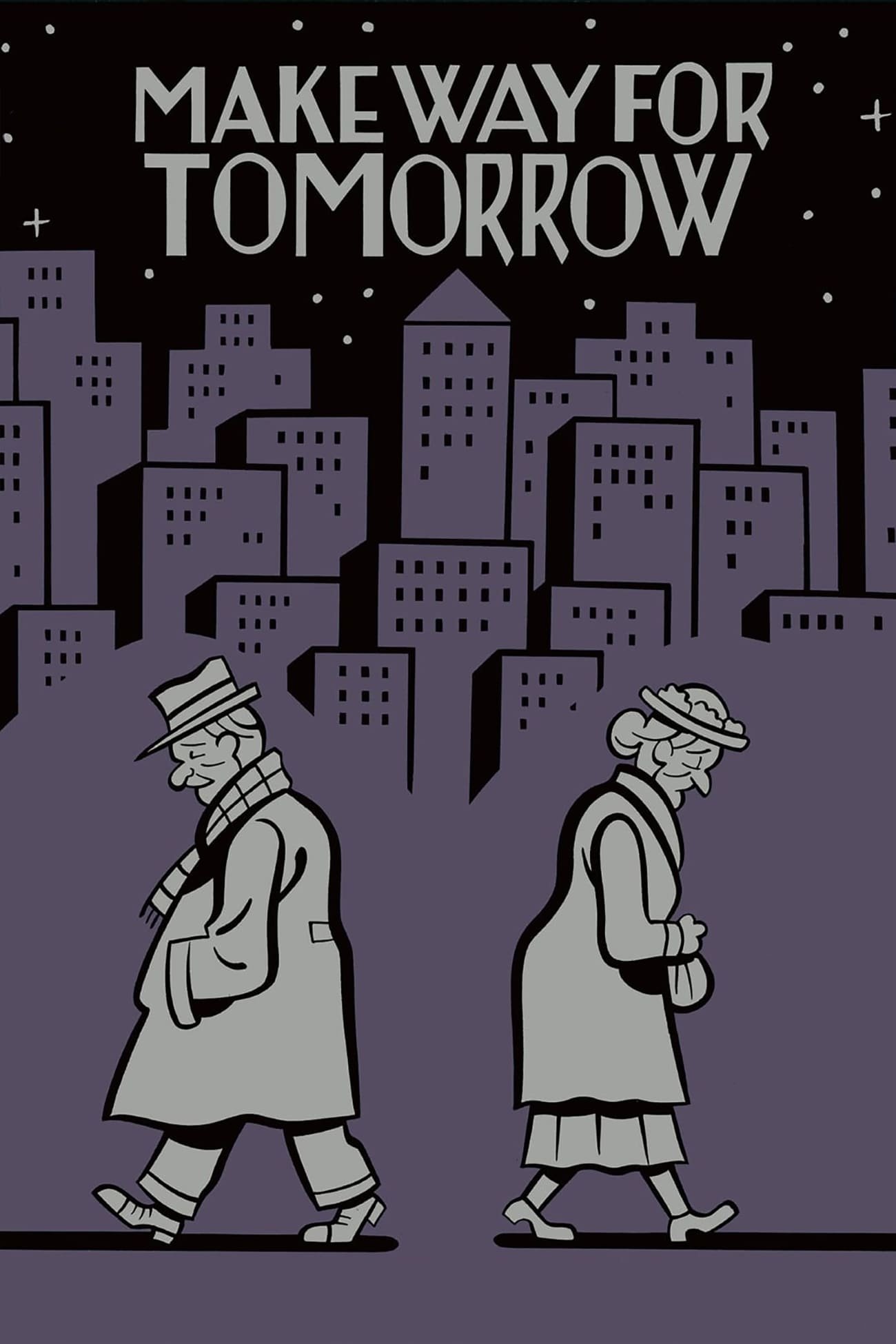
Watching Love Dismantle: My First Encounter with ‘Make Way for Tomorrow’
I don’t think I’ve ever felt so quietly devastated by a film as I did after my first experience with Leo McCarey’s Make Way for Tomorrow. I remember the sensation: not tears, not outrage, but a slow internal unmooring—a sense that something deeply human had been exposed, and that I wasn’t sure I wanted to look. What struck me most was how the film refuses to let sentimentality soften the rawness of aging, neglect, and familial obligation. Every scene feels like a gentle insistence that I watch as love and duty begin to pull apart, strand by strand.
The Dinner Table as a Battlefield
There’s a moment early on, as the parents—Bark and Lucy—gather with their grown children, that the dinner table becomes almost a battleground of shifting gazes and uncomfortable silences. I couldn’t help but see it as a microcosm of the film’s central dilemma: the family table, once a place of nurture, now turns into a space of negotiation, discomfort, and avoidance. The children’s unwillingness to provide a home for both parents is never shouted; it’s conveyed in awkward pauses, forced politeness, and half-finished sentences. Watching it, I realized the film’s power comes from its ability to reveal cruelty in the mundane, everyday choices—not in grand, villainous gestures.
Small Kindnesses, Large Betrayals
I was haunted by the way Make Way for Tomorrow weaves together fleeting moments of tenderness with larger acts of abandonment. Lucy’s gentle reassurances to Bark, or Bark’s quiet dignity as he tries not to burden his children, feel achingly real. The film seems to ask: can small kindnesses ever really atone for large betrayals? I kept looking for redemption, expecting a turn toward reconciliation or understanding, and instead was met with a kind of resigned honesty. The characters’ inability to express their true feelings—whether out of pride, shame, or habit—became, for me, a far more damning indictment than any explicit cruelty could be.
The Sound of a Clock Running Down
McCarey lingers on ordinary sounds: the ticking of clocks, the clatter of tea cups, the muffled bustle from another room. I began to feel that every second on screen was counting down toward a rupture that everyone could sense but no one wanted to name. Time in this film isn’t just a backdrop; it’s an antagonist, a relentless force that strips away comfort, autonomy, and dignity. The slow passing of time, and the way the characters try to maintain routines, becomes unbearable—each moment underscoring just how little they are truly seen or heard by their own family.
Public Spaces, Private Grief
It’s during Lucy and Bark’s final day together—wandering the city, visiting old haunts—that I felt the film’s full weight settle in. The world around them, bustling and indifferent, makes their isolation all the more poignant. Public spaces become almost sanctuaries, offering the couple a fleeting sense of belonging that’s denied to them in their own children’s homes. I was reminded that old age, as the film presents it, is not just a private sorrow, but a social failure—a collective inability to honor the past without sacrificing the present.
Refusing Sentimental Consolation
One of the most arresting things about Make Way for Tomorrow is how it steadfastly avoids offering comfort to the viewer. Even as Bark and Lucy share a bittersweet farewell, the film doesn’t soften their goodbye or suggest it’s anything less than final. There’s a radical honesty here—a refusal to let sentimentality distort the complexity of familial love and disappointment. I found myself searching for some hint that things would work out, some reassurance that love endures in spite of all. Instead, McCarey gives us two people who have loved well, and are now being quietly, relentlessly left behind by everyone else.
The Weight of Unspoken Words
I was acutely aware, throughout the film, of all the things left unsaid. The children circle around their guilt but never face it directly; Lucy and Bark rarely articulate their heartbreak, relying on coded phrases and glances. The unspoken in this film is thunderous—what isn’t said speaks louder than what is. I started to realize that the film’s emotional force depends on this economy of words—where silence becomes a space for denial, regret, and, occasionally, fleeting grace. It’s an experience that feels devastatingly real, as if I were eavesdropping on the private aches of people determined to keep their pain hidden.
Old Age as Exile
What lingers most, for me, is the sense of old age as a kind of exile—not just from home, but from the flow of everyday life. Bark and Lucy find themselves strangers in their own family, shuffled between households like burdensome objects. The film exposes the myth of the warm, multi-generational household and asks me to confront what really happens when love collides with the practicalities of economics, space, and emotional fatigue. In this world, aging is not just physical decline—it is a gradual erasure from the lives that once seemed to depend on you.
Lessons I Wish I Could Ignore
I left Make Way for Tomorrow with the uncomfortable sense that it offers no solutions, no neat moral lesson I can simply take and use. The film’s message is as much a question as it is an answer: What do we owe our parents? What do we owe ourselves? And how do we live with the gap between our ideals and our actions? I wish I could ignore the ways the film exposes my own evasions and failures to see the elderly in my life, but it won’t let me. Instead, it lingers, a quiet, persistent plea to notice, to care, to remember.
For Those Who Want to Go Deeper: Two Films I Recommend
If the emotional honesty and unflinching gaze of Make Way for Tomorrow resonated with you, I urge you to seek out Tokyo Story and The Crowd. Both explore the tensions between family, aging, and modern life in ways that are just as piercing—and just as quietly profound.
If you’re curious about how this film was originally perceived or how it compares to similar works of its era, these resources may be helpful.
🎬 Check out today's best-selling movies on Amazon!
View Deals on Amazon