
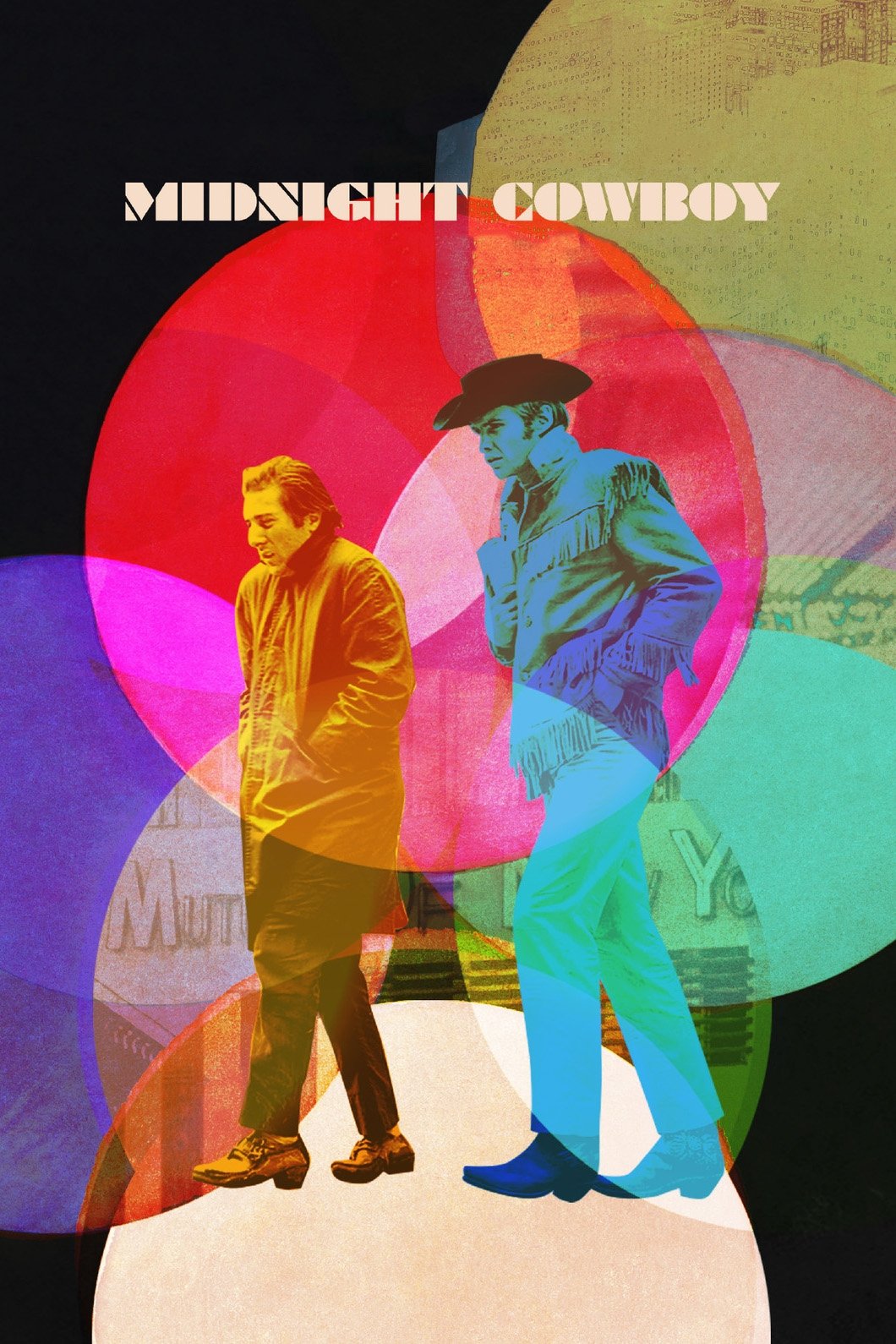
Scraping Off the Surface: The False Promise of Big City Dreams
I remember the first time I watched Midnight Cowboy feeling a strange sense of excitement, as if the film might lead me into the heart of New York’s pulsating glamour. But almost instantly, I realized the movie was turning my expectations on their head. The film is an x-ray of the American Dream, exposing the rot at its marrow. Joe Buck, swaggering into Manhattan with his cowboy hat and naive bravado, isn’t just a character—he’s an idea, one that withers under the harsh fluorescent lights of true urban life. I saw his optimism as both touching and excruciating, a self-deception that the city chews up without mercy. The allure of reinvention melts away, revealing how illusions are sustained by the people most desperate for them.
The Dirty Glow of Desperation: Loneliness as Urban Plague
What struck me most was how loneliness becomes the real protagonist. Every frame buzzes with the ache of isolation, whether Joe is drifting through a nameless crowd or huddled in an empty diner. It’s not the sprawling metropolis itself that isolates, but the way its people seem to move past each other in glass bubbles. I felt the psychic chill every time the camera lingered on Joe’s wide, hopeful eyes gradually narrowing into suspicion and fatigue. In New York, the film argues, anonymity can be more suffocating than any prison cell. The city’s incessant noise becomes a barrier, drowning out the possibility of genuine connection. This isn’t just a story of two losers at the bottom of society—it’s about the cruelty of a culture that confuses visibility with belonging.
The Odd Couple: Broken Men Clinging to Each Other’s Fragments
I can still see Dustin Hoffman’s Ratso Rizzo shuffling through the screen—a grifter whose bravado is so threadbare it’s almost translucent. I watched Joe and Ratso’s relationship unfold not as a buddy story, but as a slow negotiation of authenticity in a world that punishes honesty. Their interdependence isn’t romanticized; it’s marbled with resentment, need, and fleeting tenderness. What I found most honest was the way both men barter scraps of dignity for bits of affection. Ratso tries to play the con, but his frailty leaks through, making their rapport less about camaraderie and more about mutual survival. There’s a tragic beauty in how their failures don’t drive them apart, but instead tangle them together. The film’s most powerful statement is that intimacy, even when built on desperation, is a form of resistance against a world that wants to erase them.
Visual Grit: When the City Becomes a Fever Dream
Walking through the movie again in my mind, I’m always struck by how director John Schlesinger’s lens seems to sweat. The film’s visual style is grimy, unpolished—crowded streets, peeling paint, decaying rooms pulsate with a tactile griminess that never lets me forget where I am. This is not the New York of glossy postcards; it’s a mosaic of decay, lit by the flicker of neon signs and the dull gray of dawn. The frequent dream sequences—fragmented, sometimes jarringly surreal—show me that Joe isn’t just haunted by his past, but actively dissolved by it. The mixing of reality and fantasy fractures the surface of the narrative, making clear that trauma isn’t left in Texas, but follows and metastasizes. The city here is both physical and psychological, a labyrinth of memory, regret, and disillusionment.
The Currency of Bodies: Sex, Power, and the Search for Value
Every time Joe sells himself, the film forces me to confront an uncomfortable truth: in a culture obsessed with transaction, bodies become commodities long before souls do. Joe’s cowboy persona is itself a product—a performance tailored to seduce buyers, literal and figurative. Watching him stumble through failed hustles, I realized the film isn’t titillating; it’s a relentless reminder that power is always negotiating with vulnerability. The scenes of prostitution, far from erotic, are painted with shame, awkwardness, and the loneliness of desire without love. The film’s central tragedy lies in how need is exploited, and how affection is leased in temporary, humiliating transactions. There’s no glamour in Joe’s trade, just a mounting sense of futility. Ultimately, these encounters bare the hunger for intimacy, but only deliver emptiness.
Memory as Cage: Haunting, Trauma, and the American Imagination
I can’t shake the echo of Joe’s flashbacks—fragmented, feverish, lurking just outside the film’s present like a predator in the shadows. Midnight Cowboy insists that what we run from follows us. Joe’s psyche is riddled with wounds: childhood abandonment, sexual violence, and the slow calcification of hope. These memories aren’t digressions; they’re the architecture of who he becomes in New York. I find it especially potent that the film refuses to let the past fade into the background. The American obsession with reinvention is shown as a myth, because no one crosses state lines truly unburdened. The ghostly flashbacks attack Joe’s cowboy fantasy from within, undermining every attempt at self-fashioning. Trauma is not just a backstory—it’s the invisible gravity that shapes every choice.
Cold Comfort: The Price of Human Connection
The most emotionally bruising moments in Midnight Cowboy aren’t the explicit ones, but the moments of almost-connection—the scenes where Joe and Ratso reach for each other across the gap carved by shame. The film persuades me that tenderness is both precious and perilous. Joe’s raw attempts at caring for Ratso, especially as Ratso’s health unravels, are fraught with the knowledge that poverty allows for little mercy. I feel the tension between compassion and self-preservation tightening with each scene. There’s something quietly heroic in the way both men keep trying, clinging to scraps of kindness even as the world looks away. Their bond, fragile and awkward, is what lends the film its bruised hopefulness. It’s proof that love, or something close to it, can grow in the unlikeliest soil.
The Final Ride: Death, Dignity, and the Mirage of Escape
On my most recent rewatch, the ending struck me with a new sense of fatalism. The Florida bus ride is so hopeful, so sunlit—yet so unmistakably a mirage. The dream of salvation flickers, then snuffs out. Ratso’s death in Joe’s arms is the emotional axis on which the film spins: it’s not just a loss, but a stripping away of all illusions. Joe, now without Ratso or the cowboy identity, is left with nothing but himself—which, the film suggests, may still be a beginning. The final image dares me to ask: What does dignity look like for those whom the world refuses to see? There’s no neat redemption, only the possibility that, even shattered, a person can walk into the light and start again.
If This Left You Raw: Two Echoes from the Shadows
When I think of films that stir the same bruised empathy and unvarnished realism as Midnight Cowboy, two titles always come to mind: Alice Doesn’t Live Here Anymore and The Panic in Needle Park. Both probe the loneliness of the American landscape with a similar blend of tenderness and unflinching honesty, illuminating the fragile hopes and hard-won connections of those we’re taught to overlook.
If you’re curious about how this film was originally perceived or how it compares to similar works of its era, these resources may be helpful.
🎬 Check out today's best-selling movies on Amazon!
View Deals on Amazon