
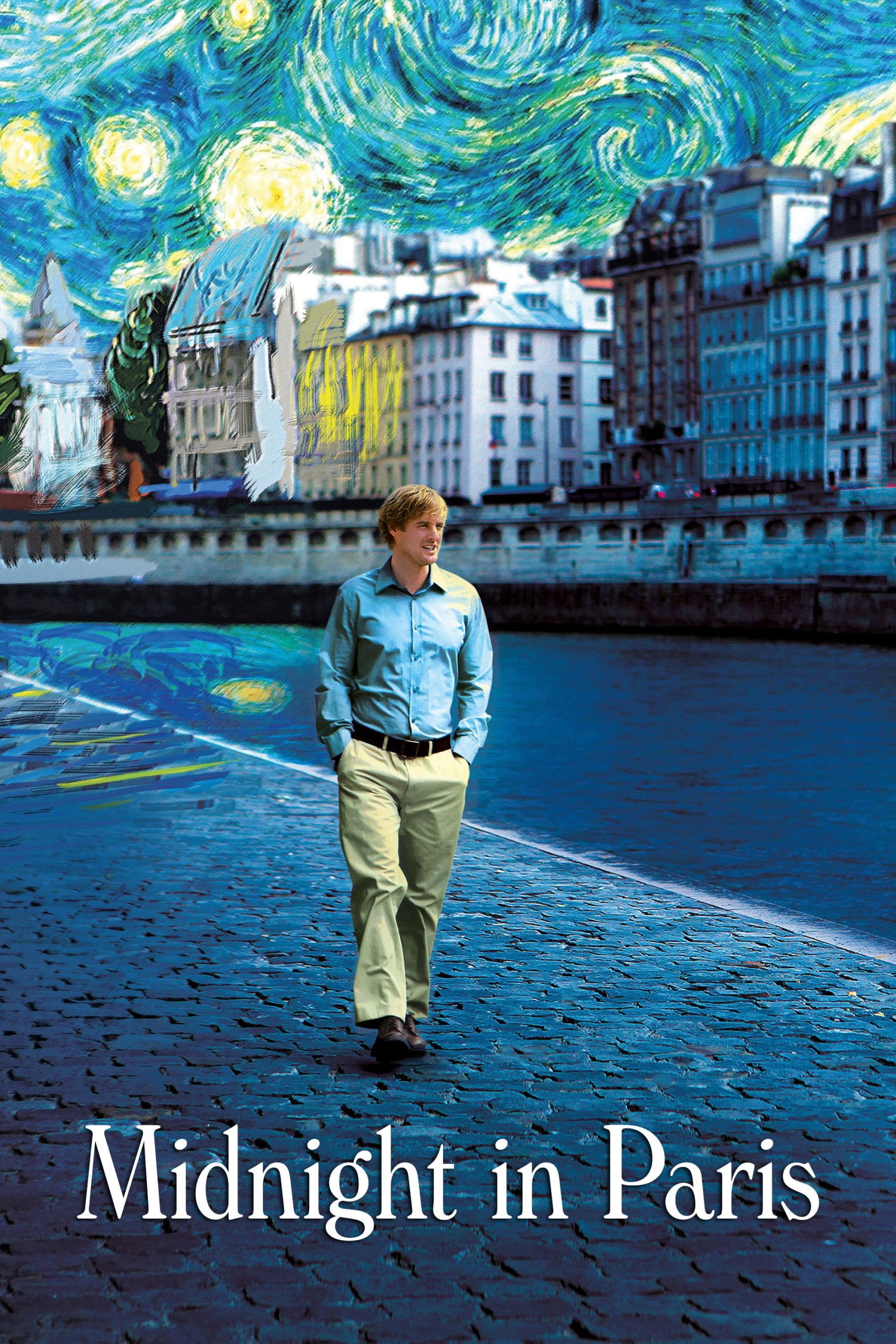
I have always been drawn to films that spark a longing for another era, a beautifully crippling nostalgia that feels somewhere between a blessing and a trap. My fascination with “Midnight in Paris” began on a rainy evening when, alone in my apartment, I found myself searching for a film that would both lull me into a dream and unsettle that dream with sharper questions. Woody Allen’s 2011 meander through Parisian fantasy felt eerily personal: not because I have roamed the Parisian boulevards of the 1920s (or even wanted to, consciously), but because I’ve so often flirted with the seductive idea that some other moment in time must be more vivid, more real, than the present. “Midnight in Paris” unfolded like a secret invitation to ponder why and how we mythologize the past.
What the Film Is About
At its shimmering heart, “Midnight in Paris” is a story about yearning: not merely for a place, but for a time—an era gilded by the warm glow of nostalgia and the illusions it breeds. The protagonist, Gil Pender, is a Hollywood screenwriter who aches for something more substantive, desperately seeking meaning in both his creative work and personal life. But as I watch Gil wander through lamplit streets and tumble into a fantastical Paris of the 1920s—populated by his heroes like Hemingway, Fitzgerald, and Gertrude Stein—I sense the ache isn’t just his. It echoes my own, the universal hunger for a lost golden age where our ambitions might bear fruit if only we belonged there instead of here.
Gil’s emotional journey is fundamentally a quest for identity and authenticity—a desire to escape the superficiality of his present (mirrored by his fiancée and her conservative parents) by embracing the artistic and intellectual ferment of a romanticized past. The central conflict emerges not from external obstacles but from within: the battle between nostalgia’s comfort and the pain of accepting the present’s limitations. To me, the film isn’t just about a man traveling through time, but rather about a man facing the hardest detour of all—coming to terms with who he really is, and meeting himself at last in the streets of today.
Core Themes
Few films have made me sit so uncomfortably yet affectionately with the idea of nostalgia as both a refuge and a trap. Woody Allen gently mocks, yet deeply understands, the impulse to believe that some other era would have solved all our agonies and creative frustrations. “Midnight in Paris” is not just a love letter to Paris or to modernism’s icons; it’s a measured elegy for the fantasy that life, or art, was somehow better before. The tension between romanticizing the past and embracing the ambiguity of the present is the core thematic engine that drives the film and keeps me thinking about it long after the credits roll.
I find this theme especially resonant in a world where we constantly curate our histories—on social media, through personal mythologies, in national narratives. In 2011, with technology accelerating our ability to both connect and escape, the film’s gentle challenge to the “golden age fallacy” felt especially timely. It’s a warning—wrapped in whimsy—not to abandon the possibility of happiness in exchange for dreams that may never have existed as we remember them. That message carries even more urgency today, as cultural nostalgia often doubles as a retreat from a confusing present.
Symbolism & Motifs
The midnight hour—when Gil is whisked away into his fantasy world—serves as a potent symbol of thresholds and transformations: the liminal space between dream and reality, between past and present, between who we are and who we yearn to be. This motif, repeated each night, underscores the ultimately self-imposed nature of his journey. Midnight becomes not just magical but bittersweet, a metaphor for the fleeting possibility to live one’s ideal life just out of reach of daylight’s truth.
Paris itself is rendered almost mythic, shrouded in golden light and rain-soaked reflections, a visual representation of longing and idealization. The city’s ever-changing yet eternal beauty becomes a canvas upon which Gil projects his insecurities and aspirations. The recurring motif of rain—initially viewed by Gil’s fiancée as a nuisance but cherished by Gil—signals not just a romantic cliché but an acceptance of melancholia as an integral part of beauty. Even the old cars that arrive to spirit Gil away are more than just vehicles; they are portals of desire, both literal and metaphorical—instruments by which he refuses, until the final act, to live in his own moment.
Key Scenes
Drifting into the Dream: Gil’s First Midnight Ride
There’s a hushed electricity in the first scene where Gil, inebriated and lost, is picked up at midnight by a glowing vintage Peugeot. The sense of awe and disbelief on Gil’s face—mirrored by the film’s lush cinematography—instantly blurs the line between reality and fantasy. For me, this scene is pivotal because it captures the intoxicating seduction of nostalgia in its purest form: the feeling that we have, at last, stepped into the very scene we have always imagined ourselves to belong to. It marks the moment where possibility becomes palpable, and that electrical anticipation lingers over the film ever after.
Confronting the Past: Gil and Adriana’s Shared Longing
When Gil meets Adriana, Picasso’s former muse, he finds a kindred spirit: she too longs for an earlier era, believing the Belle Époque superior to her own 1920s. Their trip further back into the 1890s is a quietly devastating revelation; both characters see their illusions reflected and undone. This is a masterstroke in writing and performance—because it shows nostalgia isn’t limited to the present looking backward, but is a recurring, inescapable pattern of dissatisfaction. This scene, shaded with irony and tenderness, is where the film’s central thesis quietly comes home for me: there is no golden age, only the dream of one.
Rain as Redemption: Gil’s Decision in the Final Act
The final sequences, where Gil chooses to remain in Paris, letting go of both his fiancée and his illusions, are bathed in a gentle rain. His walk with Gabrielle along the Seine, sharing an umbrella and a fondness for rainy nights, is not just the romantic wrap-up the genre demands but a visual confirmation that embracing reality requires a willingness to get wet—to accept both melancholy and wonder intertwined. This moment elevates the film from clever fantasy to wistful, emotionally resonant truth. It tells me, as the viewer, that the “present” is always waiting to bloom, if only we allow it.
Common Interpretations
Many critics latch onto “Midnight in Paris” as a playful, almost facile comedy—a cinematic “what if” where literary cameos and art-historical Easter eggs abound. It is true: the film teases and rewards cultural insiders who catch references to Hemingway’s terse bravado or Gertrude Stein’s earthly wisdom. Popular reviews also paint the movie as a gentle lampooning of those who fail to see the value in the present.
I understand these readings, but to me the film is far less smug than some detractors allege—and far richer than nostalgic tourism might suggest. The deeper ache of the film—its subtle critique of self-delusion—is what keeps me returning. Allen isn’t merely mocking nostalgia but warning against the emotional risks of refusing to live in our own time. The laughter is often tinged with sadness, and the fantasy is laced with a kind of subdued mourning for every era we’ve loved from afar but could never call our own. That ambivalence is what elevates the film into something gently profound for me.
Films with Similar Themes
- The Purple Rose of Cairo – Also by Woody Allen, this film explores the porous boundaries between fantasy and reality, with its protagonist escaping her present-day troubles by literally walking into a movie, paralleling Gil’s nocturnal journeys.
- La La Land – Both films combine romanticized cities (Paris/Los Angeles) with a meditation on the tension between nostalgia and accepting present-day realities in the pursuit of art and love.
- Hugo – Set in 1930s Paris, “Hugo” channels similar energies around the preservation of artistic legacy, the meaning of memory, and the allure of lost eras.
- Lost in Translation – While grounded in the present, Sofia Coppola’s film similarly interrogates alienation, longing, and the search for connection in a world that feels perpetually out of reach.
Approaching the Past with Open Eyes
When viewed today, “Midnight in Paris” offers a gentle reprieve from the cynicism of our present, even as it quietly challenges our most cherished illusions about the glory of “better days.” Modern viewers, especially those tempted by nostalgia, might find in Gil’s awakening a much-needed call to anchor their hopes and creativity in the here and now. I believe that by wrestling with the film’s themes, we learn not just about the cost of longing but the rare, delicate beauty of appreciating our present—even if it feels imperfect. The value of this film, to me, lies in letting ourselves be haunted by the past without being possessed by it.
Related Reviews
If you found value in my perspective, you might also enjoy exploring my thoughts on other cinematic landmarks such as The Purple Rose of Cairo and La La Land.
To broaden this interpretation, you may also explore how critics and audiences responded over time.
🎬 Check out today's best-selling movies on Amazon!
View Deals on Amazon