
Bruised Knuckles, Broken Dreams: My Journey Through Eastwood’s Tragic Ring
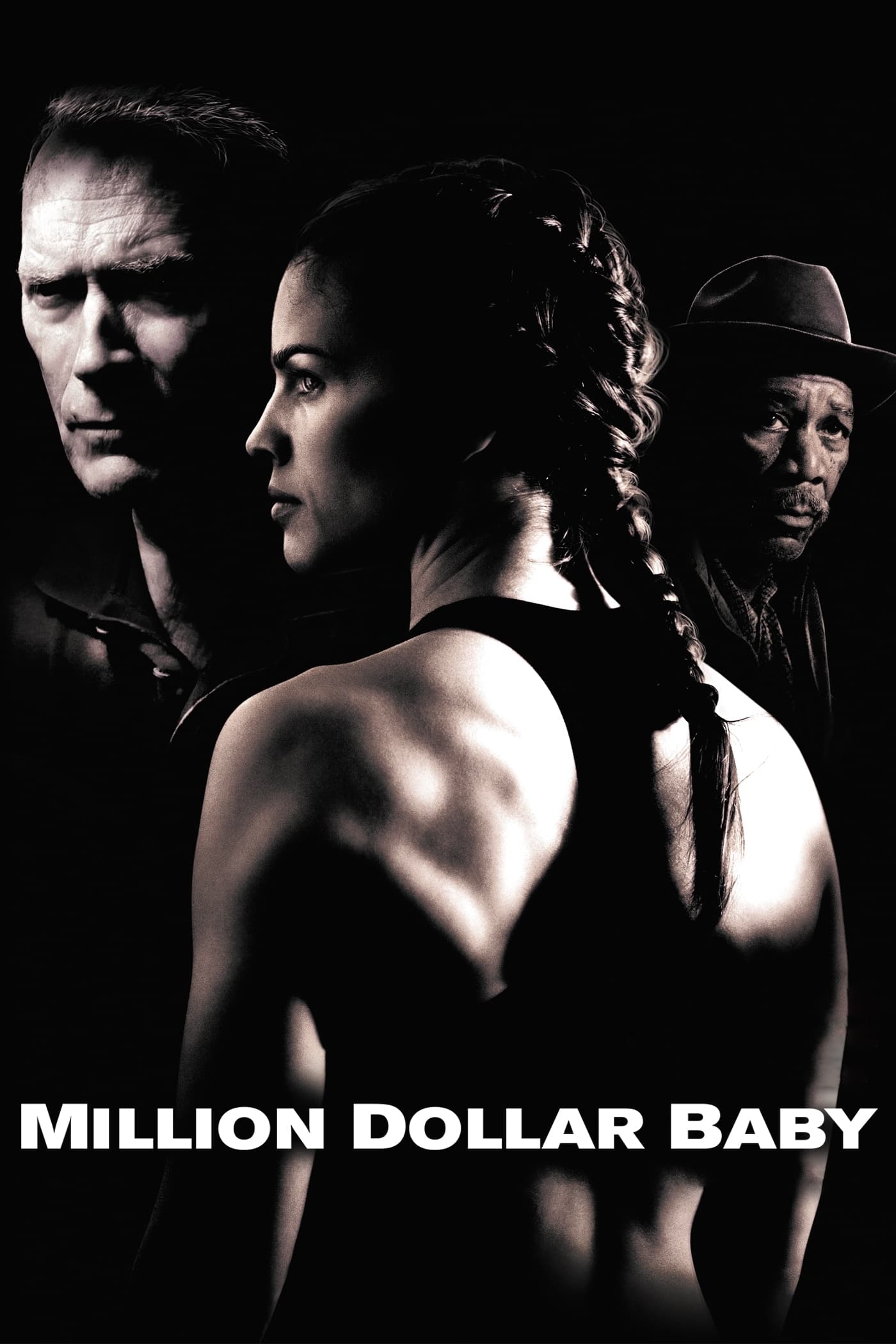
Whenever I revisit Million Dollar Baby, I don’t walk away inspired. I walk away unsettled, moved, and—most of all—haunted by a kind of moral ache that lingers in the marrow. Hollywood boxing films have always loved the bloodied underdog, but what Eastwood accomplishes here isn’t just a parable of persistence; he dives into the raw nerves of longing, regret, and the pain of loving someone with everything you have, even when fate is merciless. My reading of this film is a confession: the thing that’s unspoken in the ring is always far more brutal than any punch thrown.
Unspoken Bargains in the Gym’s Flickering Light
Every time I watch Frankie Dunn tending to his battered fighters in that dim, sweating gym, I’m struck by the kind of bargains we make with ourselves. Frankie’s world is built from doubt—his faith wavers, his relationships fracture, and forgiveness feels unattainable. The gym isn’t just a backdrop; it’s an altar where the characters make offerings of their hope. When Maggie Fitzgerald stumbles in—hungry for a shot, for meaning—she forces Frankie into a contract he’s terrified to sign. Their dynamic goes beyond coach and pupil; it’s a fraught, desperate bid for redemption. She wants to be seen. He wants one more chance to get it right. Together, they wager their hearts against the odds, knowing the house always wins.
What It Means to Fight When You’ve Already Lost
What gnaws at me most isn’t Maggie’s resilience but her stubborn resolve to claim her story in a world that’s already decided it for her. Maggie’s journey is not about victory, but self-invention—carving a legacy out of nothing but grit and longing. I sense in her every jab and bruise the echo of all the ways people like her are told to settle, to stop reaching, to accept invisibility. For Maggie, every round is a refusal. The tragedy isn’t the injury; it’s the realization that sometimes, the world doesn’t reward persistence. This film dares to say that willpower isn’t always enough, and sometimes the world breaks you no matter how hard you fight. That is an honesty that stings long after the credits roll.
The Language of Regret: Letters Never Sent
There’s a recurring motif that always catches my breath: Frankie’s letters to his estranged daughter. They’re never answered, and maybe never even opened. These unread letters are the film’s true ghosts, whispering regrets and missed chances. I see in Frankie a man who’s mastered defense, not just in the ring but in life. He hides behind routines, rituals, prayers, and silence, always slipping away from connection when it threatens to hurt. The tragedy is not just Maggie’s fate, but the years Frankie has wasted, unable to say what matters until it’s too late. The letters, yellowed and unopened, are the movie’s quietest and most painful punches.
Mercy, Power, and the Agony of Love’s Final Choice
No scene terrifies me as much as the hospital room—fluorescent, sterile, and humming with impossible choices. Here, the film’s real fight takes place: the battle between love and morality, dignity and despair. Watching Frankie weigh Maggie’s plea against every teaching, every belief he holds is to witness the agony of a love that destroys what it most wants to protect. To me, this is the film’s boldest move: it demands that we consider the ethics of mercy, the price of compassion, and the unbearable weight of granting someone’s final wish. Eastwood refuses to offer answers, and that’s why the film lands so hard; it is at once a eulogy and an accusation, asking where the boundaries of love truly lie.
The Gospel of Loss: Faith, Doubt, and the Long Night
Frankie’s Catholic rituals—mass, confession, the weight he gives to sin and forgiveness—thread themselves through every frame. But these aren’t just window dressing; faith in this film is a flawed grasping, an attempt to make sense of the senseless. I’m always struck by the film’s willingness to let doubt linger. Frankie’s prayers sound hollow, and when he finally acts in the hospital, there’s no certainty, only trembling. The film’s spiritual crisis is not solved; it festers, unresolved, in both the hero and the viewer. I see this as Eastwood at his most honest, offering no easy absolution—only the knowledge that sometimes, the answers we seek are far out of reach, and grace, if it comes, comes at a devastating price.
Hard Light, Soft Edges: Visual Language and Emotional Truth
What always stands out for me is Tom Stern’s shadowed cinematography—a world of muted palettes and hard edges, where every flicker of light is hard-won. Eastwood’s direction is as unyielding as his characters, stripping away sentimentality to leave only what matters. The battered boxing ring becomes a kind of purgatory, filled with sweat and tears, where dreams and bodies are both ground down. Even the tenderest moments—like Frankie’s simple act of feeding Maggie lemon pie—are shot with an unblinking honesty. The film’s look is a mirror of its themes: beauty found in suffering, hope glimpsed through pain. The camera doesn’t flinch, and neither do I as a viewer.
The Unforgiven Father: A Story of Second Chances That Never Arrive
I keep coming back to this notion of second chances, so central to the film. Maggie seeks one in the ring, Frankie with his daughter, Scrap through his friendships. But the truth Eastwood reveals is that some wounds never close, and some chances never return. The film is saturated with the ache of the unfixable. It’s a story about the courage to show up anyway, to love knowing you will lose, to fight even when defeat is certain. Million Dollar Baby isn’t a sports triumph or a lesson in perseverance; it’s a meditation on the ways we try—and often fail—to rescue those we care about from pain. The hardest fights are not won with fists but with forgiveness, and those battles seldom end in victory.
My Heart on the Canvas: Why This Film Refuses to Leave Me
I can’t put Million Dollar Baby away like any other film about dreams and failure. Every time, I’m left with the ache of unfinished business, the lingering questions I can’t shake. It is a film about the violence we inflict—on ourselves, on those we love, and on our own hopes. And yet, there is a fractured beauty in that violence, a strange mercy in the way two lost souls find each other, however briefly. Eastwood refuses to comfort us with platitudes or happy endings. He asks us to sit with the unanswerable, to walk out bruised but more awake. That’s what lingers—long after Maggie’s last breath, and long after Frankie vanishes into the shadows of an empty diner. The story is finished, but the ache remains. I wouldn’t have it any other way.
If You Want More: Two Films That Echo This Film’s Lonely Courage
Whenever I crave the same mix of heartbreak and grit that Million Dollar Baby delivers, two films come alive in my memory. On the Waterfront (1954), with its bruised souls and dockside battles, draws me in with its raw look at conscience and regret. And The Hustler (1961), through its smoky pool halls and broken dreams, captures the same spirit of battered hope and the cost of pushing past the limits of dignity. If you’re searching for stories that don’t flinch from pain or complexity, start there.
If you’re curious about how this film was originally perceived or how it compares to similar works of its era, these resources may be helpful.
🎬 Check out today's best-selling movies on Amazon!
View Deals on Amazon