
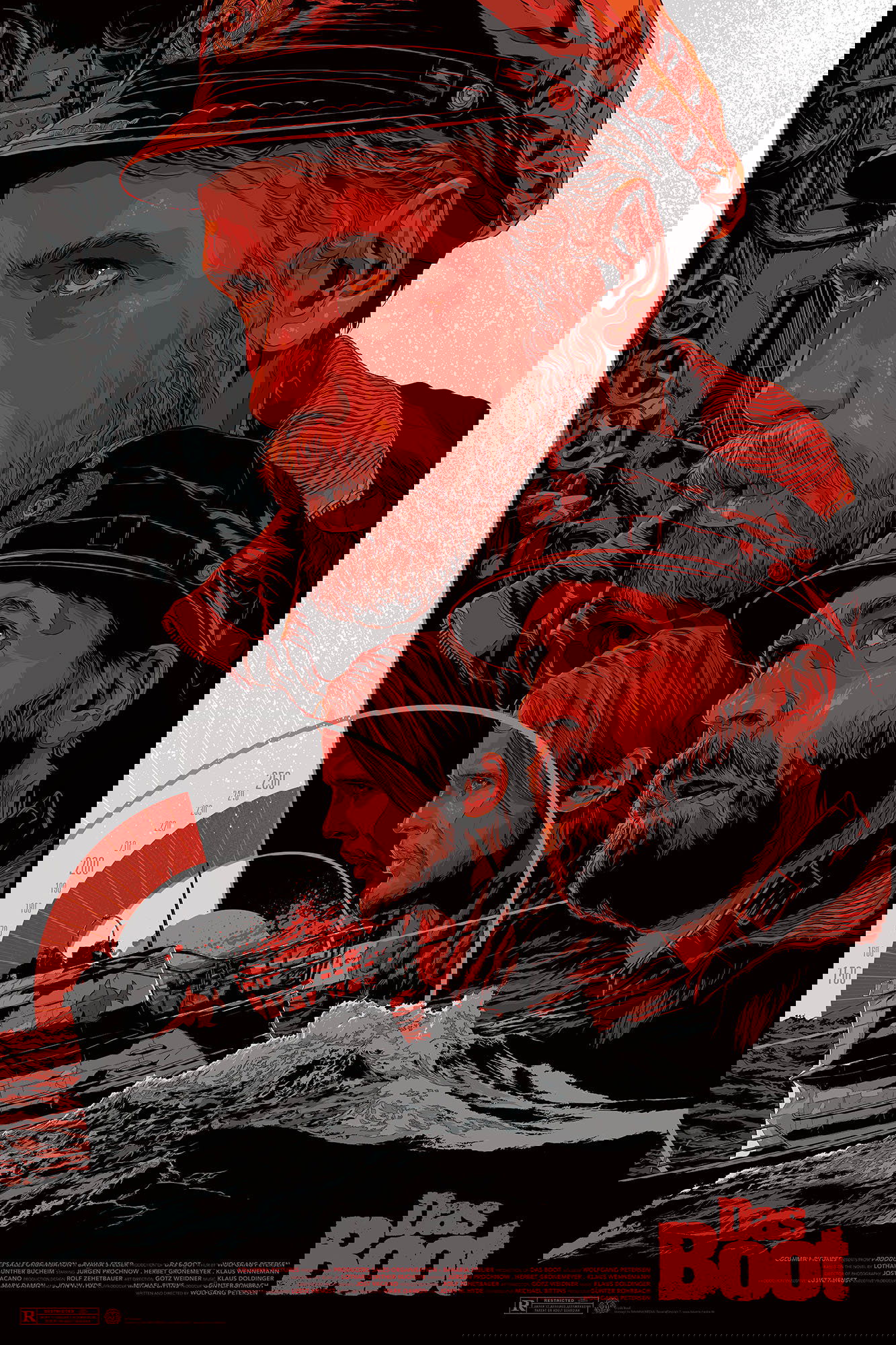
The Airless Pressure of Steel and Salt
From the first thrumming notes of that ultra-tense score, I felt myself sinking—not just into the seas with the U-96, but into the breathless, nerve-scraping claustrophobia of Das Boot’s world. I have never experienced any film in which the physical space—metal, sweat, recycled air—was so cruelly inescapable, so inextricably tied to existential dread. The submarine’s hull is less a setting than a kind of aquatic purgatory, a place where time thickens, nerves fray, and the line between duty and madness blurs. This is not a war story about triumph or defeat, but about the slow, relentless constriction of hope under pressure—literal and figurative.
The Human Face of “The Enemy”
One thing that haunts me about Das Boot is how it flatly refuses to mythologize its characters. These are German submariners in World War II, but their nationality is almost beside the point; what matters is how they are rendered as frightened, exhausted, deeply human men. The film is obsessed with exposing the fragility of ideology once actual survival becomes the sole focus. The captain—played with a quiet, haunted gravitas by Jürgen Prochnow—embodies this erosion: he’s too intelligent to cling to propaganda, too seasoned to indulge heroism. I found myself forgetting entirely about sides, uniforms, and politics, because the real drama is about whether the soul can stay intact under duress.
Machinery as Fate, Water as Judgment
There’s an intimate dance between the men and their submarine, almost as if they’re organelles inside some metal animal. Every bolt and valve becomes a harbinger of fate: will it hold under depth charge, will it fail, and with it, will they perish? No matter how well-oiled or expertly maintained, the U-boat is fickle—a vessel shaped as much by chance as by engineering. Water, too, is not just an environment but an antagonist, a force that judges and levels all. In every groan of the hull and hiss of leaking pipes, I sense that the ocean is utterly indifferent to human plans or glory. This relentless confrontation with technology and nature strips away illusions, leaving only raw animal fear and determination.
The Cruel Geometry of Duty
One of the film’s cruelties is its insistence on the circularity of orders and obedience. The men are ordered to kill, but also to die if necessary; their discipline is their dignity, but it is also their curse. “Das Boot” is ultimately about how the geometry of duty, once drawn, is impossible to escape. Each character negotiates compromise and resistance in his own way. The stoic chief engineer, the youthful war correspondent, the second-in-command—none are allowed the luxury of detachment. As they sweat and silently pray beneath the Atlantic, duty becomes a kind of madness, a fever that both binds and isolates them. I feel, watching, that the truest enemy is not outside the hull, but inside—the torment of knowing you might survive only to return to a world you no longer recognize.
Moments of Levity as Rebellion
I’m convinced that the film’s raucous moments—the drunken song, the banter, the brief flirtation with French girls during shore leave—are acts of rebellion, not mere color. These eruptions of laughter and lust are the only weapons the crew has against the dehumanizing monotony of war and the threat of annihilation. Rather than simply “lightening the mood,” such scenes are desperate assertions of selfhood: a reminder that, even in hell, men will claim their moments of joy and connection. When I watch them, I feel a complicated mix of grief and admiration. Laughter here is defiance against the inevitability of death, and its fleetingness underscores how little control the crew has over their fates.
The Cinematography of Confinement
Technically, Das Boot is a marvel, but the camerawork is more than a showcase of skill—it’s a tool of psychological torture and uncanny empathy. The camera doesn’t just observe the crew; it crowds them, stalks them. I can almost taste the stale air and feel the sweat sticking to my own skin as it moves with unnatural intimacy through corridors and cramped bunks. The perpetual sense of motion, even when the boat is still, becomes its own kind of suspense, a visual metaphor for the inability to ever truly rest or escape. The tight framing and restless tracking shots do not let us turn away from the consequences of this life—every expression, every tremor of fear, is thrust before us.
The Moral Undertow: War Without Romance
What I find most subversive about Das Boot is its utter refusal to grant the audience catharsis. There is no glory, no cleansing violence, no final assertion of justice or virtue. The film is pitiless in its suggestion that war is not a stage for valor, but a mechanism of attrition—on the body, on the mind, on the very concept of meaning itself. The closing moments, with their sudden, senseless violence, left me with a sickness in my gut. I realized that the film’s ultimate message is as salt-bitter as the water that threatens to drown the crew: no one leaves unscathed, and survival is sometimes a harsher fate than death. To persist is to reckon with the collapse of everything you once understood about purpose and belonging.
Haunted by Echoes: The Legacy of the Deep
Long after the credits rolled, I found myself haunted by the silence that follows the last explosion. This film lingers like a pressure wave, unsettling and unresolved, forcing me to confront the moral ambiguity of all war stories. Das Boot demands that we look at “the enemy” and see ourselves—not in their actions, but in their vulnerability and longing. In doing so, it quietly dismantles the comfort of distance and easy judgment. The submarine, for all its steel, is ultimately made of fragile men—and the sense of futility and endurance that binds them is both universal and deeply personal. In the end, “Das Boot” is not about who wins or loses, but about how close any of us can come to the edge and still recognize ourselves.
A Pair of Classics Worth Diving Into
If the relentless atmosphere and psychological focus of Das Boot resonate with you, I suggest immersing yourself in these two classic films that grapple with men pushed to the breaking point amid the machinery of war:
- The Wages of Fear
- The Bridge on the River Kwai
If you’re curious about how this film was originally perceived or how it compares to similar works of its era, these resources may be helpful.
🎬 Check out today's best-selling movies on Amazon!
View Deals on Amazon