
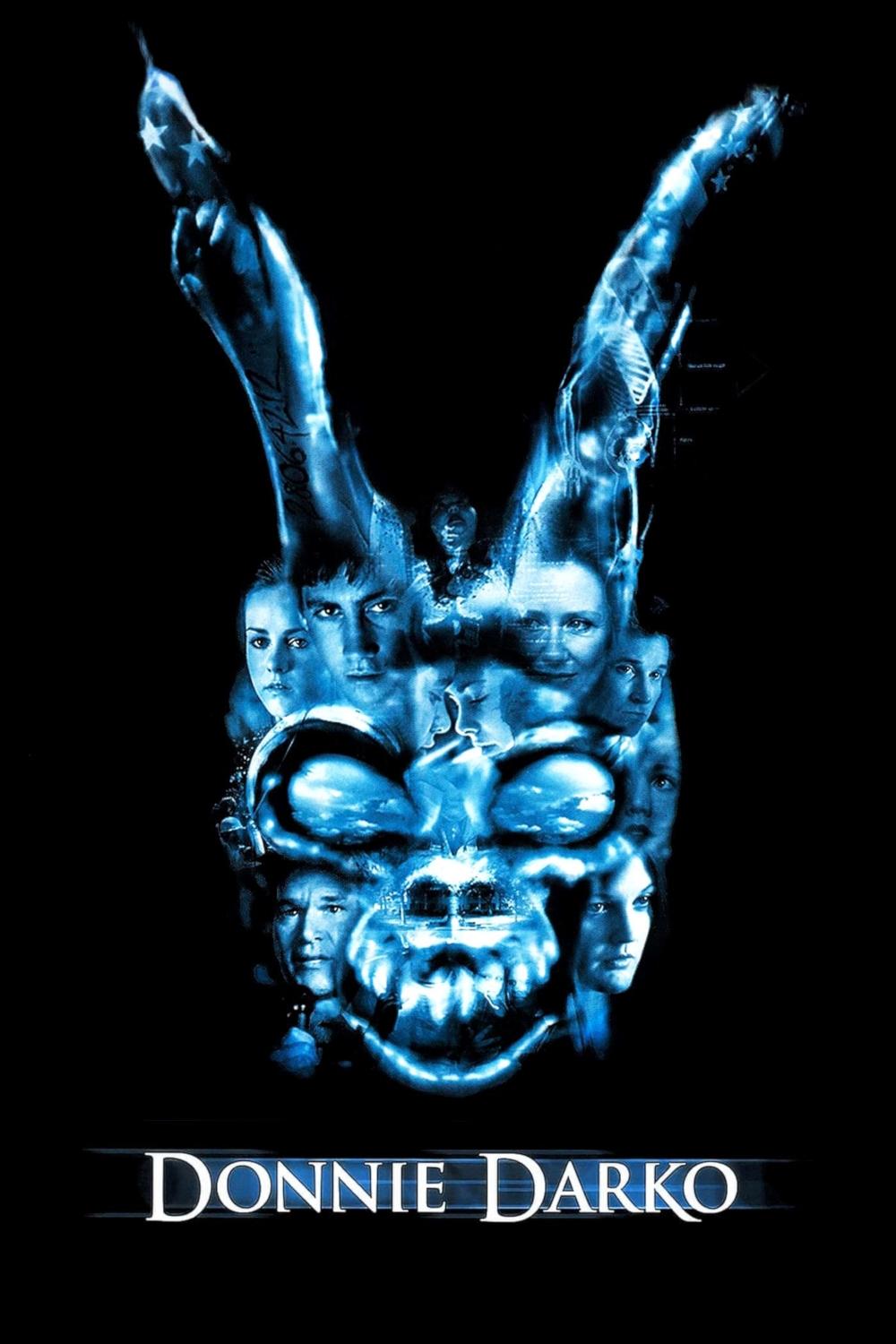
The Strange Gravity of Donnie’s World
I remember the first time I watched Donnie Darko: I felt as if I’d been dared to look into the abyss of suburbia and found something more cosmic than comforting. Most teen dramas deliver angst in packages that are easy to unwrap. This film, though, put a warped mirror before me, daring me to ask why normality feels so suffocating and what it means when the fabric of reality seems to thin at the edges. The film’s undercurrent isn’t just existential dread—it’s the search for meaning in a world that keeps shifting under your feet. The suburb where Donnie lives isn’t menacing because it hides monsters, but because it’s so close to what I know, and yet so deeply unknowable.
Frank: The Phantom and the Savior
Every time I see Frank—the menacing, rabbit-suited figure who haunts Donnie—I feel unnerved. He’s not just a hallucination; he’s an oracle and a paradox. Frank represents the inescapable collision of fate, consequence, and guilt. When Donnie follows him, it feels like a surrender to forces bigger than free will. Is Donnie mad, or has he glimpsed the machinery behind the day-to-day façade? Frank is the embodiment of that question: a being who brings both warning and destruction, a guide who may lead you to your doom, or to your salvation. And in Frank’s presence, the film’s central anxiety—a terror of randomness and destiny—becomes painfully palpable.
Time, Loops, and the Fractured Self
Time is not just a plot device in Donnie Darko; it’s the film’s true obsession. Time travel, tangent universes, and predestination are woven into the narrative not as sci-fi spectacle, but as metaphors for adolescent alienation and the agony of wanting to rewrite your own story. The idea that every choice might spawn a new universe scratches at a kind of existential rash: If every act splinters reality, are any of us ever truly at home in our lives? Donnie’s journey through the film is as much about his attempts to make sense of himself as it is about fixing the universe. The loops echo the cycles of self-questioning and regret that mark youth, and the film makes no promises about escape. Instead, I see it as a meditation on the beauty and terror of possibility itself.
Suburban Facades and Hidden Rot
On its surface, Donnie’s world is neat lawns and bland optimism, but I’m always struck by how little comfort these trappings offer. “Donnie Darko” exposes the rotting underbelly of American suburbia, that place where normality is performative and everyone’s quietly unraveling. The motivational assemblies, the self-help guru, the intolerant teachers—they’re all armor against the chaos Donnie senses beneath the surface. The film’s sharpest moments occur where these facades slip: a teacher risking her job for honesty, Donnie’s parents in rare flashes of vulnerability, a quiet scene in the kitchen punctuated by existential weariness. Every corner of the film insists that the greatest terror isn’t the end of the world, but the realization that everything you’ve been told is stable is just veneer, an eggshell about to crack.
Love as a Disruptive Force
What unsettles me most about Donnie’s romance with Gretchen isn’t its sweetness, but its inevitability—and the way it shatters Donnie’s numb routine. Love, in this film, is not a panacea but a destabilizer, a force that makes Donnie’s world both more meaningful and more dangerous. The relationship brings hope, but it also catalyzes disaster; Gretchen’s arrival sets off a chain reaction that leads to revelation and ruin. The film suggests that intimacy, far from being a safe haven, is what cracks open the world—allowing in pain and grace in equal measure. Donnie’s courage isn’t in saving the world, but in choosing to feel deeply, knowing it will hurt.
The Burden of Knowledge
I find myself haunted by Donnie’s growing awareness throughout the film—a sense that knowing too much can be both liberating and crushing. To see the gears turning behind reality is to lose the comfort of ignorance. Donnie’s readings, his conversations with his teachers, and his night wanderings all reinforce this: every answer leads to a more terrifying question. The film crystallizes an adolescent fear I remember well: that growing up means not just seeing the world’s darkness, but realizing you have to carry that knowledge alone. Donnie is both punished and elevated by what he learns, torn between the weight of his insight and the desire to be a regular kid.
Faith, Doubt, and the Search for God
One of the film’s most provocative threads lies in its indifference to easy spiritual answers. Donnie’s school, family, and community are rife with pop spirituality and empty rituals. The movie quietly interrogates what it means to seek God in a world that feels fundamentally broken. Donnie’s late-night conversations with his science teacher, his mockery of the self-help guru, and his angry, yearning prayers suggest a desperation to find order—or a benevolent hand—in chaos. What I take from this is less an answer than a question: is faith possible when the universe seems indifferent, when suffering feels arbitrary, and when every assurance is tinged with irony?
The Meaning of Sacrifice
By the time the final act unfolds, Donnie’s choices bring him face to face with the concept of sacrifice, but not as some sanitized act of heroism. His ultimate act is both tragic and transcendent—a gesture toward meaning in a world that rarely offers clarity. Watching him, I’m struck by the way the film avoids grandiosity; Donnie’s sacrifice isn’t about saving the world in a conventional sense, but about accepting the consequences of his knowledge, embracing pain, and allowing others to go on, even if it means erasing himself from their stories. That bittersweet acceptance, the willingness to embrace oblivion so others can remain untouched, lingers with me long after the credits.
Two Echoes from Classic Cinema
When I think of older films that echo the disturbances and ambiguities of Donnie Darko, two come readily to mind:
- Harvey (1950): James Stewart’s gentle, troubled outsider communes with an invisible rabbit, blurring lines between delusion and revelation in a way that feels surprisingly congruent with Donnie’s own experiences.
- Picnic at Hanging Rock (1975): This Australian classic similarly envelops the viewer in a dense, unresolved mystery, suggesting the limits of rationality and the ways in which the inexplicable shapes our lives and beliefs.
If you’re curious about how this film was originally perceived or how it compares to similar works of its era, these resources may be helpful.
🎬 Check out today's best-selling movies on Amazon!
View Deals on Amazon