
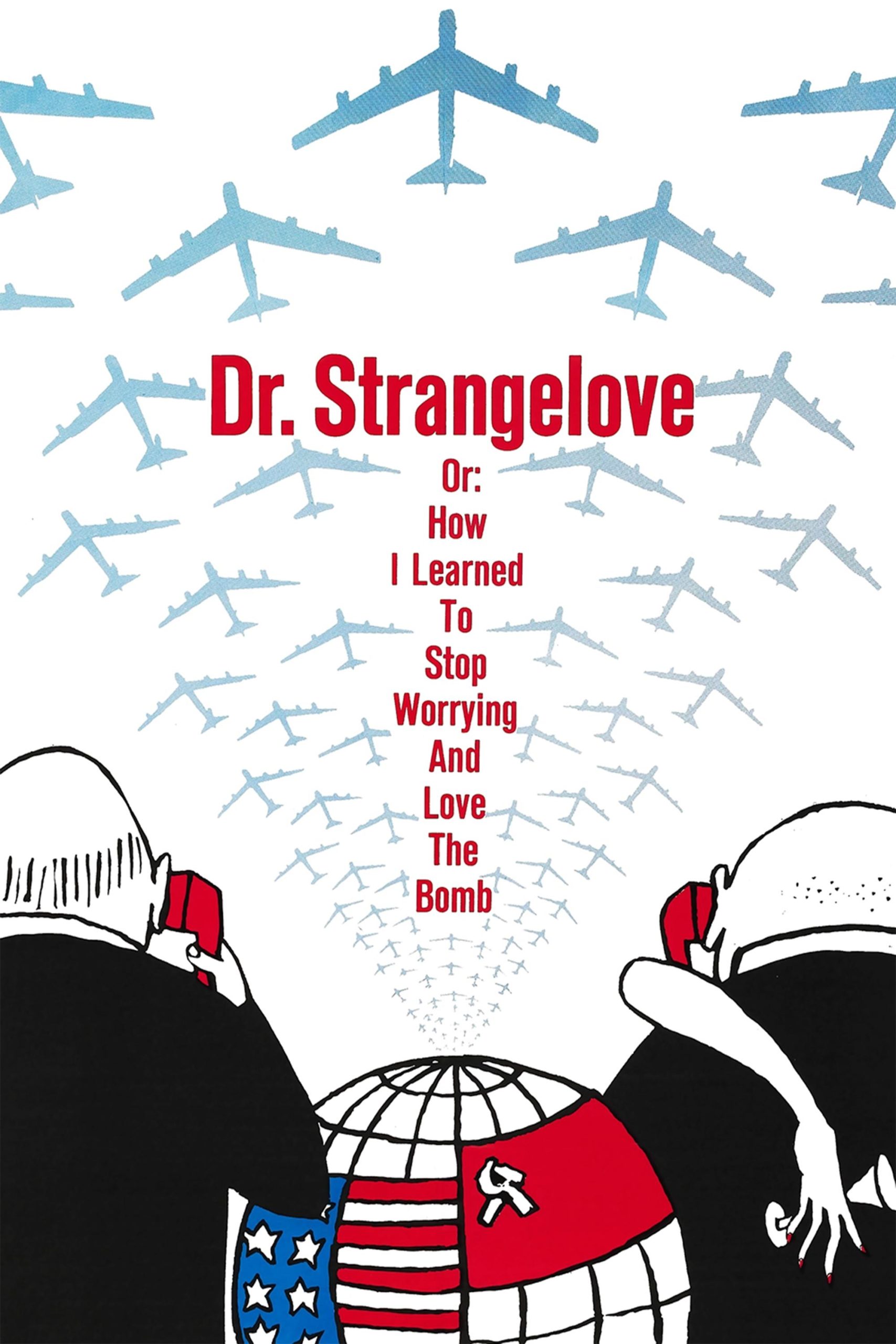
Riding the Bomb: My First Encounter with Kubrick’s Apocalyptic Satire
It’s impossible for me to forget the first time I watched Dr. Strangelove or: How I Learned to Stop Worrying and Love the Bomb. The opening notes of “Try a Little Tenderness” as bombers ominously dance through the clouds set off a strange shiver in me—a mixture of laughter and anxiety that’s never really left. This is a film that cornered me with its absurdity and left nowhere to hide from the sheer, idiotic terror of nuclear annihilation. Kubrick wasn’t just lampooning world leaders; he was dissecting the very structure of power and the fragility of survival, and he did it with a wit so razor-sharp that it almost feels like a warning disguised as farce.
Beneath the Laughter: Fear as the Engine of the Absurd
Every time I return to Dr. Strangelove, I realize how the humor is never just for its own sake. Kubrick weaponizes comedy, not to comfort, but to unveil the grotesque normalcy of living with the bomb. The film’s jokes are half a step away from hysteria—Jack D. Ripper’s obsession with “precious bodily fluids” is ridiculous, yes, but it’s also uncomfortably plausible in a world run by men drunk on their own paranoia. The laughter is nervous, a reflex against the terror that rational men could so easily become engines of apocalypse. The film’s famous ending—the cowboy astride the bomb, whooping as he falls—forces a grin even as the world explodes. For me, it’s Kubrick daring me to laugh at my own doom, and realizing I can’t help myself.
Polished Steel: The Visual Language of Paranoia
Every shadow in the War Room seems to stretch like the hands of a doomsday clock—long, cold, and accusatory. Kubrick’s camera, with its harsh lights and gleaming surfaces, turns the halls of power into a mausoleum. The sterile geometry of the sets, particularly the iconic round War Room table, doesn’t just look impressive; it emphasizes the cold detachment of those orchestrating world-ending events. I always find myself drawn to the distances between the characters at that table—their physical separateness mirroring their inability to communicate or empathize. The film’s insistence on wide shots and abrupt close-ups exaggerates the lack of control, the sense that the machinery of war has outpaced the men who built it.
The Cult of Authority and the Lunacy of Certainty
One of the film’s most unsettling undercurrents, for me, is its merciless skewering of those in command. Peter Sellers’ triple performance—as President Muffley, Group Captain Mandrake, and Dr. Strangelove—lays bare the thin line between competence, impotence, and madness. Kubrick suggests that authority is a kind of performance, a fragile mask worn by men who are as scared and fallible as anyone else. The President’s impotence in the face of impending disaster isn’t just comic; it’s a chilling echo of our own reliance on systems whose operators are no more rational than the rest of us. The film whispers that the most dangerous thing in the world is not the bomb, but the absolute certainty of those who believe they can control it.
Sex and Death at the End of the World
I can’t watch the infamous B-52 refueling scene—two planes coupling midair—without acknowledging the frank sexuality underlying so much of the film’s imagery. Dr. Strangelove is obsessed with the overlap between eroticism and annihilation, portraying war as a twisted expression of masculine anxiety and desire. General Buck Turgidson’s barely-concealed arousal at the prospect of total war, and Strangelove’s own uncontrollable arm, are not just gags—they expose the perverse energy fueling the nuclear arms race. Kubrick isn’t subtle: he’s saying that global annihilation and sexual insecurity are two sides of the same coin in the psyche of Cold War men.
The Strangelove Paradox: Technology, Humanity, and the Endgame
For me, the heart of the film is the character of Dr. Strangelove himself—half mad scientist, half grotesque survivor. He is the film’s final, most unnerving joke: the man who both understands and submits to the logic of the bomb. His infamous uncontrollable Heil salute and the phrase “Mein Führer, I can walk!” expose the inescapable legacy of fascism embedded in technocratic power. Kubrick warns that the tools we create to save ourselves can, without vigilance, become our prison. Strangelove’s mechanical hand is a symbol I can’t shake—it’s as though the machinery of war is pulling the strings, not the man himself.
Mutually Assured Delusion
If I had to distill what Dr. Strangelove is truly about, it’s the delusions that prop up the entire edifice of security and deterrence. Kubrick exposes the logic of “mutually assured destruction” as a thin, almost comic pretext for survival. The film’s climactic “Doomsday Machine” is the perfect metaphor: a device built to guarantee annihilation, rendered useless by the human need for secrecy and control. There’s a breathtaking bleakness in Kubrick’s thesis that the very systems designed to keep us safe are also the most likely to destroy us. My laughter gives way to a haunted aftertaste—Kubrick’s comedy is the shell game that hides, rather than soothes, our existential dread.
Echoes of Madness: Dr. Strangelove’s Enduring Question
What stops me in my tracks whenever I finish the film is Kubrick’s refusal to offer any comfort. There’s no hero, no hope, not a single moment where sanity prevails. Dr. Strangelove ultimately dares me to ask whether rationality is even possible in systems built on fear, secrecy, and power. The entire film is a Rorschach test: do I leave laughing, or shivering? Kubrick doesn’t care—he’s already shown me that, at the edge of annihilation, those two responses might be indistinguishable.
If This Nuclear Nightmare Resonates with You
When I crave the same cocktail of biting satire and existential anxiety, only a few films really satisfy. Two that I always return to:
- Fail Safe (1964) – A dead-serious companion to Strangelove’s black comedy, pulling no punches about the horror of nuclear error.
- The Manchurian Candidate (1962) – Political paranoia and psychological manipulation conspire to create a world as unstable as Kubrick’s, where trust is as dangerous as any bomb.
If you’re curious about how this film was originally perceived or how it compares to similar works of its era, these resources may be helpful.
🎬 Check out today's best-selling movies on Amazon!
View Deals on Amazon