
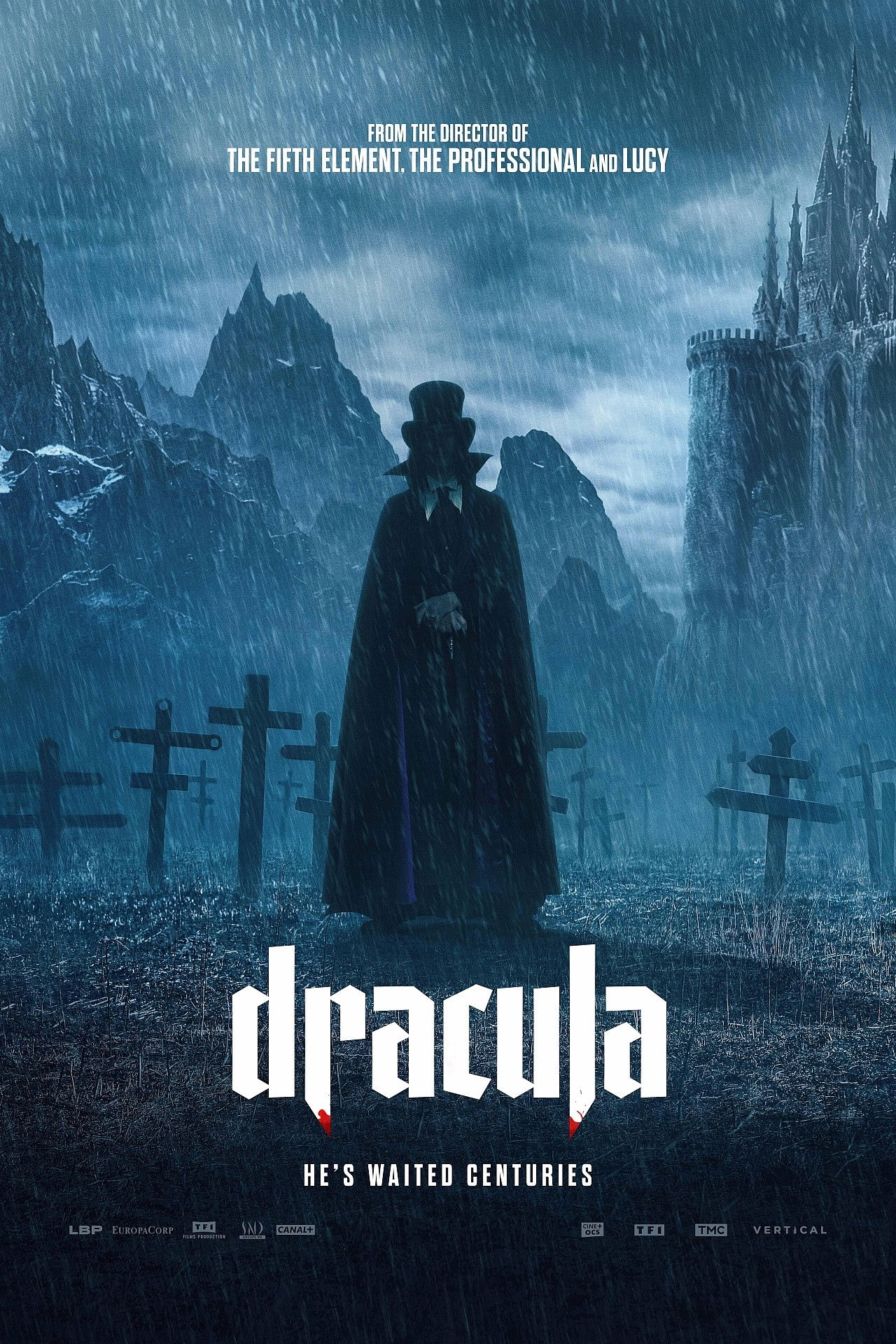
It’s always twilight—or perhaps eternal midnight—when I recall my first encounter with the luminous shadows of Tod Browning’s “Dracula” (1931). There was something almost sacramental about those initial moments: a cold living room, the television bathing the walls in the flickering gloom of black and white, and my own heart uneasily keeping tempo with Bela Lugosi’s hypnotic cadence. Unlike the bloody excesses of modern vampire tales, what seized me was the silence: a spellbinding hush, broken only by the promises and fears that Lugosi’s eyes seemed to conjure from across decades. This film is less a story and more a visitation—a haunting that lingers well past the credits.
What the Film Is About
At its core, “Dracula” is a collision of reason and superstition, the rational daylight of England besieged by the alien midnight of the Carpathians. The film orchestrates this confrontation less as a battle of good and evil, and more as a dance of seduction and violation. Whenever I watch it, I’m struck by how the narrative feels less like a chase than a slow unraveling; it’s as if every character is drawn inexorably toward doom, lulled by the Count’s velvet-smooth voice and unsettling gaze. Jonathan Harker, Mina, and Van Helsing are not simply protagonists—they are avatars for a society grappling with the invasion of something ancient and dark, a fear that progress alone cannot banish.
The emotional journey hinges on the powerlessness felt by those who encounter the vampire. Dracula is not just a villain; he is the manifestation of forbidden desires, the intrusion of primal forces into the ordered world. Each encounter with him is charged with a feverish anxiety—Mina’s slow, sensuous descent into vampirism isn’t just a horror trope, but a metaphor for intimacy and transgression. To me, the true conflict isn’t between Van Helsing and Dracula, but in the hearts of those seduced by that darkness, torn by yearning and revulsion in equal parts.
Core Themes
The idea of power—political, sexual, and supernatural—courses relentlessly through Browning’s “Dracula”. The Count’s entire being is an exercise in domination: he bends wills, crosses continents, and upends hierarchies with nothing but a whispered command. What I find remarkable is how the film takes this notion of power and entwines it with issues of identity and “otherness”. Dracula is undeniably foreign—every line delivery, every gesture, signals an outsider status. In a society simmering with post-World War I anxieties and economic instability, he is both scapegoat and seducer. For 1931 audiences, I imagine this was a potent cocktail: the fear of what lies outside the borders, and the lure of what is forbidden within.
These themes remain uncannily relevant now. In our own era of cultural unease, with boundaries both literal and figurative under assault, “Dracula” asks what we truly fear: the outsider arriving at our gates, or the darkness that responds to their call within ourselves? I return to the film often, searching for how it balances those tensions—never simplistically, but with a deep, sometimes uncomfortable, honesty.
Symbolism & Motifs
It’s impossible, for me, to discuss “Dracula” without invoking its potent array of visual symbols. The film is flooded with recurring images of thresholds—doors, windows, arches—that underscore the notion of invasion and permeability. Dracula is forever entering or inviting others to enter. It’s as if the film is obsessed with the act of crossing boundaries, literal and metaphorical. I often find myself fixated on the pronounced use of fog and shadow: these are more than just atmosphere—they are the mediums through which evil travels. Darkness isn’t just a backdrop, it’s an active participant—a living, breathing entity that seeps into every frame.
The motif of mirrors—specifically their conspicuous absence in Dracula’s world—serves as an unsettling commentary on self-reflection and visibility. By denying Dracula even the faintest shadow of himself, the film renders him endlessly enigmatic, impossible to pin down, and fundamentally unknowable. The crucifixes and garlic have become so conventional in vampire lore that it’s easy to forget how primal these ancient talismans appear here, charged with a both religious and psychological fervor. To me, there’s something moving—and slightly tragic—about how desperately the characters cling to these totems, as if warding off not just a monster, but a loss of self.
Key Scenes
The Arrival at Castle Dracula: An Invitation to Darkness
Every time I revisit the opening act, the coach’s journey through a mist-shrouded landscape remains one of cinema’s purest evocations of the uncanny. Harker’s mounting unease, the locals’ fearful whispers, and the castle’s looming silhouette combine into a tableau of dread. The very moment Lugosi utters “I am Dracula,” accompanied by the creak of ancient doors and a cascading staircase, is transcendent; it’s not just an introduction, but a threshold crossed for both character and viewer.
Mina’s Transformation: The Intimate Nightmare
For me, the quiet horror of Mina’s gradual transformation is the film’s emotional core. Her nightly trances and increasingly glassy-eyed demeanor are played with subtlety by Helen Chandler, evoking a tragedy that is as erotic as it is terrifying. In one particularly intimate scene—Mina, restless and wandering in her white nightgown under moonlight, seemingly both herself and a stranger—the film captures the exquisite pain of losing autonomy, of becoming something unrecognizable.
Van Helsing Confronts Dracula: Science versus the Supernatural
In the electrifying confrontation between Van Helsing and the Count, Browning orchestrates a symbolic battle between the rational world and the inexplicable. It is not merely a fight for Mina’s soul, but a struggle over the very definition of reality itself. I’m always transfixed by how Van Helsing’s clinical confidence falters, just for a moment, in the face of Dracula’s unwavering composure. The image of the crucifix forcing the vampire to recoil dramatizes a world gazing anxiously at its inability to banish chaos with reason alone.
Common Interpretations
Most critical readings of “Dracula” frame it as a parable of repression—a cinematic warning against unchecked desire and the dangers of foreign influence. Scholars often situate the film within the broader context of early 20th-century anxieties: immigration, sexuality, and the decline of old-world order. I recognize the validity of these perspectives, particularly given the film’s historical moment. Yet, what grips me most isn’t merely the allegory or the subtext, but rather the surface itself: the rhythm of speech, the choreography of gestures, the spaces between words. The film isn’t exclusively about what it suggests, but what it withholds, what it leaves unsaid.
For all its coded social critique, “Dracula,” in my experience, is at its most powerful when it surrenders to ambiguity. The longing and terror that Lugosi conjures seem almost to resist explanation, inviting not just interpretation but longing. Where some analysts see a culture in crisis, I see individuals—watchers and watched—caught up in a timeless seduction, one that resists tidy resolution.
Films with Similar Themes
- “Nosferatu” (1922) – Murnau’s silent masterpiece invokes the same interplay of forbidden desire and existential dread, using shadow and suggestion as its primary tools.
- “Frankenstein” (1931) – Released the same year, it grapples with outsider anxiety and the dangers of unchecked ambition, but from the perspective of a creation rather than a predator.
- “Let the Right One In” (2008) – While modern and Swedish, this film echoes Dracula’s meditation on intimacy, alienation, and the ethics of desire.
- “The Hunger” (1983) – Tony Scott’s stylish gothic romance reimagines vampirism as a metaphor for eternal lust, loss, and the corruption of time.
Conclusion
For today’s viewer, “Dracula” can seem distant—its silences, stylized performances, and theatrical sets evoking another era. Yet, I believe that only by letting the film breathe, by allowing its quiet dread and restless energy to settle into one’s bones, does its power become clear. The movie’s core anxieties—about belonging, desire, and control—have never left us; they simply take new shapes, wear new names. When we approach “Dracula” not merely as a period piece, but as a meditation on what it means to fear wanting (and to want fear), we unlock a dialogue with our own shadows.
Related Reviews
If you found value in my perspective, you might also enjoy exploring my thoughts on other cinematic landmarks such as Frankenstein (1931) and Nosferatu (1922).
To broaden this interpretation, you may also explore how critics and audiences responded over time.
🎬 Check out today's best-selling movies on Amazon!
View Deals on Amazon