
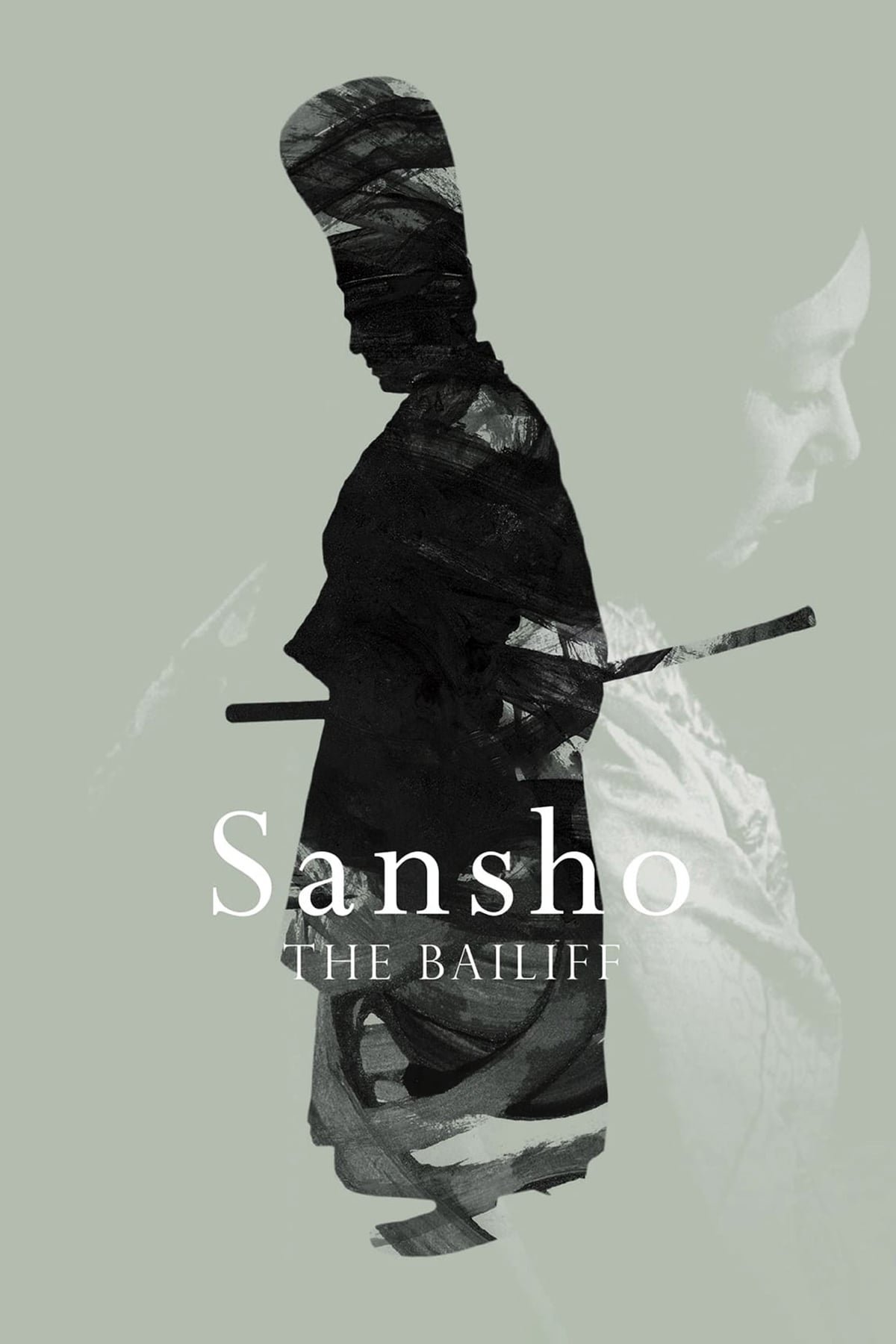
The first time I watched “Sansho the Bailiff,” I was haunted for days by the quiet devastation that lingers in every frame, a kind of sorrow that seeps into the bones and refuses to let go. This is not a film that shouts its message—instead, it whispers, mourns, and endures, leaving me with profound questions about suffering, compassion, and the possibility of human dignity amidst cruelty.
The Landscape of Grief: Nature as Silent Witness
From the first moments, I was struck by how Kenji Mizoguchi draws the landscape into the emotional world of his characters. The marshes, forests, and bodies of water do not simply set the scene—they serve as a silent, omnipresent witness to the pain and resilience of the film’s protagonists. There is a remarkable restraint in how nature is filmed, always present, yet never overtly romanticized or condemned. The camera lingers on reeds swaying in the wind, on water quietly rippling, as if the earth itself absorbs and echoes the suffering of the characters.
In this environment, humanity seems both infinitesimal and heroic. Every shot seems to pose the question: Does the world care for our suffering, or is endurance its own reward? For me, this tension underscores the film’s exploration of fate, as if reminding me that the moral horrors humans visit upon each other unfold in an indifferent universe, rendering acts of compassion all the more precious.
Threads of Compassion: Lessons From Tamaki and Zushio
The lesson of mercy, articulated simply by Tamaki—”Without mercy, man is like a beast”—echoes through the entire film like a chant, a warning, and a prayer. For me, it is the film’s moral axis. What stands out is how this mercy is not a naïve or impotent plea but a radical act of resistance. Tamaki’s insistence on kindness, even when facing degradation, is echoed in Zushio’s eventual transformation from victim to liberator.
The brutality that Tamaki and her children endure is relentless, yet Mizoguchi lingers equally on the moments where those subjected to oppression still choose compassion. There are no easy redemptions here—mercy is costly, and its preservation requires sacrifice. I found myself repeatedly asking, How does one preserve empathy when exposed to unending violence? The film suggests that even in the bleakest circumstances, the refusal to relinquish one’s humanity is itself an act of profound defiance.
Choreography of Suffering: The Body and Ritual in Captivity
Mizoguchi’s use of ritual, repetition, and the human figure is for me one of the film’s most elegant and disturbing strategies. The daily routines of the slaves, the methodical infliction of punishment, and the quiet rituals of defiance—each is rendered with a precision that borders on the ceremonial.
In the way bodies are framed, moved, and controlled, I see a meditation on the ways trauma imprints itself on the flesh. The act of branding Zushio and Anju is not just a punishment but a mark of ownership—a reduction of identity to mere property. I found the slow, nearly silent agony of these scenes more harrowing than any outburst. Yet, it is also through the body—through whispered words, furtive gestures, and ultimately, Anju’s self-sacrifice—that resistance is expressed.
For me, these moments underscore a paradox: The body, so easily wounded and subjugated, also becomes the site of endurance and profound meaning. Survival is not only physical but spiritual, embodied in acts of compassion and memory.
The Labyrinth of Power and Submission
Watching the ebb and flow of authority within Sansho’s estate, I was repeatedly drawn to the film’s ambivalence toward power. Sansho himself, austere and almost inhuman, embodies the system rather than merely executing its will. The rules, punishments, and social order he enforces are presented as mechanisms larger than any single individual.
Yet the film does not suggest that submission is inevitable or passive. Each act of acquiescence is shadowed by the possibility of revolt or escape. Zushio’s journey from submission to authority—first as a powerless child, then as a complicit adult, and finally as a reformer—mirrors the larger cycle of historical oppression and rebellion. I was fascinated by the subtle ways Mizoguchi critiques the structures of feudal Japan, exposing the corrosive effects of power even as he acknowledges its immense inertia.
For me, this creates a powerful ambiguity. The film questions whether it is possible to inhabit authority without betraying the ideals that inspired rebellion in the first place. Zushio’s struggle to enact justice while remaining true to his mother’s teachings is both a personal and a political dilemma that resonates far beyond its historical setting.
Anju’s Sacrifice and the Impossibility of Return
Among the film’s most shattering moments is Anju’s self-sacrifice. There is a stillness to her decision—a ritualized calm—that makes it all the more devastating. In Anju, I see the purest embodiment of the film’s tragic wisdom: that true mercy often demands the ultimate price. Her death is an act of both love and protest, opening the path for her brother but closing off her own future.
What lingers for me is the film’s refusal to offer consolation for this loss. Return, in “Sansho the Bailiff,” is always partial, always marked by absence. The home Zushio finds at the end of his journey is irrevocably changed, haunted by what has been lost. This sense of irreparable damage speaks to the deepest sorrow of the film: that the wounds inflicted by power can never be fully healed. Forgiveness and survival are possible, but the past endures as scar tissue.
The Art of Restraint: Mizoguchi’s Formal Mastery
It’s impossible for me to separate the film’s meaning from its style. Mizoguchi’s long takes and understated camera movements create a sense of inexorable tragedy, as if the camera itself cannot intervene or rescue. The absence of melodrama, the deliberate pacing, and the careful composition of each frame all contribute to an effect I can only describe as spiritual austerity.
There is a careful distance in the filmmaking, a refusal to manipulate emotion cheaply, that paradoxically intensifies the film’s impact. I found myself leaning forward, listening to silences, searching every gesture for meaning. The performances, too, are marked by restraint, especially in the way grief is internalized rather than expressed. Kinuyo Tanaka’s portrayal of Tamaki is a masterclass in quiet endurance, her suffering all the more powerful for its lack of spectacle.
This formal restraint, for me, is not just an aesthetic choice but a moral one. By refusing to sentimentalize suffering, Mizoguchi asks us to bear witness rather than consume misery as entertainment. In doing so, the film implicates me as an observer, challenging me to consider my own capacity for empathy and action.
The Mythic and the Mundane: Time, Memory, and the Shape of Loss
“Sansho the Bailiff” functions as both a myth and a historical tragedy. The events are grounded in a specific era—medieval Japan—but the story unfolds with archetypal simplicity, almost as if it were an ancient parable. This duality allows the film to address both the horrors of a particular time and place and the universal rhythms of exile, longing, and return.
Time in the film is fluid, marked by abrupt transitions and elisions. Years pass in moments, childhood vanishes, and loss accrues with inexorable certainty. For me, this sense of time serves to universalize the suffering depicted, transforming it from historical anecdote into existential meditation. The past is never truly past; memory is both a source of pain and a reservoir of hope. Zushio’s eventual reunion with his mother, marked by frailty and blindness, is deeply ambivalent: it is at once a moment of grace and a reminder of all that can never be restored.
The Ethics of Witness: What Does Compassion Demand?
What stays with me most from “Sansho the Bailiff” is not just the story or the craft, but the ethical challenge it poses. What does it mean to witness suffering—in art, in life—and what responsibility does that entail? The film demands more than sympathy; it asks for an active reckoning with injustice and the courage to preserve one’s humanity in impossible circumstances.
In many ways, the film feels like a quiet call to arms, not through grand gestures, but through the insistence that mercy is a radical, enduring force. To watch “Sansho the Bailiff” is to be implicated, to be asked: what would you do, and will you remember?
Films of Kindred Spirit: Two Echoes in Classic Cinema
- Ugetsu (1953)
- The Ballad of Narayama (1958)
If you’re curious about how this film was originally perceived or how it compares to similar works of its era, these resources may be helpful.
🎬 Check out today's best-selling movies on Amazon!
View Deals on Amazon