
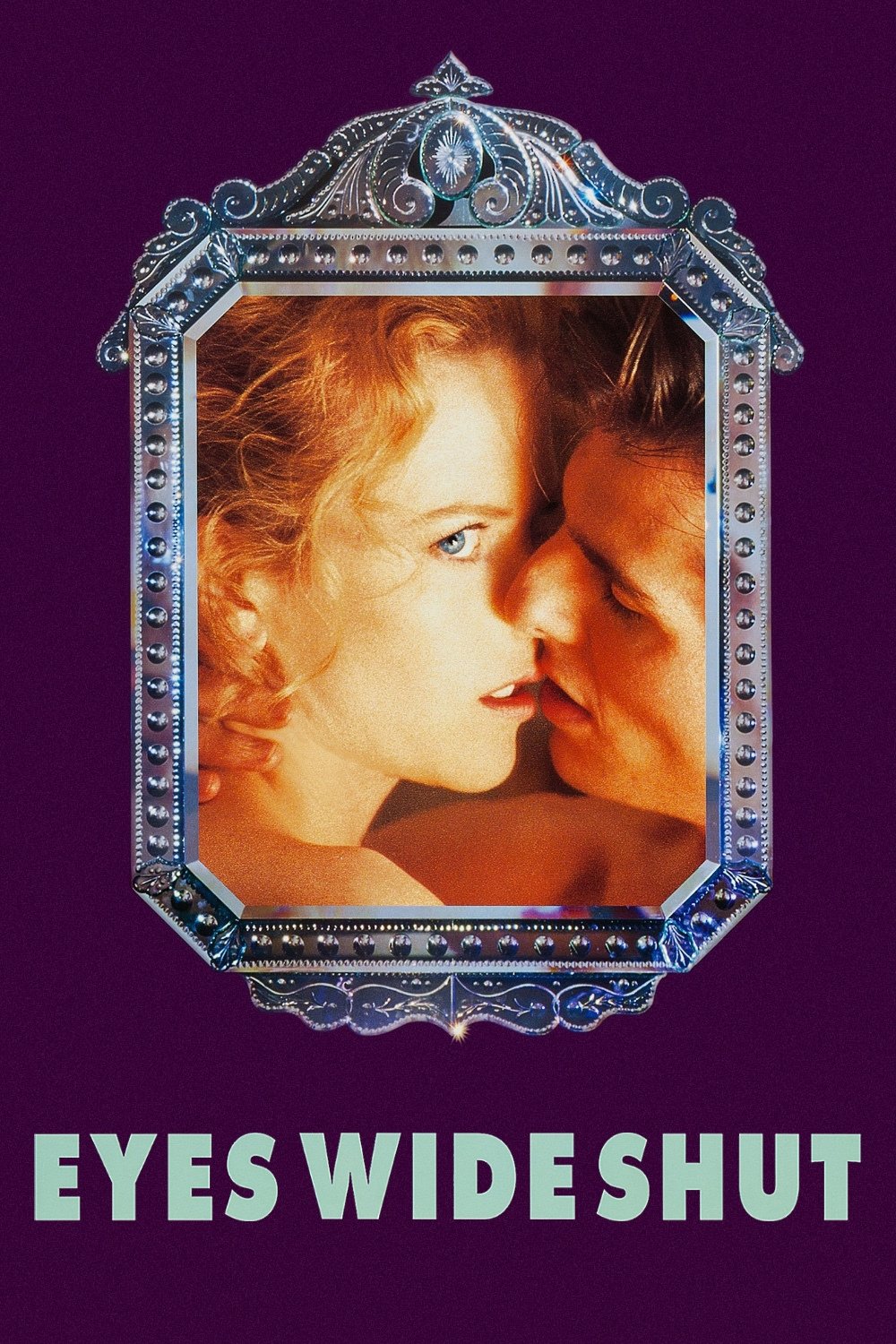
Haunted by Dreams: My First Encounter with “Eyes Wide Shut”
I walked out of the theater after watching Stanley Kubrick’s “Eyes Wide Shut” feeling like I had brushed up against something vast and unknowable—like I’d glimpsed a secret city behind ordinary life. It wasn’t just the dreamy haze of New York at Christmastime, or the shadowy masquerade ball that left its imprint. The film had a way of burrowing quietly into my mind, pulling at my assumptions about marriage, identity, and the boundaries of desire. What struck me immediately was how Kubrick sculpted an atmosphere where reality and fantasy bleed together, leaving room for both danger and revelation. I could sense that beneath the icy surfaces, every relationship, every conversation, every temptation was charged with a deeper yearning—one that refuses to settle for easy answers.
Desire’s Labyrinth: Navigating Hidden Longings
The first time I watched Bill Harford (Tom Cruise) drift through the film’s neon-lit cityscape, I realized I was less interested in the supposed mystery and more caught up in the way longing seemed to shimmer beneath every scene. Kubrick isn’t just showing us marital tension; he’s staging a meticulous ballet of unspoken desires and fears we’re taught to repress. Bill’s journey, set off by his wife Alice’s (Nicole Kidman) confession, isn’t really about infidelity. It’s about the shock of realizing that the person you love harbors secret fantasies—and that you do, too.
Every encounter Bill has on his nocturnal odyssey, whether with the flirtatious daughter of a patient or the enigmatic women at the masked ball, becomes infused with both possibility and peril. The film asks whether we ever truly know the people closest to us, or whether we are always adrift in our own labyrinths, projecting and misunderstanding each other’s deepest cravings. For me, this emotional ambiguity is the movie’s real core.
Masks, Mirrors, and the Uncanny Everyday
What keeps drawing me back to “Eyes Wide Shut” is its relentless play with identity and performance. The literal masks worn at the infamous orgy are only the most obvious symbols. Throughout the film, every character is seen through layers—mirrors, doors, costumes, half-truths—making the ordinary world feel constantly uncanny. Kubrick crafts everyday scenes (a party, a quiet bedroom, a walk down the street) so they pulse with latent meaning. That Christmas setting, with its twinkling lights and consumer sheen, feels less like festive comfort and more like a fragile, glittering curtain hiding the truth.
Watching Bill slide between personas—doctor, husband, interloper—I often wonder how much of ourselves we conceal behind the masks required by polite society. The ritualistic, almost cult-like gathering isn’t just a set piece; it’s a dramatization of the secret rituals we all take part in: the scripts we perform, the truths we repress, and the lies that make our daily lives bearable.
Marriage as a Dream State
I’ve never seen marriage depicted quite like this—a chilly, haunting dream from which neither partner can fully awaken. The film’s eerily slow pacing and recurring motifs (mirrors, keys, locked doors) reinforce the sense that Bill and Alice are caught in their own dream logic, unable to reach each other but unable to break free. Kubrick seems fascinated by the way couples oscillate between closeness and alienation, between honesty and performance. Alice’s confession about her fantasy is not a betrayal but a challenge—an invitation to real intimacy that Bill is initially unable to accept.
For me, the most honest moments of the film aren’t in its grand set pieces but in those simmering, uncomfortable conversations between husband and wife. Their exchanges are fraught with vulnerability, threat, and the hope that something authentic might break through. Kubrick refuses to offer sentimental resolutions; instead, he leaves us with the gnawing sense that love is always shadowed by doubt and secrecy.
The City as a Character: Shadows, Light, and Isolation
I’ll never forget the way Kubrick shoots New York as both a wonderland and a trap. The city is awash in cool blues and harsh reds, at once seductive and alienating. It’s more than a backdrop—this city reflects Bill’s disorientation and loneliness, its labyrinthine alleys and endless parties echoing his sense of being lost in his own life. Even in a crowd, he moves like a ghost, unable to connect, always on the verge of discovery or disaster.
Every time Bill returns to the city streets, I feel the weight of his isolation growing. He’s surrounded by people but fundamentally alone, adrift in a sea of strangers who, like him, are all playing parts and hiding secrets. The city’s haunted atmosphere amplifies the film’s central question: Can we ever truly cross the distance between ourselves and others?
Fidelity in the Age of Fantasy
One question haunted me long after the credits rolled: what does fidelity mean in a world saturated by fantasy? Alice’s imagined affair is never consummated, yet it shakes Bill’s sense of security more than any tangible betrayal. Kubrick exposes the fragility of monogamy not through acts, but through the demonic power of imagination—how desire, once spoken, becomes just as disruptive as reality.
It’s as if the film is daring us to admit that our minds are never entirely faithful, and that real commitment requires confronting not just what we do, but what we dream. I see “Eyes Wide Shut” as a meditation on the price of intimacy—on how easily trust can be eroded by the shadows we cast in our own minds. Kubrick leaves us stranded between comfort and uncertainty, knowing that the only honest path forward is to acknowledge the darkness lurking at the edges of every relationship.
The Ritual of Everyday Life: Sex, Power, and Control
That infamous orgy sequence has become iconic, but what fascinates me is how it reframes mundane rituals—parties, work, marriage itself—as performances of power and submission. Kubrick isn’t just titillating us; he’s dissecting how sex, secrecy, and social status intersect in the modern psyche. The masked figures and arcane rituals are less about eroticism and more about hierarchy, surveillance, and the thrill of transgression. Watching Bill wander through this forbidden world, I found myself wondering how many such rituals I participate in daily—how often I sacrifice authenticity for belonging or safety.
The film’s true provocation lies in its suggestion that we are all complicit in these rituals, whether or not we wear masks. Every polite smile, every half-truth, every choice to look away is part of the larger choreography of repression and desire.
Waking Life: The Unsettling Aftermath
The final scenes of “Eyes Wide Shut” leave me with contradictory feelings—relief, disquiet, and an odd kind of hope. Kubrick doesn’t spell out the consequences of Bill’s journey, but he lets us glimpse the possibility that true intimacy requires not certainty, but the courage to remain vulnerable amidst mystery. The last exchange between Bill and Alice, simple as it seems, pulses with everything left unsaid. They’ve been changed, not by infidelity or confession, but by the raw exposure to each other’s inner darkness.
For me, the film’s ambiguous ending is its truest statement. There can be no closure, no absolute knowledge of the self or the other—only a renewed willingness to wake up each morning and face the unknown together. As the couple stands amid the bustle of Christmas shoppers, I feel both the weight of their experience and the tentative hope of a new beginning. In this, Kubrick offers his most subversive message: that love endures, not by dispelling fantasy, but by learning to live with it.
For Those Drawn to the Night: My Personal Recommendations
If “Eyes Wide Shut” left you entranced by its shimmering surface and uneasy depths, I have two classic films that resonate with its themes of desire, secrecy, and the blurry boundaries between fantasy and reality:
- Last Year at Marienbad
- Don’t Look Now
If you’re curious about how this film was originally perceived or how it compares to similar works of its era, these resources may be helpful.
🎬 Check out today's best-selling movies on Amazon!
View Deals on Amazon