
Haunted by the River: The Obsession at the Heart of Fitzcarraldo
I can still feel the humidity pressing in, almost suffocating, every time I recall Fitzcarraldo’s feverish vision of a European opera house in the heart of the Amazon. Watching this film for the first time, I sensed an immediate kinship with its protagonist—a man addicted to impossible dreams, willing to risk soul and sanity for a song echoing through the jungle. “Fitzcarraldo” is not so much about conquering nature as it is about the price of obsession, and how ambition can dissolve into madness when it wrestles with the sublime.
The Roar of Dreams in Hostile Territory
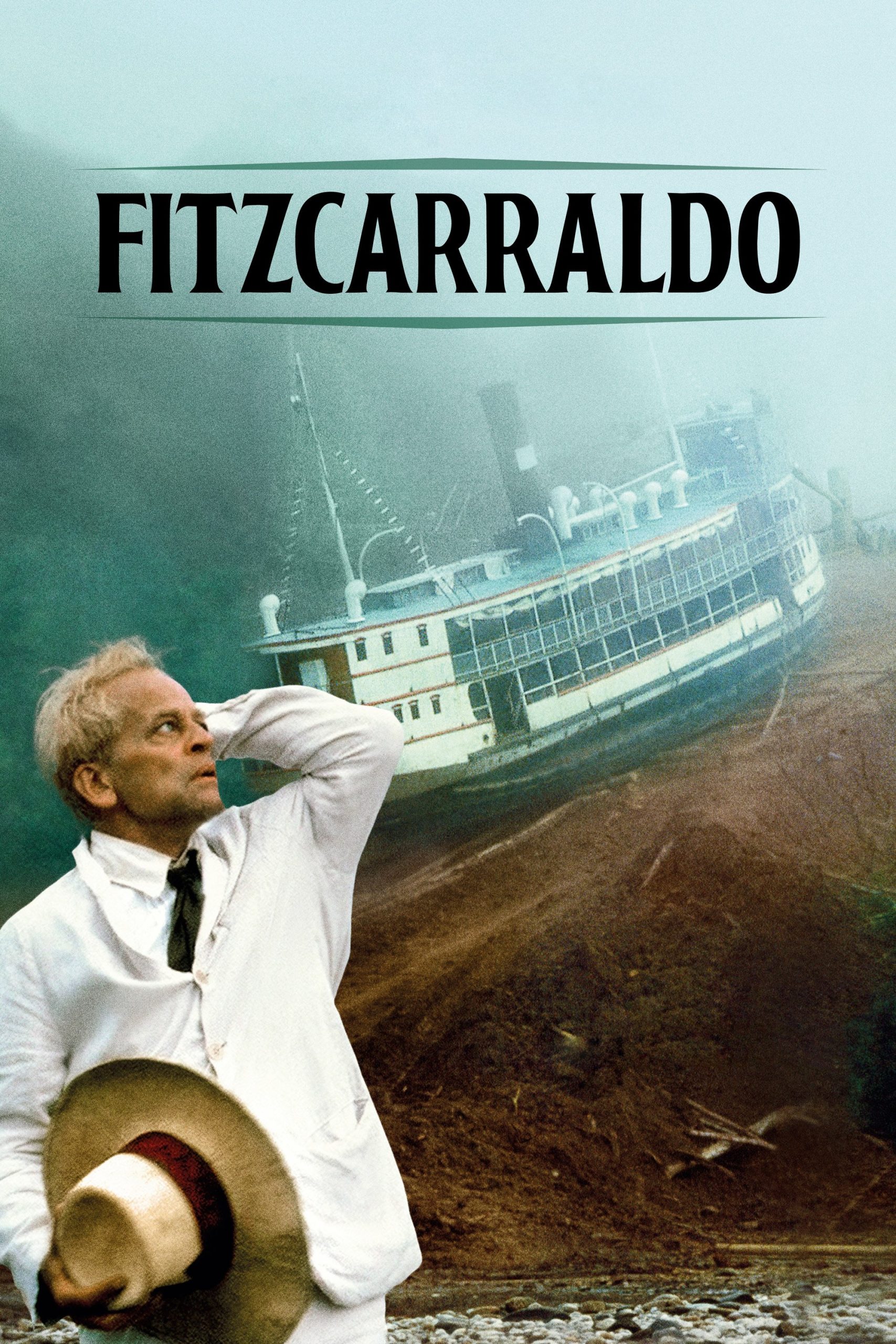
If Fitzcarraldo’s steamboat climb over the mountain is the film’s much-mythologized centerpiece, it’s because this image—man dragging the impossible into being—captures something embarrassingly human. I see in Fitzcarraldo’s plan a kind of childlike insistence: a demand that the world should bend to the force of imagination and longing. Yet Herzog’s lens smothers this fantasy in sweat, mud, and cacophony. The jungle is never just a backdrop; it is an active, nearly alive presence. Every screech and rustle, every oppressive shot of gnarled trees, feels like an indictment of Western arrogance. It’s easy to mock Fitzcarraldo’s naive optimism, but the film doesn’t let us off with easy irony. Instead, it invites me to question my own faith in dreams—their beauty, but also their destructive potential.
The Jungle’s Indifference: Nature as a Mirror
Perhaps my most unsettling impression of the film is how the natural world, for all its lush splendor, remains utterly indifferent to Fitzcarraldo’s madness. Herzog’s vision of the jungle is not simply an obstacle course for men but a character in its own right, implacable and ancient, incapable of being tamed or even fully understood. When I watch Fitzcarraldo’s crew hacking through the dense green, or hear the river’s roar swallowing up Caruso’s voice, I sense the futility of trying to impose order on chaos. Unlike so many adventure epics, Fitzcarraldo refuses triumphalism. I come away convinced that the jungle has not been conquered, only survived—a truth that undercuts any sense of human dominance and leaves both character and viewer feeling small, even awestruck.
Opera as Delirium: Art in a World that Won’t Yield
Opera is everywhere in Fitzcarraldo—from the opening performance to the scratchy records blaring on the boat, to the phantom notes drifting among the trees. At first, it seems the purest expression of the protagonist’s longing—a sublime, civilizing force he hopes to transplant in violent soil. But Herzog doesn’t let me settle into that comfort. The film’s opera motif mutates into something more ambiguous: art as a kind of madness, a delusion that can both elevate and destroy. When Fitzcarraldo plays Caruso for the locals, I’m never sure if I’m witnessing communion or cultural imposition. The beauty of the music cannot dissolve the gulf between worlds, and yet it stubbornly persists, a ghost of Europe haunting the Amazon. In these moments, I feel both the tragic futility and the desperate necessity of art in a world that refuses to be ordered.
Colonial Shadows: The Ghosts that Linger
I can’t shake the discomfort that shadows every frame of Fitzcarraldo: a sense that this is a story built on old and ugly power. The film presents Fitzcarraldo’s quest as a kind of colonial fever dream—one man’s attempt to assert his will where he has no real claim. The indigenous laborers who move the boat over the mountain are not romanticized or vilified; they seem to observe the madness unfolding with a detachment that borders on amused pity. Herzog is careful here, offering no pat condemnation but rather a layered, uneasy acknowledgment of how ambition so often rides on the backs of others. When I watch the boat’s progress, I see not just the cost in sweat but the shadow of exploitation—how the dreams of the few are bought with the toil of the many. The film’s refusal to neatly resolve this tension leaves me unsettled, and perhaps that’s the point. Fitzcarraldo’s vision is dazzling, but its foundation is cracked.
Human Limits and the Chaos of the Sublime
What strikes me most about Fitzcarraldo is how it refuses the logic of happy endings. Even in triumph, the protagonist’s victory is ambiguous, tinged with loss and the stark awareness of his own insignificance. The film is obsessed with the limits of human will when confronted by forces—nature, history, collective memory—that cannot be mastered. I sense that Herzog, through Fitzcarraldo, is exploring the very edge of sanity: the point where vision and delusion become indistinguishable. The spectacle of the steamboat dangling on the mountainside is awe-inspiring not because the impossible is achieved, but because the attempt itself is so nakedly, heartbreakingly human. We are creatures of vision, but the world remains stubbornly, beautifully resistant to our designs.
The Madness of Pursuing Impossible Beauty
I come away from Fitzcarraldo haunted by the contradictions it refuses to resolve. There is an undeniable heroism in Fitzcarraldo’s pursuit—a refusal to accept the world as it is, a hunger for transcendence. Yet, time and again, the film reminds me that such dreams are not only doomed but potentially catastrophic. Fitzcarraldo is, at its core, a meditation on the price of beauty and the madness that so often accompanies its pursuit. The boat’s perilous journey becomes a metaphor for every artistic or personal quest that seeks to reshape the world, no matter the cost. Even the film’s notorious production—famously as grueling and chaotic as the story it depicts—resonates with this theme. Watching it, I am forced to ask: When does vision cross the line into obsession? At what point does the sublime become monstrous?
Two Kindred Spirits from Cinema’s Past
Those who, like me, are captivated by Fitzcarraldo’s blend of grandeur, obsession, and the uneasy dance between man and nature might seek out other films that echo its feverish spirit. Two that linger with me are:
- Aguirre, the Wrath of God (Herzog again, in full operatic mode, charting another descent into hubris and jungle madness)
- Apocalypse Now (Francis Ford Coppola’s own odyssey into the heart of darkness—another vision haunted by the costs of unchecked ambition and the terror of the unknown)
If you’re curious about how this film was originally perceived or how it compares to similar works of its era, these resources may be helpful.
🎬 Check out today's best-selling movies on Amazon!
View Deals on Amazon