
Under the Traveling Tent: My Journey with Ozu’s World
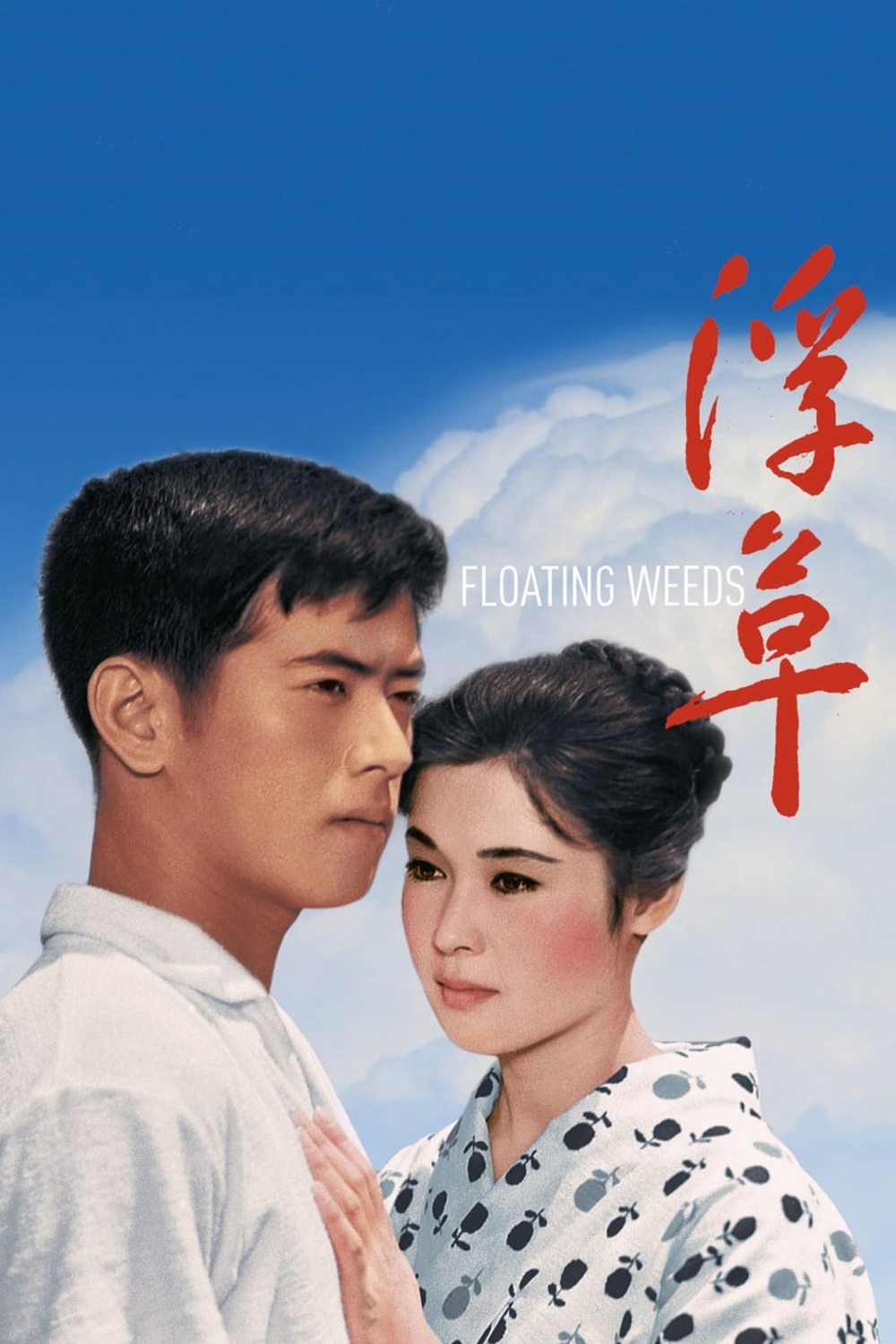
The first time I watched “Floating Weeds,” I found myself sinking into its gentle rhythm, lulled by the gliding camera and the humid suspension of summer in a seaside town. I didn’t just see actors moving through a story; I felt submerged in the unhurried drift of their lives. Yasujiro Ozu’s 1959 masterpiece isn’t about spectacle or melodrama—it is, at its heart, an aching meditation on impermanence, pride, and the elusive nature of happiness. The more I reflect on it, the more I see how Ozu uses a traveling theater troupe as a vessel to explore family, self-deception, and what it means to belong nowhere and everywhere at once.
An Unmoored Existence: The Troupe and Their Shadows
What struck me most about “Floating Weeds” is how Ozu crafts his characters as literal and metaphorical drifters. The term “floating weeds” is a vivid metaphor, evoking rootless plants adrift on water. The troupe’s existence, transient and precarious, mirrors the emotional dislocation that permeates each shot. These performers bring stories to stagnant towns, but they themselves have no real home, no lasting connections, only the fragile camaraderie and jealousies that bind them for a season.
I couldn’t ignore the way Ozu frames their lives against a backdrop of cyclical return and inevitable farewell. The head of the troupe, Komajuro, arrives thinking he can slip unnoticed into the rhythm of his old lover and their son’s life. But the past doesn’t stay safely buried, and the town’s familiarity feels as temporary as the troupe’s marquee. Ozu sees life as an endless negotiation between longing and letting go; his characters yearn to root themselves, even as the tide of circumstance pushes them ever onward.
The Silent Quake Beneath Family Bonds
I felt almost intrusive watching the awkward, charged encounters between Komajuro and his son, Kiyoshi. Kiyoshi, believing Komajuro to be a kindly uncle, embodies a kind of innocence that Ozu seems to mourn. There’s a private, seismic tremor in the moment Komajuro reveals his true identity—a rupture that threatens everything and yet lands with Ozu’s signature restraint.
What moved me was the painful effort to preserve the illusion of normalcy. Komajuro wants to atone, to guide his son into a life more rooted than his own. I saw in this a deep anxiety about legacy and generational cycles, about the ways we try to shape or shield those we love from our own failures. Ozu doesn’t offer catharsis or grand gestures; instead, he lingers on the quiet aftermath, the slow acceptance that reconciliation is always partial, always unfinished.
Color as Memory, Space as Emotion
Ozu’s use of color in “Floating Weeds” is so precise it feels sculpted. I found myself fixating on the way red lanterns, blue signage, or lush green backdrops pulse out of otherwise spare compositions. This isn’t just aesthetic—it’s deeply psychological, casting the troupe’s ephemeral existence in a glow of nostalgia and melancholy. The red umbrellas, for example, seem to both shield and isolate, marking moments of intimacy and division alike.
Ozu’s camera is always low, always calm, as if inviting the viewer to kneel and observe life’s slow unfoldings. The composition of space—doorways framing parting glances, empty rooms after confrontations—creates a visual echo of absence and longing. I couldn’t help but interpret these spaces as externalizations of the characters’ inner lives: rooms suggest what is unsaid, colors evoke the emotions they can’t name.
Desire Tangled in Shame
I watched Sumiko, Komajuro’s jealous current mistress, with a mix of empathy and discomfort. Her actions—driven by resentment, love, and wounded pride—are some of the film’s most volatile. In Ozu’s hands, even her rashest decisions are shaded by vulnerability rather than malice.
Her jealousy is more than romantic rivalry; it’s a desperate plea for permanence in a world defined by departure. Ozu doesn’t judge her; he exposes how easily desire curdles into bitterness when people sense their precarious position in someone else’s life. The film’s compassion lies in its refusal to simplify these emotional entanglements. There’s no villainy here, only people wrestling with the roles they’re assigned and the lives they wish they could lead.
The Weight of Forgiveness
One of the most haunting things for me about “Floating Weeds” is the slow, almost reluctant movement toward forgiveness. There’s no swelling music or teary embraces. Instead, Ozu crafts forgiveness as a kind of acceptance—worn, imperfect, unresolved. The characters sometimes forgive out of necessity, not generosity. Kiyoshi’s decision to move forward, even after learning of Komajuro’s deception, feels less like a triumph than a surrender to the way things are.
I’m always struck by how Ozu handles the aftermath of emotional upheaval. He lingers, letting the camera rest on faces that are calm only on the surface. The pain of betrayal never quite recedes, but Ozu shows a kind of wisdom in accepting that reconciliation is a process, not a destination.
The Passing of Time, the Illusion of Change
What makes “Floating Weeds” so quietly devastating is Ozu’s cyclical sense of time. The troupe’s arrival and departure feel ritualistic, as if destined to repeat. I sensed in this pattern a deep skepticism about the possibility of true transformation. Lives are reshuffled, relationships shift, but the essential pattern of drifting and yearning persists.
To me, Ozu is less interested in explosive change than in the almost invisible accretions of experience and regret. The town remains, the next troupe will come, and a new season will begin. Ozu reminds me that we’re all, in some way, floating weeds—clinging to moments of closeness, forever at risk of being swept away.
Final Reflections: The Stillness Between Departures
Each time I return to “Floating Weeds,” I find myself listening harder to the silences between words and the hush that follows a scene’s end. Ozu’s genius lies in this patience, in trusting the viewer to feel the tension between hope and resignation, between reunion and inevitable parting. The film’s meaning, for me, is inseparable from its gentle gaze: it’s not telling us to despair at life’s impermanence, but rather to find tenderness in fleeting connections.
Even as the troupe packs up and moves on, Ozu leaves us with the sense that meaning is found not in grand arrivals or departures, but in the momentary warmth of recognition, the brief suspension of loneliness. That’s the film’s quiet power—and why it lingers long after the screen fades to black.
If the Troupe’s Shadow Haunts You, Try These
If “Floating Weeds” moved you with its subtle ache and meditative pace, I urge you to seek out these two classics:
- Late Spring – Ozu’s earlier masterwork traces familial duty and unspoken sorrow with delicate precision.
- The Story of the Last Chrysanthemums – Kenji Mizoguchi’s exploration of art, sacrifice, and impermanence offers a kindred spirit in its bittersweet lyricism.
If you’re curious about how this film was originally perceived or how it compares to similar works of its era, these resources may be helpful.
🎬 Check out today's best-selling movies on Amazon!
View Deals on Amazon