
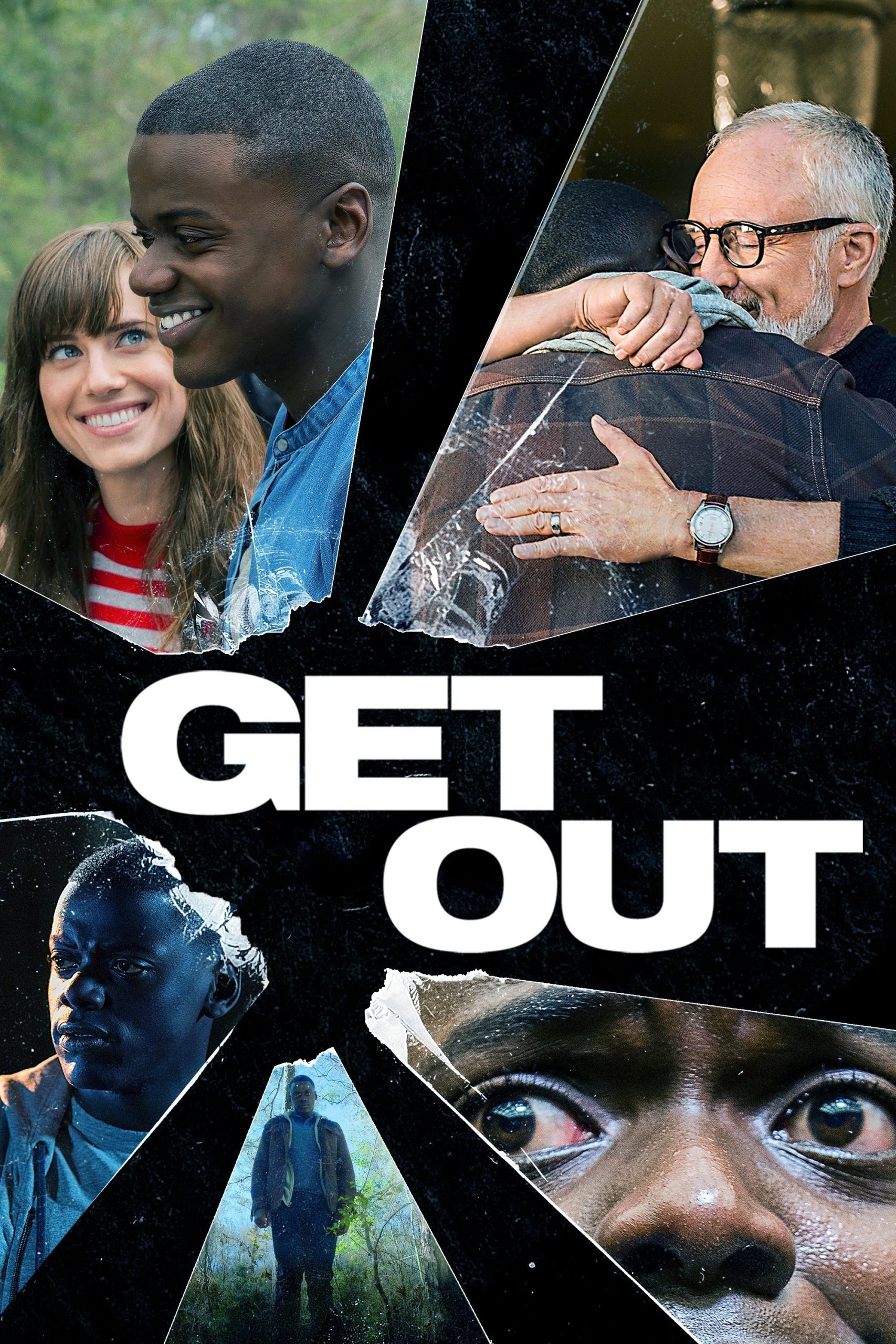
I still remember the first time I watched “Get Out”—late at night, headphones on, as the world beyond my screen grew quiet. I expected a horror film, but the slow-building anxiety that settled in the pit of my stomach had little to do with jump scares. What mesmerized me, and what continues to keep this film echoing in my mind, is its ability to hold up a funhouse mirror to society. Jordan Peele didn’t simply deliver thrills—he stitched together everyday microaggressions, inherited fear, and social blindness into something darkly exhilarating and uniquely unsettling.
The Emotional Pulse: Navigating Fear and Suspicion
“Get Out” unspools as an emotional odyssey shaped by isolation, uncertainty, and the relentless second-guessing familiar to anyone who’s ever felt out of place. At its core, Chris’s journey—meeting his white girlfriend’s family in a secluded suburb—should be a cliché of nerves, parental faux pas, and awkward small talk. But with every dissonant note and tightly framed shot, that discomfort mutates into something insidious.
For me, the film is not just about overt racism, but about the subtle, smiling menace that lurks beneath polite society. Chris’s quiet, ever-watchful presence mirrors the hypervigilance forced upon people who sense danger where others only see normalcy. The real terror isn’t rooted in the supernatural; it’s in the suspenseful build of suspicion, the slow realization that beneath every well-intentioned comment lies something calculated and sinister. By the time Chris peels back the genteel facade, every viewer, regardless of background, is drawn into that stifling paranoia.
In my view, “Get Out” is less interested in external monsters and more compelled by the horror of trusting what cannot be trusted—of being gaslit by an entire community convinced of its innocence. It’s this focus on the unseen, the denied, and the taken-for-granted that drew me in and wouldn’t let me look away.
Unpacking the Pulse: Themes That Sting and Resonate
What does “Get Out” really want from us? In my experience, the film’s primary engine is its exploration of racial identity, power dynamics, and the commodification of Black bodies. The Armitage family professes a veneer of progressive tolerance—proudly declaring they’d have voted for Obama a third time—while participating in violence that is horrifyingly literal and symbolically loaded. Peele targets the well-meaning surface of post-racial America, peeling back its skin to reveal the old wounds festering underneath.
Released in the wake of the 2016 election, “Get Out” felt prophetic and pointed—an unmasking at a time when racial assumptions and social divisions had again come to the fore. Even now, these themes of appropriation, denial, and the transactional nature of acceptance feel urgent. I’m continually struck by how the horror comes not from ignorance, but from a pernicious willingness to “consume” culture, identity, and even bodily autonomy while feigning admiration.
What makes the film matter today, in my eyes, is that it refuses pat answers. It unsettles, provokes, and raises the possibility that self-congratulating liberalism can be every bit as complicit as overt hostility. That’s a conversation many films shy away from—Peele dives headlong into it.
Echoes in the Imagery: Symbols That Haunt Me
When I think about “Get Out,” certain visuals linger long after the credits roll. The Sunken Place—Chris falling, paralyzed, into a vast, black void—is easily among the most potent symbols in modern American cinema. To me, it’s a metaphor for the silencing of marginalized voices, the horror of watching events unfold without the power to intervene or speak. Every time Chris slips into that isolation, I feel a jolt of recognition—a sense of what it means to be present and invisible all at once.
Then there are the deer. Early in the film, a struck deer by the roadside foreshadows the violence that will befall Chris, but it also echoes deeper ideas. For me, the deer serves as a symbol of Black mortality, hunted and discarded. It also parallels Chris’s trauma—a guilt and sadness over his mother’s death—creating a chilling braid of personal and societal grief.
The party, with its sea of white faces, is another motif that gnaws at me: the constant performance of “interest” in Chris, the probing questions and objectifying stares, all reinforcing the sense that he is othered, evaluated, and invaded at every turn. Each detail—teacups, keys, camera flashes—is loaded, not just as plot devices, but as emblems of control and resistance.
Defining Moments: Three Scenes That Chilled My Core
Hypnotic Entrapment: Chris Enters the Sunken Place
Few moments rattled me like the first time Chris is hypnotized by Missy Armitage. The shifting of her teacup, the soothing assurance in her voice, and the tightening terror in Chris’s eyes crystallize the movie’s subtext. This is not simply hypnosis—it’s psychological colonization, an erasure of selfhood enacted under the guise of care. Visually, the plunge into the formless void is breathtaking. The powerlessness is nearly palpable; I felt it wrap around my own throat.
The Party: Imposed Spectacle
The gathering at the Armitage estate is daylight horror masquerading as social ritual. White partygoers paw at Chris with fascination masked as compliments, sizing him up, prodding at his athleticism, his genetics, his “coolness”. Every interaction is a veiled threat, a microaggression sharpened to a razor edge. I find this unbearably tense—the mask of civility never slips, but the dehumanization is inescapable. Each exchange builds the realization that Chris is prey in a gilded trap.
Fighting for Freedom: Chris Breaks the Spell
The devastating final stretch—in which Chris, newly aware, turns his trauma into a weapon—never fails to move me. Using the wadded-up cotton from his chair to block the hypnosis, he engineers his own escape. This is more than a physical victory; it is a reclaiming of agency stolen by false empathy. The violence is cathartic. The image of Chris, bloodied but unbowed, is a moment of hard-won, complicated triumph.
Consensus and Divergence: Aligning with and Challenging the Critics
Upon its release, “Get Out” was rightly hailed as a “social thriller,” a sharp rebuke to complacency. Critics have celebrated its genre-bending audacity, its restoration of horror as social allegory, and Daniel Kaluuya’s astonishing lead performance. The film has been widely read as a metaphor for the contemporary Black experience in America, a kind of cinematic exorcism of polite, everyday racism.
While I share these interpretations, my own resonance with the film comes from its emotional truths, not just its cleverness. I see “Get Out” as an emotional survival story—a study in endurance, self-preservation, and the long, bitter arc of proving oneself right even as others dismiss the alarm. Many readings focus on the “twist” or the socio-political timeliness, but for me, the film’s visceral horror lies in its validation of paranoia, the way it makes collective gaslighting feel deeply personal.
Lateral Reflections: Films in the Same Dark Forest
- Rosemary’s Baby – Both films mine horror from social betrayal and the terror of discovering trusted people have secret, predatory intentions. The atmosphere of paranoia and isolation echoes strongly.
- Guess Who’s Coming to Dinner – Though a drama, it stages the racial tension and unease of meeting the partner’s family, exposing liberal pretenses and the limits of acceptance.
- The Stepford Wives – The cloak of suburban perfection masking deep control and dehumanization links directly to the Armitage world, especially in the way “difference” is violently erased for conformity.
- Sorry to Bother You – Surreal satire addressing Black identity, commodification, and labor, with both films channeling anger and humor through genre conventions to critique systems of exploitation.
Reflections in the Mirror: What “Get Out” Offers Today
For new audiences, approaching “Get Out” with fresh eyes means looking for the details that make it so much more than a genre exercise. This film rewards attention, empathy, and a willingness to question surface-level comfort. Its strength is in discomfort—the unsettling invitation to ask ourselves just how deep polite violence can go. Each theme adds another layer to the experience, not just as entertainment, but as a challenge.
I believe “Get Out” remains a conversation starter, a film to be watched collectively and then argued over late into the night. When we grasp its intricate dance of menace and charm, we unlock a film that’s as much about the ways we see (and refuse to see) one another as it is about its protagonist’s struggle. I recommend returning to it with openness—the film’s emotional honesty is its sharpest weapon.
Related Reviews
If you found value in my perspective, you might also enjoy exploring my thoughts on other cinematic landmarks such as Rosemary’s Baby and The Stepford Wives.
To broaden this interpretation, you may also explore how critics and audiences responded over time.
🎬 Check out today's best-selling movies on Amazon!
View Deals on Amazon