
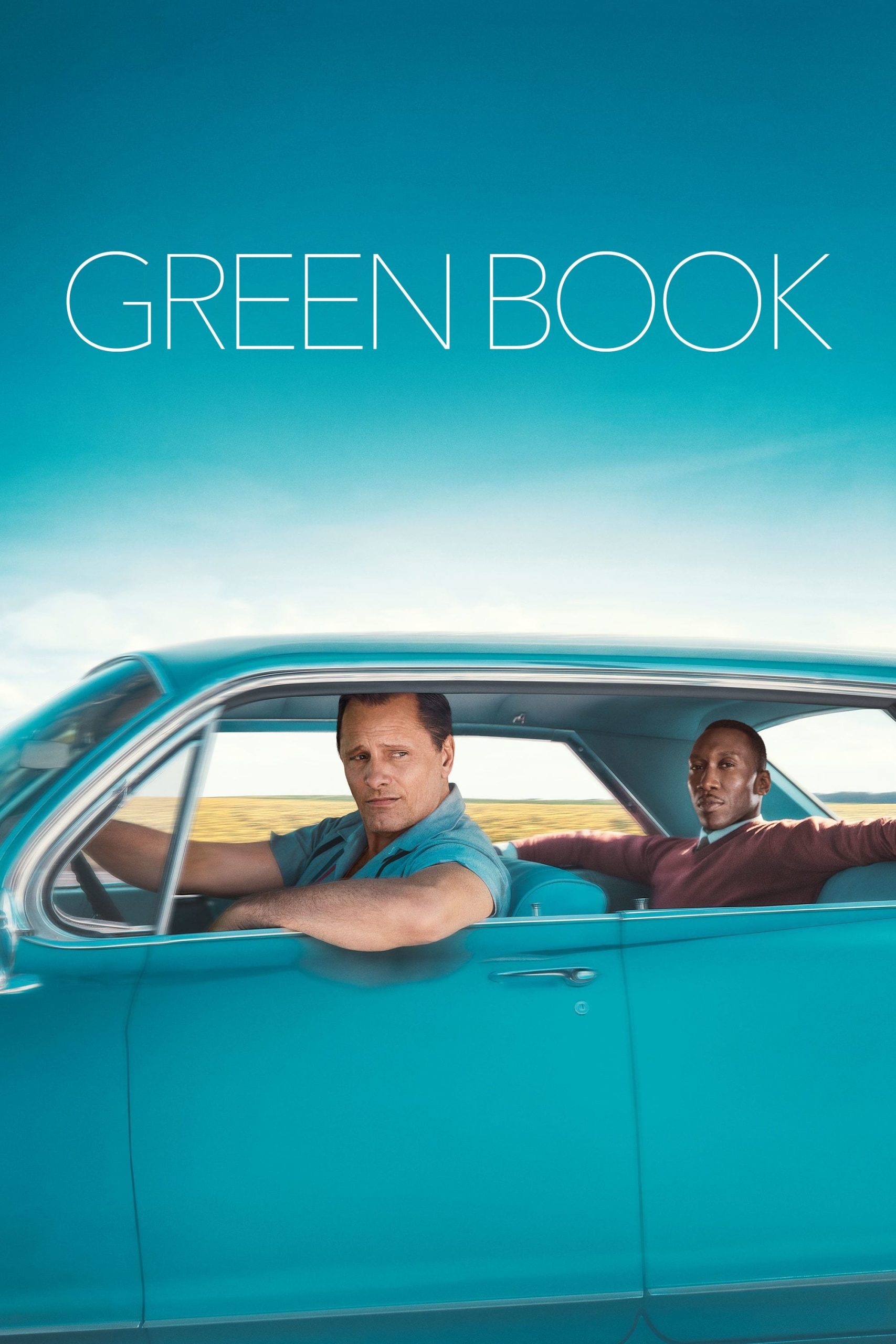
When I first encountered Green Book, it caught me off guard—not because of its plot or pedigree, but for how it rekindled memories of my own awkward road trips through the American South, steeped in unspoken tensions. I found myself recalling a childhood spent sandwiched in the backseat, overhearing adult conversations brimming with assumptions and misinterpretations. This resonance echoed throughout the film, drawing me in not for the “big moments” but for the false starts, silences, and surprising gestures of grace.
The Emotional Arc and Central Struggle
At its heart, Green Book is not just a tale about racism or unlikely friendship—though both loom large. For me, it’s a story about the transformative discomfort of intimacy under duress. Tony Lip, coarse but not cruel, and Dr. Don Shirley, elegant but ensnared by solitude, are thrust together by necessity. What unfolds as they travel through the Jim Crow South transcends the simple bullet points of “white driver, black passenger.” Their journey relentlessly exposes the boundaries—both societal and self-imposed—that define and confine them.
This is a film about two men wrestling with vulnerability, both forced to confront what they’ve learned to hide. The road amplifies every contradiction: Tony’s bias softens through exposure, but his urge to “fix” things remains problematic. Shirley, meanwhile, is at once noble and tragic, unable to fully inhabit any world. The central conflict is not solely external prejudice, but the deep-seated need to belong—to be seen whole. Through their evolving dynamic, the film strives to assert that dignity and human connection can breach inherited divides, but not without pain. That struggle was, and still is, uncomfortably real to me.
Unearthing Underlying Ideas
On my first viewing, I was struck by how boldly the film addresses identity and dignity. Venice, the North, the South: everywhere, Shirley is out of place. The film interrogates the myth of the American melting pot by exposing the chasms that still separate us, especially along the lines of race and class. For Tony, identity is forthright and boisterous—a badge of survival. For Shirley, it’s conflicted, measured, sometimes buried beneath performance both literal and figurative.
Another motif that stuck with me was the complexity of allyship—Tony wants to “do right,” but often stumbles. This feels painfully relevant today, especially in a climate where performative wokeness frequently replaces actual introspection. When Green Book premiered in 2018, it arrived in a moment fraught with a hunger for reconciliation—just as public discourse was wrestling with new reckonings over history, memory, and who gets to tell whose story. The film’s call for empathy does not erase the complexities of power, but it insists (at its best) that even flawed efforts toward understanding matter.
Visual Language and Recurring Elements
What I found most compelling about the film’s construction was its reliance on visual contrast: the gleaming, imposing façade of the Steinway on southern stages versus the sticky vinyl seats of roadside diners, Shirley’s immaculate suits beside Tony’s rumpled attire. The film continuously sets up dichotomies—high and low, soft and hard, black and white—not for easy didacticism, but to explore the uneasy overlaps. The car itself becomes a prolonged symbol of confinement and potential connection. It is, paradoxically, both a cage and a cocoon where transformation grinds slowly forward.
I was also drawn to repetitive gestures: Shirley meticulously washing his hands; Tony folding fried chicken into napkins. These are not merely quirks, but ways that each tries to impose order on a chaotic world, exchanging rituals in an awkward, searching dance of manners. Even the presence of “The Green Book” guide itself is a powerful motif—the literal manual for survival in hostile territory, and a metaphor for the incomplete, often invisible rules that govern who is welcome and who is tolerated.
Moments That Resonate
Night in a Rain-Soaked Roadside Tavern
The moment when Shirley, adrift and desperate, seeks refuge at a seedy bar off the highway struck me as devastating. Tony’s rescue is not a simple act of heroism; it exposes Tony’s limits and Shirley’s isolation, making clear the cost of Shirley’s dignified exterior. This moment lands with force because it refuses neat resolutions—each man is diminished and exposed.
The Fried Chicken Lesson
What might have played as broad comedy became, for me, an honest if uncomfortable unpacking of cultural assumptions. This is the film at its most disarmingly human: a moment of shared awkwardness where food, so often a marker of difference, becomes a bridge. It’s not about what’s eaten, but who controls the rules—who gets to teach, and who is expected to learn.
Christmas Dinner Return
By the end, Shirley’s arrival at Tony’s home for Christmas is both payoff and risk. The awkward but sincere welcome contrasts sharply with Shirley’s previous, lonely dinners. This is not a triumphant reconciliation with the world, but a small-scale victory: two families, overlapping awkwardly, making the effort to coexist. The grandeur of Shirley’s music cedes to the quieter, more radical act of inclusion.
Critical Takes and My Divergence
Much of the critical response to Green Book has been shaped by charges of oversimplification—of “white savior” narratives and Hollywood sanitization. The film’s crowd-pleasing arc and soft-focus nostalgia are, for some, a concession, an evasion of harder truths about racism and privilege. Many critics argue that Shirley’s story becomes subordinate to Tony’s growth, and that the messier realities of history are papered over in favor of feel-good uplift.
While I don’t dismiss these readings—indeed, I share many of the frustrations—I find myself more captured by the film’s small-scale sincerity. Its value for me isn’t in the macrocosmic statement, but in the microdynamics of discomfort and occasional grace between its leads. The film does not purport to offer solutions, but conveys the jagged, necessary work of re-examining our own assumptions. Where some see a cop-out or diluted history, I see an honest grappling with the limits of what individuals can accomplish when frameworks of power remain unchallenged. It’s not enough, but it is a start.
Parallel Journeys on Screen
- Driving Miss Daisy – Like Green Book, this film explores race relations through the lens of an evolving employer-chauffeur relationship, tracing the uneasy thaw between two unlikely companions in the segregated South.
- The Help – Both films are invested in personal connections across racial divides, set against the backdrop of systemic discrimination, and wrestle with the balance between individual acts and historical context.
- In the Heat of the Night – Here, the meticulously dignified detective Virgil Tibbs navigates suspicion and hostility, echoing the social tensions and tightly-wound personal boundaries seen in Green Book.
- 12 Years a Slave – While markedly different in tone and intensity, both films interrogate what dignity and survival mean under oppressive structures, albeit with 12 Years a Slave focusing unsparingly on the horrors that historical dramas like Green Book often soften.
Final Thoughts: Relevance for Modern Audiences
The journey chronicled in Green Book is ultimately less about the particulars of 1962 than about the perpetual negotiation over belonging, respect, and the possibility of real connection. For today’s viewers, I see value not in seeking affirmation or comfort, but in accepting the discomfort—in recognizing how easily good intentions slide into complacency, and how persistent the need remains for dialogue across divides. Understanding this film’s themes not as solutions, but as entry points into ongoing reflection, can transform the experience from passive story-watching into something far more urgent and personal.
Related Reviews
If you found value in my perspective, you might also enjoy exploring my thoughts on other cinematic landmarks such as Driving Miss Daisy and In the Heat of the Night.
To broaden this interpretation, you may also explore how critics and audiences responded over time.
🎬 Check out today's best-selling movies on Amazon!
View Deals on Amazon