
Chasing Wilderness, Shedding Expectations
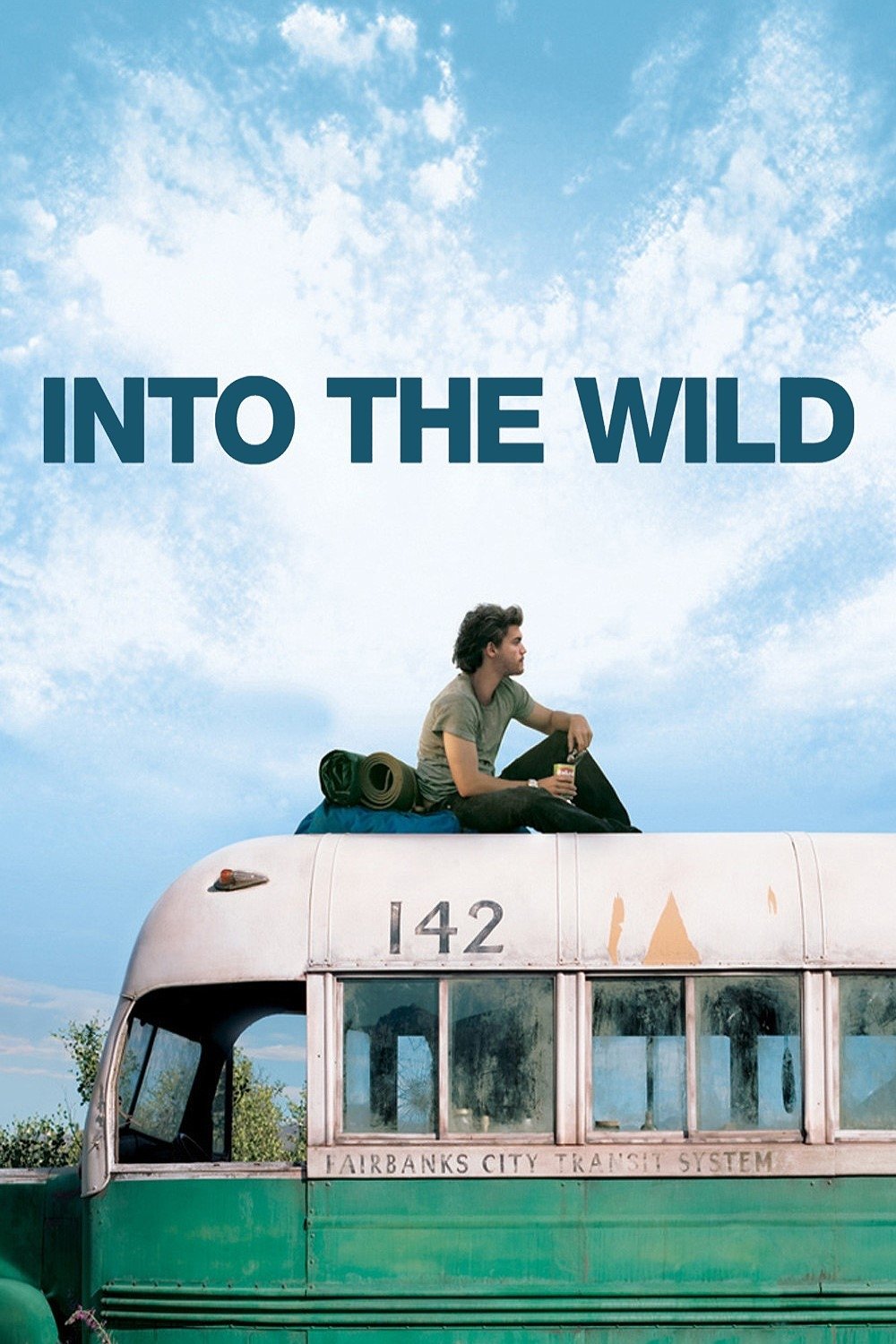
There’s a strange electricity I feel every time I revisit Into the Wild. The first time, it caught me off-guard—something in the pulse of Christopher McCandless’ journey struck a nerve deep beneath the surface, as if the film whispered to me about all the expectations I’ve let pile up over the years. This isn’t just a story about a young man hiking into Alaska; it’s a cinematic meditation on shedding the skin society builds around us, and when I watch, I can’t help but question the invisible constructs I carry myself.
The Pull of Solitude: More Than a Yearning
What lingers with me most when I think of McCandless wandering rivers and forests is how much the film treats solitude not as escapism, but as defiance. He doesn’t simply flee from his family or from material wealth—he’s not running away, he’s running into something, seeking a purity that feels increasingly rare. When I watch his silent moments by the campfire or crossing the barren tundra, I see a person who craves connection to the world in its most unmediated form. Solitude, here, is aching with hope—the hope that in stripping away layers of noise and expectation, something honest and true will emerge. The wilderness is both a physical place and a psychological crucible.
The Burden of Family, the Weight of Legacy
I can’t ignore how deeply family trauma is woven through every frame. The film gnaws at the roots of inherited pain, refusing to let sentimental reconciliation paper over wounds. McCandless’ journey is an exorcism of sorts—the ultimate act of separating himself from the scripts written for him by his parents. When I watch the scenes with his family, I’m reminded of the quiet, insidious ways parental expectations and disappointments can haunt us for years. The film’s refusal to demonize or sanctify his parents is, I believe, its greatest act of honesty. It suggests that our attempts to leave our past are always incomplete; the ghosts walk alongside, whether in memory or decision.
Rebellion Against the Currency of Achievement
If there’s one motif that pricks at my conscience during every viewing, it’s how ferociously the film interrogates the supposed rewards of modern living. Every social interaction, every fleeting relationship McCandless has, is colored by his rejection of transactional values—money, career, possessions. In the scenes where he burns his cash or donates his savings, I sense both liberation and a desperate attempt to prove something—to himself, to us. I’m struck by how the film complicates this act: is it spiritual clarity, or naïve arrogance? Is rejecting society’s currency an act of bravery, or just another form of privilege? The ambiguity gnaws at me, as does the film’s willingness to let that question hang in the air, unanswered.
Encounters on the Road and the Echoes of Shared Loneliness
The road in Into the Wild stretches not just as a path toward Alaska, but as a patchwork of souls searching for meaning. The people Christopher meets—Jan, Rainey, Ron—are not mere pit stops; each reveals a facet of the ache at the heart of American life. The film’s frankness about loneliness astonishes me; it suggests that no matter how isolated we feel, we’re always orbiting around others carrying their own burdens. The conversations between strangers take on the quality of confessions, not just for Christopher, but for everyone he encounters. These moments linger with me; they’re reminders that even in our quest for independence, we’re quietly tethered to one another.
Nature as Judge, Sanctuary, and Mirror
Every time I watch the Alaskan sequences, I’m pulled straight into the paradox at the film’s center. Nature is not romanticized as a gentle healer, nor villainized as a punishing force—it’s both and neither. The landscapes are vast, indifferent, breathtaking, and lethal all at once. When Christopher celebrates a handful of wild berries or marvels at a rushing stream, I sense that he wants to believe nature will reward him for his purity. Yet the film is careful to show us how humility and hubris dance together in this space. Ultimately, nature becomes a mirror, reflecting back Christopher’s longing, arrogance, and awe. The wild does not care about his dreams, but it transforms them nonetheless.
The Friction Between Idealism and Consequence
What gnaws at me most—more than the film’s contemplation of freedom or family—is its honest reckoning with the cost of idealism. Christopher’s vision is pure, almost painfully so, but the world is messier than pure visions can contain. The film doesn’t shy away from depicting how his convictions collide with the realities of survival, trust, and impermanence. In his final moments, scrawling desperate words in the margins of a weathered book, the film crystallizes an agonizing truth: seeking meaning is a noble act, but it is not protected from pain, loss, or regret. I’m left wrestling with the idea that the search itself, despite its risks, is worth honoring, even as it leaves scars.
The Restlessness at the Core of American Myth
I can’t help but see Into the Wild as a dialogue with the entire tradition of American wanderers—from Thoreau to Kerouac. The film wrestles with the myth that the open road can deliver redemption or selfhood. Yet, it never offers a simple answer. There’s beauty in Christopher’s journey, but there’s also a sharp, lingering ache—a sense that self-discovery is always shadowed by the possibility of being lost. Into the Wild doesn’t confirm or deny the myth of reinvention; it simply lies down beside it, asking us to look more closely at what we seek when we seek freedom. For me, that’s where its enduring power lies.
Traces of Joy and the Price of Isolation
Despite its melancholic edges, I’m continually surprised by the moments of joy that punctuate the film. Small acts—a swim in a river, a shared meal, a song sung in the open air—are rendered with such tenderness, it’s as if the film insists on the irreducible worth of fleeting happiness. Yet, these moments are fragile, easily shattered by the return of hunger, cold, or the simple realization of being alone. When Christopher admits, near the end, that “happiness only real when shared,” I feel a jolt of recognition. Into the Wild quietly argues that even the most passionate pursuit of individual meaning comes with the price of separation. It’s a hard lesson, but the film delivers it with grace rather than judgment.
Two Classics for the Restless Spirit
When I yearn for films that stir the same sense of restless longing and spiritual inquiry, I find myself returning to two classics: Days of Heaven and Badlands. Both films, in their own measured ways, wrestle with questions of escape, belonging, and the wild ache that comes from trying to rewrite one’s life. If Into the Wild leaves your heart unsettled and searching, these films might offer haunting echoes—or perhaps, a bit of solace.
If you’re curious about how this film was originally perceived or how it compares to similar works of its era, these resources may be helpful.
🎬 Check out today's best-selling movies on Amazon!
View Deals on Amazon