
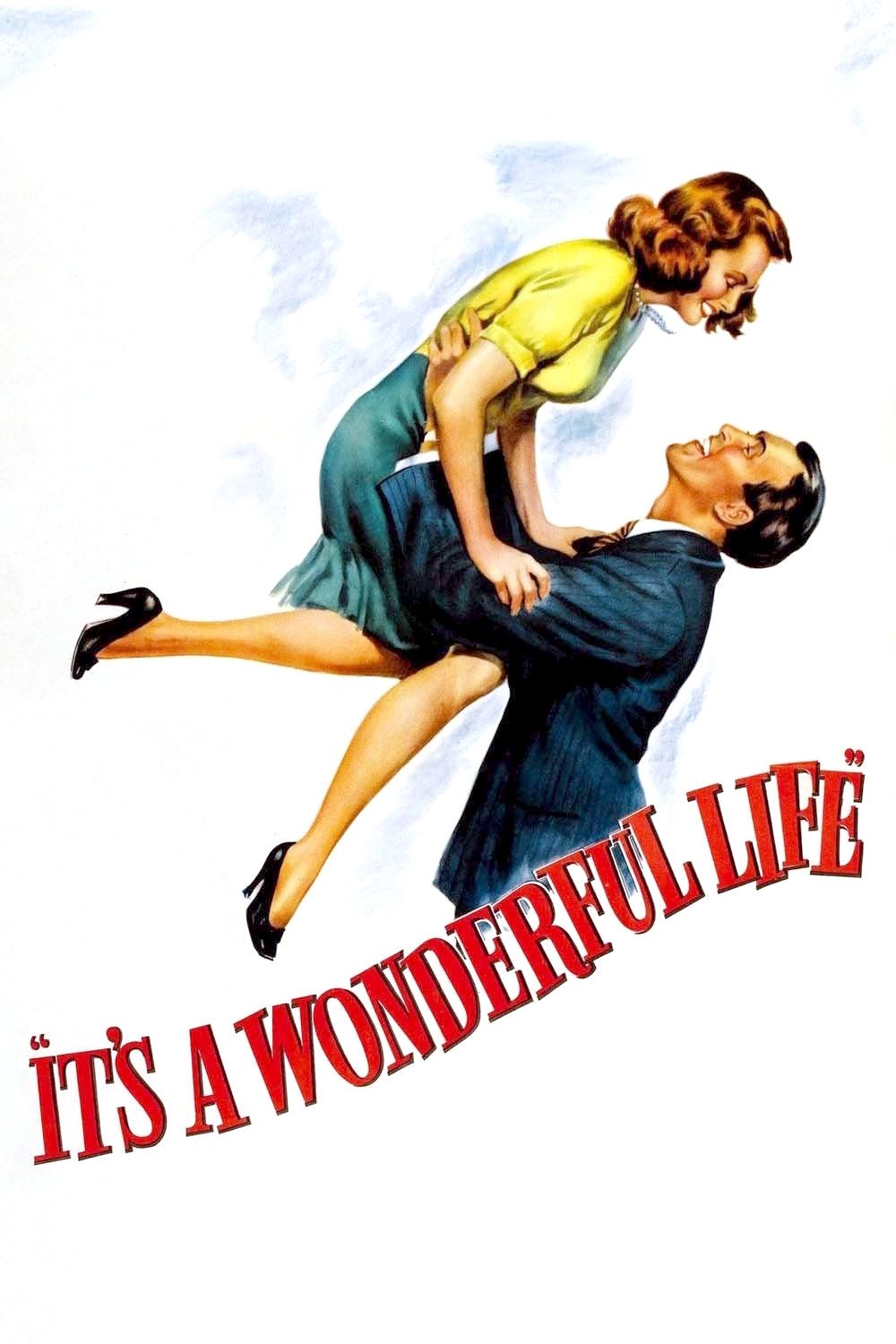
Whenever I revisit “It’s a Wonderful Life,” it’s as much an act of self-examination as it is film watching. I remember the late December nights my own family would gather around the television, each person nursing secret burdens, while Frank Capra’s magic quietly filled the living room. What kept pulling me in each year wasn’t nostalgia—it was the film’s uncanny ability to expose the cracks in my own sense of purpose, to stir the existential anxieties that the holidays, in their cheer, accidentally amplify. The story feels inexhaustibly alive, speaking across decades and straight to the gnawing doubt I sometimes feel about whether this ordinary life amounts to anything at all.
What the Film Is About
“It’s a Wonderful Life” traces the journey of George Bailey, an everyman who, on the brink of despair, is granted an extraordinary glimpse into a world without his existence. The real engine of the story, to me, isn’t the supernatural intervention or the nostalgia-drenched Americana; it’s the intimate, almost claustrophobic pressure of silent sacrifice accumulating over a lifetime. George is a character whose dreams—adventures, architecture, romance with distant horizons—are methodically sacrificed at the altar of duty. Through his eyes, I feel the sting of letting go of ambitions for the sake of others, the resentment that pulses under acts of generosity, and the suffocating isolation that comes when one’s quiet sacrifices go unacknowledged.
While much has been written about Capra’s optimism, I find the film’s emotional terrain far more ambivalent and bittersweet. At its core, “It’s a Wonderful Life” interrogates what makes a life significant—not through grand accomplishments, but through the quiet, almost invisible influence we have on others. The film pivots not simply on whether George Bailey finds a reason to live, but whether any of us can ever believe our presence matters enough amid the enormity of the world’s troubles. Its central conflict, for me, is existential: the battle between the myth of rugged individualism and the reality of interconnectedness. That is why George’s journey resonates so fiercely, especially in moments of personal doubt.
Core Themes
If I were to distill the film’s heart into a handful of themes, the most urgent would be the search for meaning through community, the corrosive effects of unrealized desires, and the insidious ways despair can spiral without intervention. For me, George Bailey stands as an emblem of those whose lives appear ordinary on the surface but who quietly hold entire communities together. The film’s assertion is radical in its simplicity: the meaning of life is assembled from the mundane acts of goodness we extend to others, not monumental achievements or the fulfillment of fantastical ambitions.
This idea, subversive in the context of postwar America, has only grown more necessary today. When the film premiered in 1946, the country was readjusting to peacetime, riven with both optimism and disillusionment. The themes of personal sacrifice, collective well-being, and the threat of crumbling under economic or emotional hardship, must have struck a raw nerve for viewers carrying wounds from the war years. I personally see echoes of that era in our present obsession with visibility, with social media and the relentless pursuit of personal branding—often at the expense of real connection. Capra’s film asks viewers, then and now, to recalibrate their definitions of success and failure, to see worth in the ordinary, unspectacular acts that ripple outward in ways we can never fully tally.
Symbolism & Motifs
Throughout “It’s a Wonderful Life,” Capra uses recurring symbols—most famously, the bell that rings whenever an angel gets its wings—to reinforce the subtle, almost imperceptible ways actions have consequences. For me, the bell takes on a dual role: not only as a literal sign of celestial activity, but as a metaphor for the unseen impacts we leave in our wake. Each chime, gentle and almost imperceptible, is a reminder that the world is shaped less by dramatic gestures and more by the accumulation of small, echoing influences.
Another motif that stands out in my mind is the repeated image of bridges and thresholds, especially the snow-covered bridge where George teeters on the edge between life and death. The bridge becomes a liminal space in which choices matter and the past, present, and possible futures converge in the flicker of George’s despair. Every time I see that bridge, I’m struck by how it mirrors the emotional precipice so many of us encounter in moments of crisis—a place where one’s existence seems both crucial and completely meaningless.
Even the physical settings—dusty homes, bustling main street stores, the battered old Building & Loan—function as more than simple backdrops. They serve as visual shorthand for the community’s spirit, its vulnerabilities, and the way individual agency can transform a collective destiny. Capra elevates these ordinary places into sacred spaces, suggesting that the mundane is never just mundane when viewed at the right angle.
Key Scenes
George’s Fateful Christmas Eve at the Bridge
One scene that continues to haunt me is when George, nearly crushed by the weight of his failures, stands atop the icy bridge ready to end it all. The abyss that yawns in front of him feels disturbingly real; the hush of falling snow and swirling water captures the interior stillness of despair. For me, the significance here lies in the universality of that moment—the way the film invites us to recognize the precarity of mental health and the need for communal lifelines.
The Unseen World Without George
Capra’s depiction of Pottersville—the nightmarish, alternate reality where George never existed—holds up a funhouse mirror to the world and shatters any illusions about individual insignificance. This is where the film’s moral logic crystallizes: George’s impact, long obscured even to himself, becomes undeniably clear in its absence. For me, this sequence achieves a power that’s almost overwhelming, because it renders visible the intangible webs of influence that bind us to our surroundings.
The Final Gathering and Redemption
The emotional center of the film arrives in the closing scenes, as the entire town pours into the Bailey home, offering not just financial support but love, gratitude, and a reaffirmation of George’s worth. There is no single grand gesture—just a collective surge of ordinary people rallying in extraordinary circumstances. Each time, this ending impresses on me a profound sense of hope: even when despair feels immovable, solidarity can restore perspective and bring about redemption.
Common Interpretations
In the decades since its release, “It’s a Wonderful Life” has been read, sometimes almost exclusively, as a feel-good piece of American optimism—a heartwarming paean to the triumph of the human spirit. I have always found this a partial and even misleading take. Beneath the surface, the film is a harrowing portrait of existential crisis, small-town claustrophobia, and the crushing weight of deferred dreams. Where critics see hope, I see a more complex interplay of despair and grace—a movie that dares to touch the darkness before offering any light.
Some writers position it as unapologetically anti-capitalist, using Mr. Potter as an avatar for greed and George as a champion of collectivist values. Others treat it as an ode to faith or religious salvation. While I acknowledge those readings, I respond most to the film’s ambiguity—its refusal to promise that difficulty will vanish, or that meaning is ever uncomplicated. Capra’s genius, to my mind, rests in his ability to comfort without condescending, and to suggest that even the happiest endings are hard-won and deeply fragile.
Films with Similar Themes
- A Christmas Carol (1951) – Like “It’s a Wonderful Life,” this film uses supernatural intervention to force its protagonist to reckon with the impact of his life and choices, ultimately affirming the redemptive power of compassion.
- The Shop Around the Corner (1940) – Both films are set in close-knit communities and explore how everyday decency and human connection can transform lives, even against the backdrop of economic anxiety.
- Groundhog Day (1993) – Though more comedic in tone, it shares with Capra’s film a fascination with personal change, the possibility of redemption, and the difference one life can make in the world.
- A Matter of Life and Death (1946) – Like Capra’s classic, it blurs the boundary between the real and the supernatural to pose quietly radical questions about the value of existence and the nature of love.
Why This Story Endures
Contemporary viewers may come to “It’s a Wonderful Life” expecting sentimental uplift, but I encourage looking deeper. Its true value, for me, lies in its unsparing honesty about loneliness, regret, and the hard-fought realization that self-worth isn’t forged in isolation. Watching the film today means grappling not just with idealized visions of community, but also with the burdens individuals carry—often without thanks or recognition. Understanding these core themes adds resonance to every viewing, reminding us that the smallest gestures can defy despair and restore meaning in the most unlikely moments.
Related Reviews
If you found value in my perspective, you might also enjoy exploring my thoughts on other cinematic landmarks such as Mr. Smith Goes to Washington and To Kill a Mockingbird.
To broaden this interpretation, you may also explore how critics and audiences responded over time.
🎬 Check out today's best-selling movies on Amazon!
View Deals on Amazon