
No Beauty Without the Beast: My Encounters with King Kong’s Tragic Heart
I’ve never been able to watch “King Kong” (1933) without feeling a pang of sorrow, an almost physical ache that seems to radiate from the Empire State Building all the way into my chest. The first time I saw the film, as a child, I was enthralled by the monstrous spectacle, but as I grew older, the spectacle gave way to something else: a sense that Kong’s story was less about horror and more about the grief that comes with encountering the limits of understanding between worlds. For me, “King Kong” is a film that explores the inevitable tragedy that follows when beauty and the beast attempt to meet on common ground, only to find the world arrayed against their union.
New Worlds, Old Fears: The Colonial Eyes that Shape the Island
Each time I revisit Skull Island, I’m struck by how the film frames this place as an exotic territory—unmapped, untamed, and unfathomable. The explorers’ gaze, hungrily searching for new wonders (and profits), isn’t just the engine of the plot, but a reflection of the era’s obsession with conquest. When Denham, the film’s ambitious director, arrives with his crew, it isn’t curiosity that guides him, but a kind of imperialist hunger to extract, record, and ultimately possess what he finds. Kong, in this reading, is less a monster than a victim: a native force destined, in the logic of the West, to be subdued and displayed. Every time I watch those early scenes, I see the shadow of colonial spectacle, and I wonder where the line between explorer and exploiter truly lies.
Beauty’s Double Edge: Ann Darrow as Dream and Commodity
One of the most haunting threads running through “King Kong” is the character of Ann Darrow. When I watch Fay Wray’s performance, I see not just a damsel in distress, but a symbol of how femininity is packaged, transported, and endangered by the ambitions of men. Ann is both dream and lure—her beauty is a ticket out of poverty and, simultaneously, a magnet for violence. What’s startling is how Ann’s value is measured by her capacity to attract danger, her worth defined by how others can exploit her image. In Kong’s enormous hand, she becomes a paradox: the very thing that brings the monster to ruin, yet also the only thing that makes him sympathetic.
The Monster’s Humanity: Kong as Outsider, Lover, and Tragic Hero
I’ve always been drawn to the way Kong, even in his most terrifying moments, feels heartbreakingly human. There’s a gentleness in his interaction with Ann that bursts through the bravado of his roars and rampages. In those quiet scenes—a brush of his finger, the awed way he gazes at her—I see a yearning for connection that is as profound as it is doomed. Kong’s capacity for affection, his protectiveness, and even his confusion in the face of violence, all point to an inner life that the humans around him refuse to recognize. The story, for me, is not about the dangers of nature unleashed, but about the pain of being misunderstood—of loving something you can never truly reach, or be reached by. Kong is not the villain; he’s the heart that breaks so the world can keep spinning comfortably in its certainties.
Technological Awe and Terror: The City as Modern Jungle
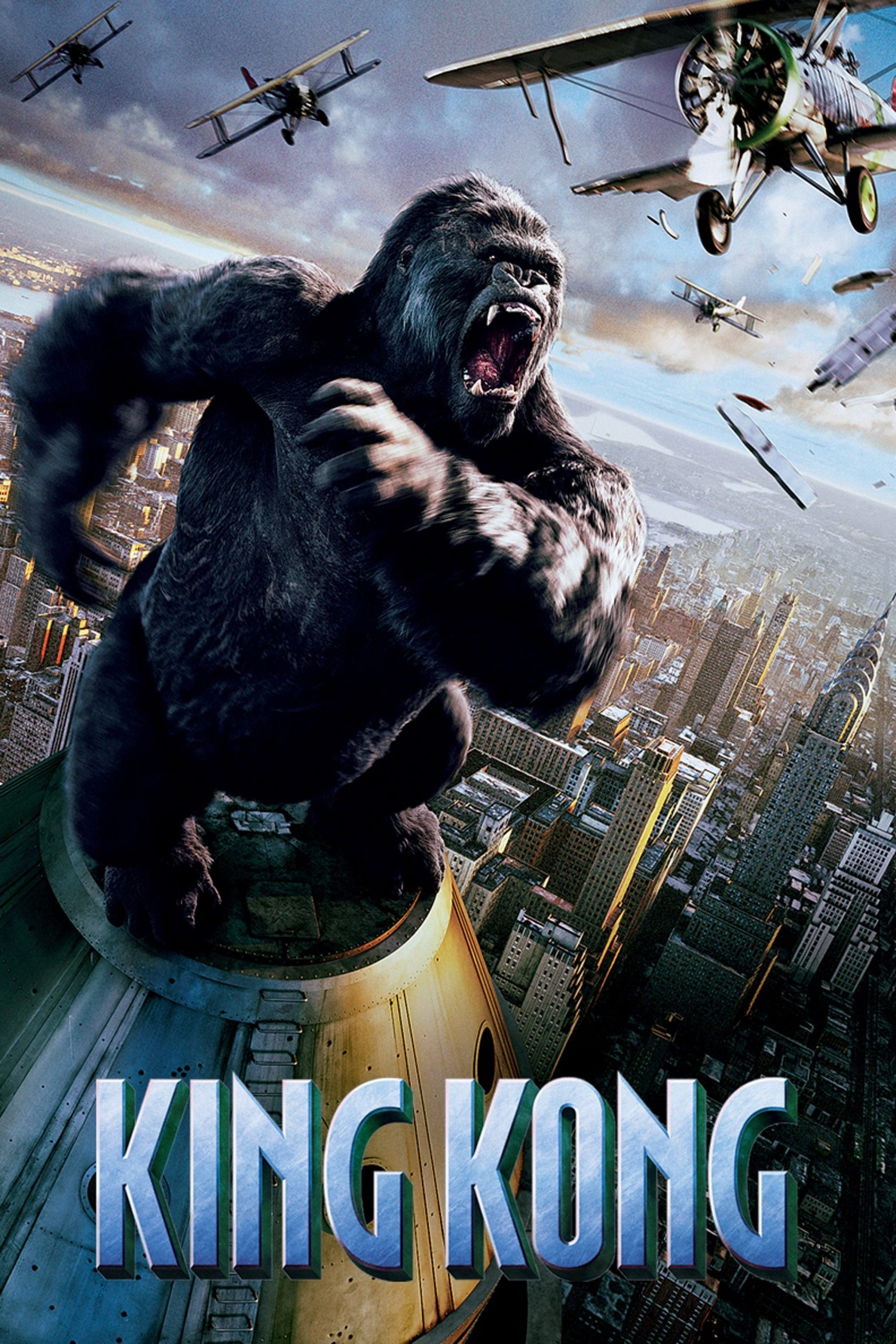
When Kong is transported to New York, the film’s fundamental tension snaps into place. Every time I see the shots of the giant ape against the Art Deco skyline, I’m reminded of how the city itself becomes a new kind of wilderness, one as brutal and indifferent as Skull Island. The airplanes that circle Kong atop the Empire State Building are not so different from the native spears and barricades; both are defenses against the other, enacted on an epic scale. The film seems to ask: what is civilization, if not another, more insidious jungle, teeming with its own beasts and cages? I’ve always sensed a perverse satisfaction in the city’s victory over Kong, as if the “civilized” world can only define itself through the defeat of the monstrous. In that moment, the boundaries between progress and violence blur, and the city reveals its own appetite for spectacle and sacrifice.
Spectacle and Suffering: The Price of Entertainment
There’s an uncomfortable irony in how “King Kong” critiques the very system it inhabits. As Denham parades Kong before a paying audience, I can’t help but see a mirror held up to the act of moviegoing itself. The audience’s fascination with Kong’s suffering, their gasps and delight, are not so different from my own as a viewer—drawn by the promise of the extraordinary, complicit in the pain that makes it possible. The film forces me to confront the paradox of entertainment: spectacle, especially when it involves the “other,” is always tinged with cruelty and loss. By the time Kong falls, the applause feels hollow. I’m left wondering what price we pay, in empathy and in understanding, for the pleasures of looking.
A Love That Can’t Survive the World It Inhabits
If there’s one image from “King Kong” that lingers in my mind, it’s that final, impossible embrace between Ann and Kong before the end. The film’s most devastating truth, for me, is that the world is hostile to love that crosses boundaries, especially those as vast as species, class, and culture. Denham’s famous line—“It was Beauty killed the Beast”—always strikes me less as an indictment of Ann than as an admission that the world is constructed to destroy anything that doesn’t fit its narrow definitions of belonging. Beauty did not kill Kong; the world did. Every time I watch, I feel the film asking whether real connection is possible in a world built to punish difference. I want to believe it is, but Kong’s fall is a reminder that such hope is costly, and perhaps, in this world, impossible.
Enduring Echoes: What Remains After the Climax
Long after the helicopters have circled away, I find myself haunted by the echoes of Kong’s story. The film’s legacy is not just in its technical wonders or its place in cinematic history, but in the ache it leaves for all the creatures—monstrous or otherwise—who never find a place in the world that captures them. Every time I revisit the film, I’m reminded that stories of monsters are almost always stories about ourselves: our fears, our cruelties, our longing for wonder, and our deep, unspoken loneliness. “King Kong” is a tragedy not just because the beast dies, but because the world that kills him does so without ever trying to understand what he really is. That, for me, is the film’s most enduring—and unsettling—question: what monsters do we create, and destroy, because we lack the courage to see them as anything else?
If You Feel the Ache Too: Two Films That Echo Kong’s Lament
When I want to revisit the ache I feel after “King Kong,” I often turn to “Frankenstein” (1931), with its similarly tragic vision of a misunderstood being destroyed by the world’s fear. Another film that resonates is “Beauty and the Beast” (1946), whose dreamlike poetry and sympathy for the outsider offer a different, but equally moving, answer to the question of whether love and difference can ever coexist.
If you’re curious about how this film was originally perceived or how it compares to similar works of its era, these resources may be helpful.
🎬 Check out today's best-selling movies on Amazon!
View Deals on Amazon