
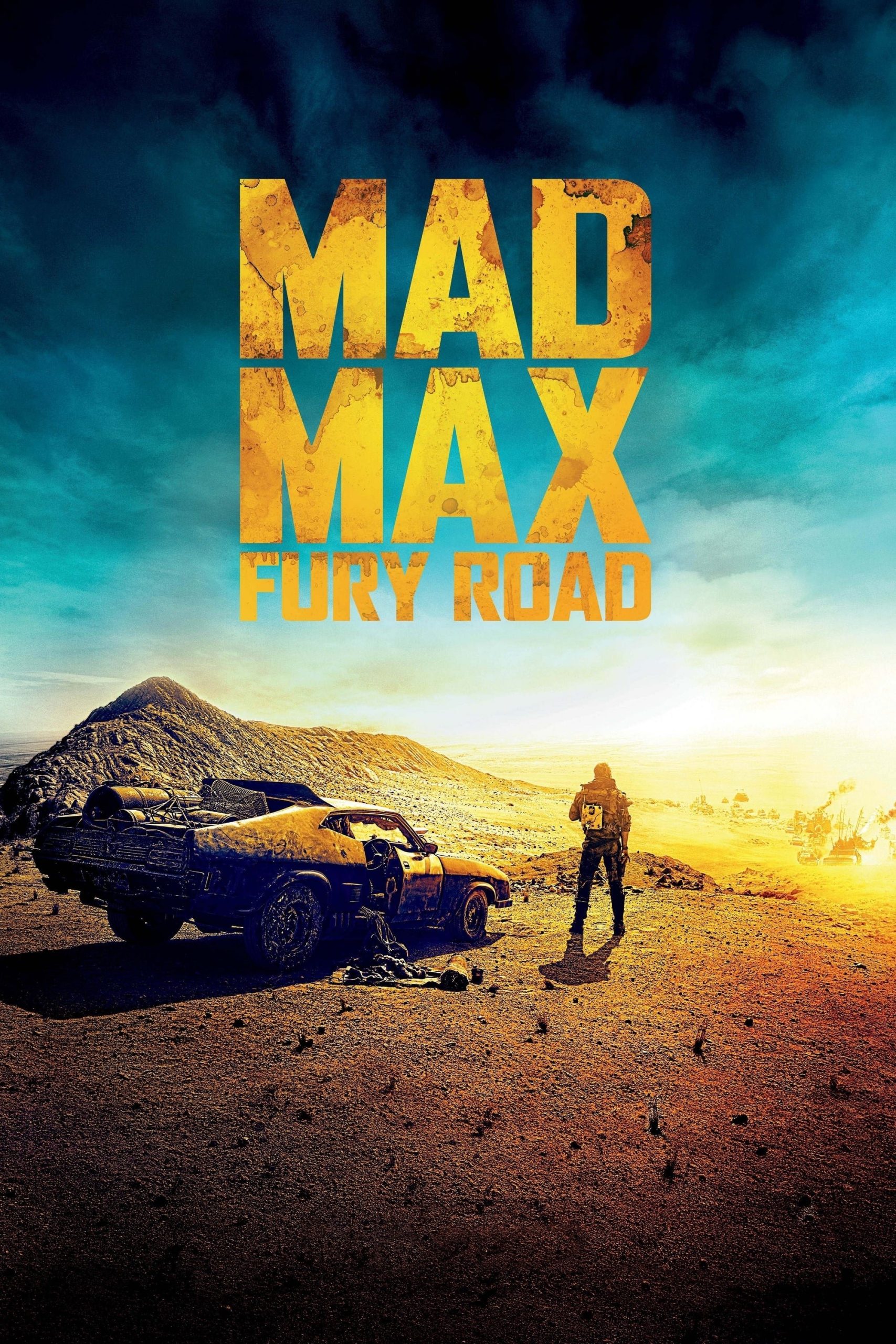
Engulfed by Engines: My First Encounter With Fury
The day I first watched Mad Max: Fury Road, I left the theater feeling as though I’d been hurled through a sandstorm, tossed in the slipstream of something both ferocious and strangely beautiful. This film didn’t feel like anything I’d seen before, not just because of its relentless action, but because it pulsed with a primal, almost mythic urgency. The explosions and roaring vehicles were just the surface; the real engine of this film was humming somewhere much deeper. That sense of velocity, that tension between chaos and order, became the lens through which I view its relentless, haunting world—one where survival isn’t just a matter of fuel and water, but of reclaiming one’s humanity from the wreckage.
The Machinery of Control: Power and the Architecture of Oppression
What always catches me off guard about Fury Road is the way its world is constructed around power—literally built into the landscape, embedded in the Citadel, the War Rig, and the ritualistic machinery of Immortan Joe’s regime. Every engine and gear feels like an extension of a system determined to crush autonomy. The Citadel’s waterfalls, the chained War Boys, and the grotesque display of “breeders” high above the rabble aren’t just world-building; they’re a visual argument about the commodification of life, especially women’s bodies and the labor of the desperate. The machinery isn’t secondary; it’s the very language of control. Each set piece becomes a stage for resistance, making every escape, every crash, every act of sabotage feel like a tearing down of unjust hierarchies piece by piece.
Furiosa’s Gaze: The Hope and Rage of Reclamation
I keep returning to Charlize Theron’s Furiosa when I think of what this film is truly saying. The camera lingers on her face—not to sexualize or idealize, but to thrust us into her desperation, her quiet plotting, her bursts of rage and hope. Her journey is not just geographical; it’s existential. Furiosa’s rebellion is an act against the tyranny of narrative itself—against the story that says her only worth comes from obedience or fertility. Each time she wipes engine grease across her brow, it feels more like war paint than grime. When she finally collapses to her knees, her scream isn’t only grief—it’s a challenge hurled at the wasteland, a demand that something human persist beyond the reach of tyrants. Through her, the film insists that freedom is a process, not a destination; defiance is as much an inner state as it is a physical act.
Max as Witness: The Reluctant Ally in a Broken Landscape
Max himself is a fascinating anomaly here. He’s the film’s namesake, yet his arc is less about leadership and more about learning to bear witness to another’s struggle without subsuming it. So many stories would have had him rescue the women, but here he’s swept along by Furiosa’s drive, slowly learning to trust, to let go of his own trauma, and to share agency. When he offers his blood to save her, I see a transference—not of power, but of belief. It’s a rare cinematic moment where the macho action hero’s strength becomes most meaningful in service, not dominance. Max’s willingness to move from lone survivor to companion is the film’s quietest revolution—a statement that survival alone is not enough, that shared purpose is what makes the wasteland endurable.
The War Boys’ Delirium: Sacrifice and the Myth of Glory
There’s a manic poetry to the War Boys—their chrome-toothed grins, their chants of “witness me!” as they hurl themselves toward death. The desperate yearning for recognition, the intoxication of martyrdom, and the twisted mythologies fed by Immortan Joe all point to something disturbingly familiar: a society so hollowed by deprivation that death in service to power becomes the only imaginable form of transcendence. Watching Nux’s arc unfold, I realize that the War Boys’ faith isn’t just fanaticism—it’s a symptom of deep spiritual starvation. The moment Nux finds meaning not in sacrifice, but in connection (his trembling hand, his final act of empathy), the film quietly dismantles the cult of glory. It whispers that true legacy isn’t built from destruction, but from fleeting, fragile acts of humanity.
Sand and Sky: The Wasteland as a Moral Frontier
I often think of the desert in Fury Road as more than setting—it’s a crucible, a place where the characters are stripped down to essentials, forced to confront what endures when everything else has withered. The colors, the endless dunes, the hallucinatory storms all evoke a sense of mythic trial. In this world, morality isn’t an inherited code; it’s something forged anew through suffering and choice. The contrast between the Citadel’s lush water and the vast emptiness beyond underscores how resources—water, fuel, seeds—become not just objects of desire, but tests of character. Each journey into the wasteland is an act of faith, a declaration that there must be something worth returning to, even if it’s only the hope of redemption.
Femininity Refused and Remade: The Many Mothers
What lingers longest for me is the film’s radical approach to gender and resilience. The Vuvalini, the “Many Mothers,” emerge from the dust as living legends, guardians of lost seeds and forgotten wisdom. They are not nurturing archetypes or victims; they are warriors, memory keepers, and survivors. Fury Road’s women are not symbols—they are agents of their own destiny, refusing both the Citadel’s exploitation and the reductionist clichés of much action cinema. The pain in Furiosa’s eyes when she learns her home is gone, the determination of the older women to plant seeds, even in poisoned ground—these moments root the film’s wild spectacle in a deep, quiet sorrow and resilience that can’t be erased by violence. For me, the seeds that the Many Mothers carry are the film’s truest promise: a belief in the possibility of renewal, even—or especially—when everything else seems lost.
The Redemptive Power of Movement: Escape as the Only Prayer
The idea that the only way out is through—the only hope is the desperate, doomed attempt to flee—echoes throughout Fury Road. The film’s kinetic structure, its refusal ever to settle, reflects the relentless survival instinct of its characters. Movement here is resistance: to stagnate is to die, to keep moving is to hope. The War Rig’s journey is a physical and spiritual odyssey, not just away from oppression but toward something undefined—a home that exists only as a memory or a dream. In the moment when Furiosa and Max decide to turn back, to seize the Citadel rather than vanish into nothingness, the film transforms escape into revolution. It’s not enough to run; sometimes, to reclaim the future, you must take the source of power itself.
Echoes of Fury: Classic Films That Share Its Spirit
Whenever I try to place Mad Max: Fury Road in conversation with other films, two titles always surface—films that, in their own eras, asked what it means to resist, to survive, and to find hope in desolation:
- The Grapes of Wrath (1940) – John Ford’s vision of exodus and endurance under impossible circumstances.
- Blade Runner (1982) – Ridley Scott’s meditation on rebellion, humanity, and the search for meaning amid dystopian decay.
If you’re curious about how this film was originally perceived or how it compares to similar works of its era, these resources may be helpful.
🎬 Check out today's best-selling movies on Amazon!
View Deals on Amazon