
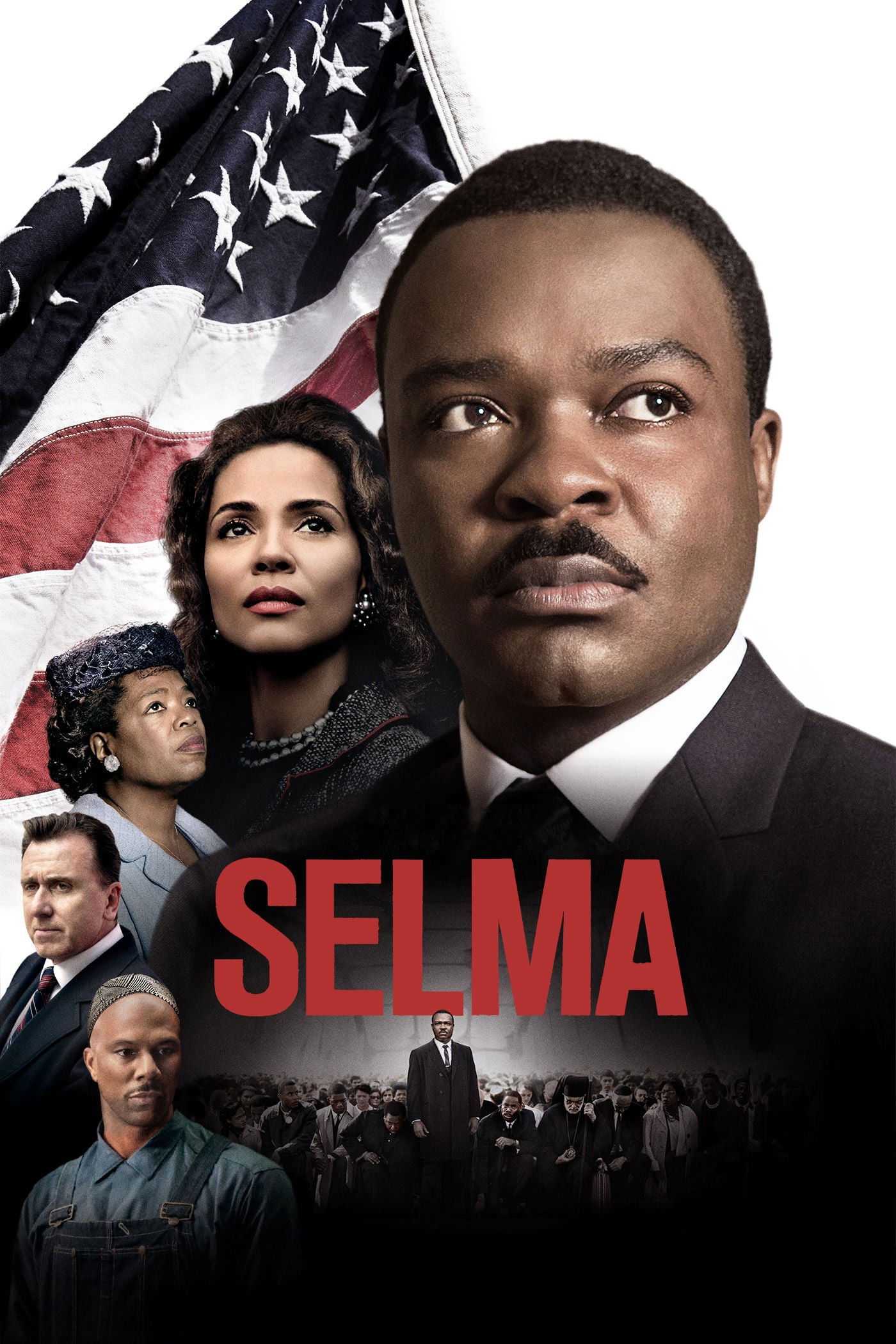
When I first sat down to watch “Selma,” I thought I was prepared. As someone who has spent years watching and writing about historical dramas, I have grown accustomed to a certain detachment—a way of letting a film pass through me, leaving only intellectual traces. But “Selma,” directed with precision and empathy by Ava DuVernay, pierced that veil of critical distance almost immediately. Within minutes, I was shaken, not merely by the vivid and often harrowing recreation of events but by the film’s deeply human core. For me, “Selma” was never about passive absorption; it demanded not only my attention but also my moral reckoning. It’s rare that a film gives me that lingering ache behind the eyes—a blend of personal shame for what I thought I already knew and a renewed hope that art can still galvanize, disrupt, and heal. “Selma” is not a monument. It’s a living, beating reminder of struggles tragically close to our present moment.
Walking in Shoes Worn Thin by Dreams and Strife
At its core, “Selma” traces the emotional and strategic journey of Martin Luther King Jr., his fellow activists, and the Black residents of Selma, Alabama, as they mobilize for voting rights. I was immediately struck by how DuVernay refuses to reduce these civil rights leaders to untouchable icons. Instead, she carves out extraordinary space for uncertainty, frustration, and heartbreak. When I watched David Oyelowo’s passionate, wearied Dr. King, the film’s moral complexity felt overwhelming. Here was not a mythic hero striding through history with unerring conviction, but a man beset by doubts, marital friction, and the terrifying burden of responsibility.
It’s this willingness to show King’s exhaustion, his moments of prayerful hesitation, that made the “march” for me far more than a physical journey. The true emotional conflict winds through betrayals and broken bones, through bloodied bridges and burned-out hope. As the people of Selma endure violence from police and indifference from politicians, every step toward Montgomery becomes weighted with a unique mix of courage and vulnerability. Watching the film, I found myself hyper-aware of how each protestor risked not just their own safety but also the emotional safety of their families. This risk is not abstract; “Selma” ensures that we inhabit the fear and hope of ordinary people suspended between endurance and exhaustion. For me, the march across Edmund Pettus Bridge became a crucible for the American spirit—one driven by the collective, not the individual.
Legacy on Trial: The Struggle for Voice and Dignity
For a film rooted in a defining moment of the 1960s, “Selma” manages to speak—sometimes shout—across generations with a vibrancy that is both harrowing and invigorating. The main theme, as I absorbed it, was the struggle for voice: the demand not only to be heard but also to be recognized as fully human in the eyes of the law, the public, and the self. DuVernay deftly interrogates the tension between activism and politics, never letting us forget how fragile victories can be, even when the larger outcome seems assured by hindsight.
In 2014, “Selma” resonated as both a timely retelling and a stark warning. That year was thick with echoes of Ferguson, Eric Garner, and the earliest moments of the Black Lives Matter movement. Watching “Selma” during that moment, I found the film’s depiction of state-sanctioned violence—tear gas, truncheons, dogs—an inescapable parallel to the images flashing nightly on the news. Even now, after the murder of George Floyd and subsequent protests, “Selma” has hardly aged; if anything, its themes feel more urgent. The notion that the vote is a battleground rather than a birthright is, depressingly, just as topical in today’s headlines about voter suppression and legal rollbacks.
But there’s a deeper theme here, one that I felt humming under the film’s surface: the price of dignity—not just public victory, but survival with your soul intact. In every negotiation with LBJ, every whispered doubt with Coretta, King battles not just segregation but the corrosive force of cynicism. When justice is denied repeatedly, when every gesture of hope is met with brutality, simply holding onto belief takes on a radical significance. That lesson, rendered with heartbreaking clarity, is what kept me returning to “Selma” long after the credits rolled.
Echoes in Blood: Visual Handles and Repeated Imagery
DuVernay is a director who thinks in motifs, and each of her choices in “Selma” is calculated for maximum resonance. The act of walking—feet meeting pavement, knees buckling under blows—quickly becomes a recurring visual language. I lost track, honestly, of how many times the camera lingered on shoes: battered loafers, Sunday best pumps, old boots. These shots are never gratuitous. For me, they symbolized the cost of progress: that each stride forward exacts a toll, both physical and spiritual. The repetition transforms walking into a sacred ritual, lit by the resolve of those who refuse to turn back.
Another motif that haunted me throughout the film was the relentless use of barriers: fences, walls, lines of lawmen, the endless stretch of the bridge. These are not just physical impediments but psychological obstacles to hope and unity. Each frame of tense standoff emphasizes how the struggle for voting rights was never just about paperwork or ballots—it was about confronting institutions designed to crush the will of the marginalized.
I was particularly moved by how DuVernay employs sound—particularly silence—as a symbol. There are moments when the chanting of marchers gives way to almost unbearable quiet, punctuated by the scuff of leather against gravel or the distant gasp for breath. This silence, for me, is the void into which demands for justice often disappear. That choice, more than any dialogue, conveys the loneliness of protest and the ache of waiting for a nation to listen.
Moments that Altered My Pulse: Pivotal Scenes Dissected
“Bloody Sunday”: Shockwaves from the Bridge
No scene in “Selma” left me more broken than the re-creation of Bloody Sunday. As the marchers cross the Edmund Pettus Bridge only to be met by billy clubs and clouds of gas, DuVernay’s methodical pacing shatters the illusion of cinematic remove. What struck me was not just the brutality but the vulnerability on display—the close-ups of terrified young faces, the visceral sounds of chaos. I could feel my pulse quicken as the camera refused to look away from horror. DuVernay is almost surgical here, transforming historical violence into an indictment: viewers, she seems to say, are you watching? Are you implicated? For me, this sequence is not only a technical triumph but a masterclass in emotional immersion.
Private Doubts, Public Masks: Martin and Coretta’s Conversation
For all its public spectacle, “Selma” finds gravity in quiet domestic scenes. The fraught conversation between Martin and Coretta Scott King is an emotional apex. What lingers for me is the undercurrent of fear, insecurity, and love that winds through every line. As Coretta (Carmen Ejogo) challenges Martin—raising the specter of infidelity, voicing her terror for their children—the camera lingers on her face, revealing years of burdens unimaginable to most. Their exchange is not just a marital argument; it’s an excavation of what it means to lead, to sacrifice, to carry a movement on increasingly weary shoulders. I found this scene to be a devastating reminder that resistance demands more than slogans; it exacts a price from every human relationship it touches.
The Final March: The Poetry of Endurance
The film’s final march to Montgomery feels less like triumph and more like deliverance—a hard-won, bittersweet step into uncertain territory. As King delivers his speech on the steps of the state capitol, Oyelowo captures the paradox of celebration haunted by grief. I was struck by the exhausted joy on marchers’ faces, the mournful pride that saturates the crowd. Miracle though it may seem that the Voting Rights Act followed, the film insists on the difficulty of true change. For me, the slow, almost funereal pacing of this last sequence underlines the truth: progress is cumulative, never absolute, always freighted with losses as well as victories.
Reading Between the Lines: Critic Responses versus My Own
“Selma” quickly became a lightning rod in critical circles—praised for its urgency, pilloried by some for its creative liberties. The film’s depiction of President Lyndon B. Johnson, in particular, sparked fierce debate. Some critics argued that DuVernay unfairly downplayed LBJ’s commitment to civil rights; others countered that this narrative choice illuminated the frustratingly slow pace of government action. I saw both sides, but my personal response was far more visceral than analytical. For me, the film’s treatment of LBJ was a refreshingly honest rebuke to the hagiographic mode that too often invades historical biopics. DuVernay is unafraid to show how even allies of progress can be hesitant, risk-averse, and complicit in delay. In a story driven by the moral clarity of its oppressed, that ambiguity felt right. King’s lobbying visits to Washington underline the necessity of activism outside official channels—a fact I see reflected in almost every present-day movement.
Another common viewpoint frames “Selma” as an inspirational film—a galvanizer, a rallying cry. While I agree with this to a point, I find the film much sadder, heavier in its quiet moments than most reviews suggest. It’s not simply a victory lap for democracy; it’s a meditation on the psychic toll of resistance and the price paid by those who step into the crosshairs of history. The final image is neither of triumph nor defeat but of weary hope—a nuance that, for me, deepens its impact.
Footsteps in the Same Dust: Films that Echo “Selma’s” Spirit
- “Malcolm X” (1992): Spike Lee’s epic is, like “Selma,” a sprawling, deeply personal portrait of struggle and reinvention—another entry in the canon of American reckoning.
- “Mississippi Burning” (1988): Though it centers on white investigators, this film wrestles with the brutality and chaos of the 1960s South in a way that violently intersects with “Selma’s” depictions of authority and fear.
- “The Butler” (2013): Lee Daniels’ film explores the shifting tides of civil rights through the lens of a single family; its chronology often echoes “Selma’s” blend of public and private struggle.
- “Fruitvale Station” (2013): Ryan Coogler’s haunting, intimate portrait of Oscar Grant’s last day draws contemporary lines of kinship with “Selma,” especially in visualizing the cost of state violence.
Afterimages: Why “Selma” Demands to Be Watched Today
“Selma” belongs to a rare class of films that remain uncannily alive with each new viewing. For me, it’s a film that refuses to recede into the costume drama comfort zone—it remains uncomfortably urgent, painfully relevant, and breathtaking in its technical and emotional achievement. This is not just recommended viewing; it is, I would argue, a moral imperative for anyone seeking to understand American democracy’s wounds and its elusive promise. The act of looking back, in DuVernay’s capable hands, becomes an act of looking sharply at ourselves.
If you found value in my perspective, you may also appreciate my analyses of “12 Years a Slave” and “The Long Walk Home.”
To broaden this interpretation, you may also explore how critics and audiences responded over time.
🎬 Check out today's best-selling movies on Amazon!
View Deals on Amazon