
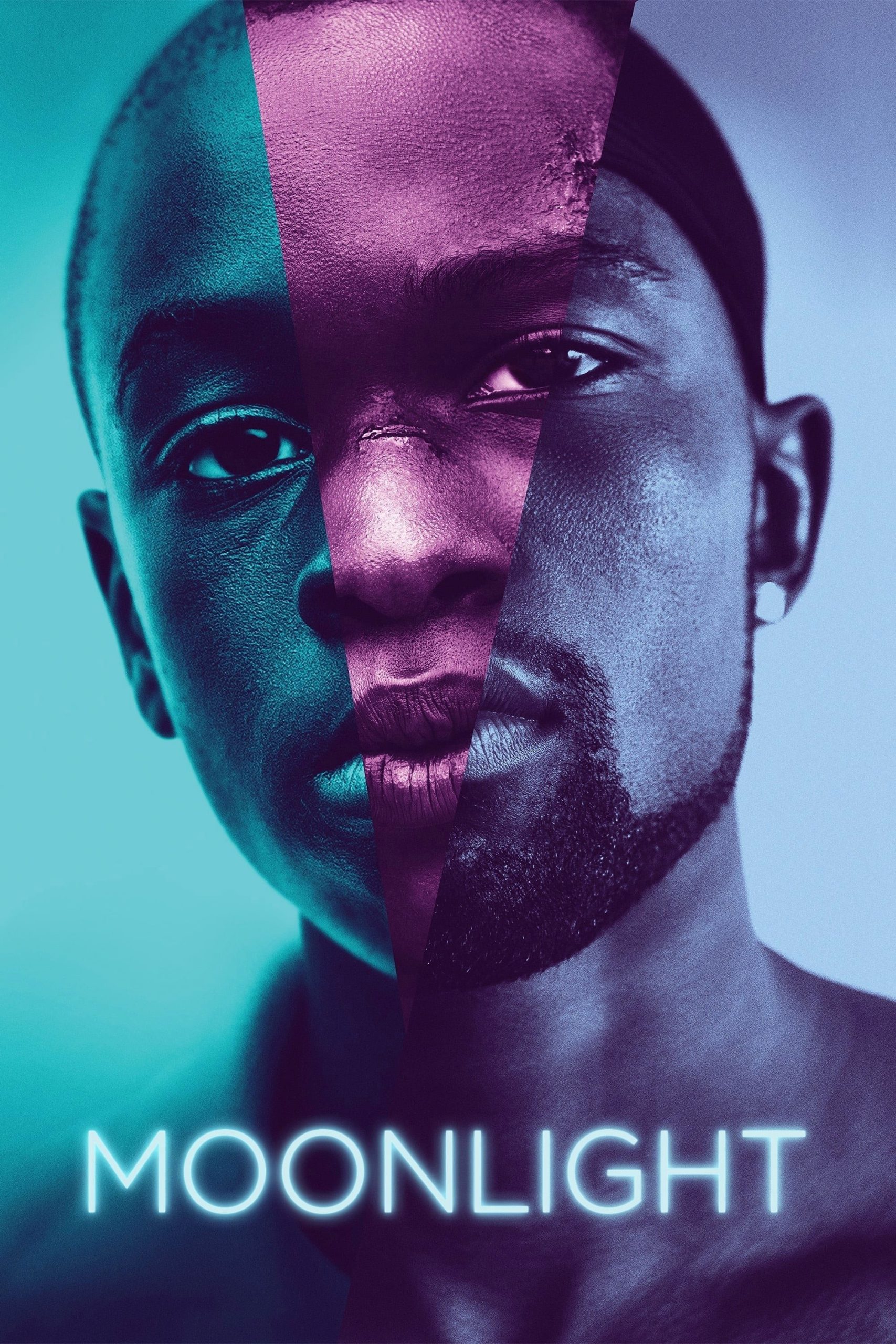
There are films that haunt me long after the credits, nesting quietly in the folds of my memory, only to reemerge at moments of unexpected reflection. “Moonlight” is one such film; when I first watched it, I found myself immobilized for several minutes afterward, not by the tragedy depicted, but by the quiet conviction with which it gives voice to the questions I rarely see treated honestly in cinema: What does it mean to become oneself while no one is watching? There was a particular afternoon—the sun low, my city restless—as I left the theater with my mind circling around the kind of loneliness that is both crushing and, paradoxically, universal. This was the resonance I found in “Moonlight”: not simply the story it told, but the way it exposed how watching can be an act of empathy, or a wound.
What the Film Is About
At the heart of “Moonlight” is a quiet revolution—a refusal to give in to easy answers about identity, masculinity, and human connection. The film traces the journey of Chiron, a Black boy growing up in Miami, through three defining chapters of his life (childhood, adolescence, adulthood), each marked by a search for belonging and self-understanding. What struck me most was how the film frames its central conflict not as a dramatic external confrontation, but as an internal odyssey—a young man learning how to shield himself from harm, and perhaps even more frighteningly, how to let himself be seen. It is, in so many ways, the story of a soul unfolding under immense societal pressure, and how each small act of kindness or cruelty shapes what is revealed and what is hidden.
Undeniably, the emotional thrust of “Moonlight” is less about romantic fulfillment or external triumph than it is about survival—in every sense. There is a raw legitimacy in the way the film treats love, longing, and shame, as Chiron is pushed and pulled by forces both intimate and systemic: the neglect of his mother, the violence from peers, the rare tenderness of mentors. The beauty of this film, as I experienced it, is its clarity in expressing that to exist—to persist—in one’s truth is itself an act of heroism. What the film is trying to say, particularly for those at the intersections that Chiron inhabits, is that visibility (even self-visibility) can be radically transformative.
Core Themes
Perhaps the most searing theme for me is the ache of suppressed identity. Chiron’s experience as a poor, queer Black boy is rarely depicted with such intimacy and dignity, and the film’s consideration of how shame and silence warp the self felt not just timely but enduringly urgent. In 2016, when public discourse around representation and intersectionality was becoming mainstream, “Moonlight” sounded a new note: that the search for authenticity is complicated by the roles we are forced to perform—at home, on the street, within ourselves. This is not simply a question for Black or queer audiences; it is a challenge for anyone struggling to live wholly, without apology. The movie stares down the machinery of masculinity and racism alike, showing both as constraints that must be navigated even as they shape the path forward.
Another critical theme is the importance of chosen family and the sustaining power of kindness. For Chiron, people like Juan, Teresa, and later Kevin represent lifelines—anchors of warmth in an otherwise hostile environment. What moved me deeply was how the film never flinches from the pain of abandonment yet continually offers hope, however slight, in moments of gentle caretaking and recognition. The tragedy and triumph of “Moonlight” dwell in its affirmation that even bruised, neglected souls may yearn for, and find, moments of grace. That message remains as necessary today as it was at its release—a gentle, steady riposte to a society quick to categorize and dismiss those who do not easily fit.
Symbolism & Motifs
From the very first frame, I recognized that water operates as a vital metaphor throughout “Moonlight”. In scenes of both comfort and danger, it recurs: Chiron learning to swim under Juan’s tender instruction, or later, standing at the edge of the ocean with Kevin. For me, these moments symbolize baptism and rebirth, a cleansing and a return to possibility. Water becomes a site where Chiron can release himself from the strictures of his daily life—even if only fleetingly.
The motif of silence is equally rich and fraught. Chiron is often wordless, sometimes by choice, sometimes by necessity. The film’s long, lingering takes dwell on his reticence, establishing a language of observation and physicality. This silence is not empty but charged: every glance, every withheld confession, seems to ask the audience to lean in and notice what is not said. Through my eyes, the film’s quiet is the site of resistance and yearning—a space where the possibility for self-discovery flickers against all odds.
Finally, the moonlight itself becomes a recurring motif, both literal and metaphorical. Juan’s story about black boys looking blue in the moonlight gives the film its title but, more importantly, a framework: under moonlight, differences are softened, and the boundaries that pain Chiron are remade as something beautiful, albeit ephemeral. For me, the moonlight is respite—a fleeting dream of wholeness, echoed in the luminous nighttime cinematography that makes every surface shimmer with potential.
Key Scenes
Learning to Swim: Baptism and Rebirth
One moment that lingers is when Juan teaches young Chiron to float in the ocean. The intimacy of this act—both literal and emotional—shadows the film’s undercurrent: the question of who holds us afloat when the world wants to see us sink. For me, this is a rare depiction of Black masculinity as nurturing, protective, and deeply tender—a scene that upends stereotypes through the gentlest of gestures.
The Schoolyard Confrontation: Violence and Self-Assertion
I can’t shake the scene in which Chiron, in his teenage years, finally retaliates against his tormentor. The violence is both shocking and inevitable, but what haunted me was not the act itself, but the emptiness that follows. In this moment, self-assertion and self-destruction appear inseparable; Chiron claims the right to be seen, but at great personal cost. Here the film confronts the audience with the cycles of harm perpetuated by silence and neglect, forcing us to ask what alternatives might truly heal.
Reunion at the Diner: Yearning for Connection
Toward the film’s end, the reunion between adult Chiron and Kevin over a late-night meal crystallizes all the undercurrents that came before. The entire movie contracts into this exchange, tense and hopeful, as the two men navigate shared memory and unspoken longing. To me, this is not just a scene of romantic tension, but a fragile negotiation of trust. Everything that Chiron cannot say about himself is suspended in the air, and it’s this vulnerability that gives the film its emotional force: the belief that, with courage, connection is still possible.
Common Interpretations
Many critics view “Moonlight” as a universal coming-of-age film that happens to be set in a specific context—queer, Black, working-class America. This reading is valid: there is a universality here, but I have always felt that the film’s particularity is precisely what gives it power. The danger in overemphasizing the “universal” is that it risks flattening out the nuanced forces Chiron faces—homophobia, the wariness born of poverty, race-inflected danger—which are specific, acute, and not easily transferable to other contexts. For me, it is the film’s devotion to the textures of Chiron’s world—the blue-lit streets, the cacophony of voices, the way sunlight and shadow define him—that makes his quest for selfhood feel so urgent.
Others see the film as a love story, and there’s merit in that too, though in my eyes, “Moonlight” is more an elegy for lost innocence and a meditation on the courage required to be truly seen—by oneself and by another. The romance is not the endpoint, but a revelation of possibility. Ultimately, popular interpretations are skewed toward hope; my own reading is more bittersweet: the beauty of the film lies in its refusal to tidy away suffering, even as it insists on the dignity of survival.
Films with Similar Themes
- Call Me By Your Name (2017): Explores queer desire and the bittersweet process of coming-of-age against the backdrop of societal restraint and first love.
- Pariah (2011): Centers on a young Black woman’s coming-out journey within a strict home, echoing “Moonlight’s” themes of identity, familial rejection, and self-authorship.
- Brokeback Mountain (2005): Examines forbidden love between men in a hostile world, with both films highlighting the cost of secrecy and the ache of unfulfilled longing.
- If Beale Street Could Talk (2018): Shares “Moonlight’s” lush aesthetic and focus on Black love, anchoring personal struggles against broader social injustices.
Final Thoughts: Why “Moonlight” Matters Now
Modern viewers may find themselves challenged to slow down and truly see the story that “Moonlight” tells—a story distilled to gestures, silences, and glances. Approaching the film means surrendering to its pacing and its unwavering gaze on complicated truths. For those willing to look past surface plot, I believe the film’s themes—radical empathy, the difficulty of growing into oneself, the necessity of kindness—offer not just catharsis but an urgent invitation to reconsider how we see ourselves and others. Each return to this film peels back new layers, revealing deeper grace and sharper pain.
Related Reviews
If you found value in my perspective, you might also enjoy exploring my thoughts on other cinematic landmarks such as “Pariah” and “If Beale Street Could Talk”.
To broaden this interpretation, you may also explore how critics and audiences responded over time.
🎬 Check out today's best-selling movies on Amazon!
View Deals on Amazon