
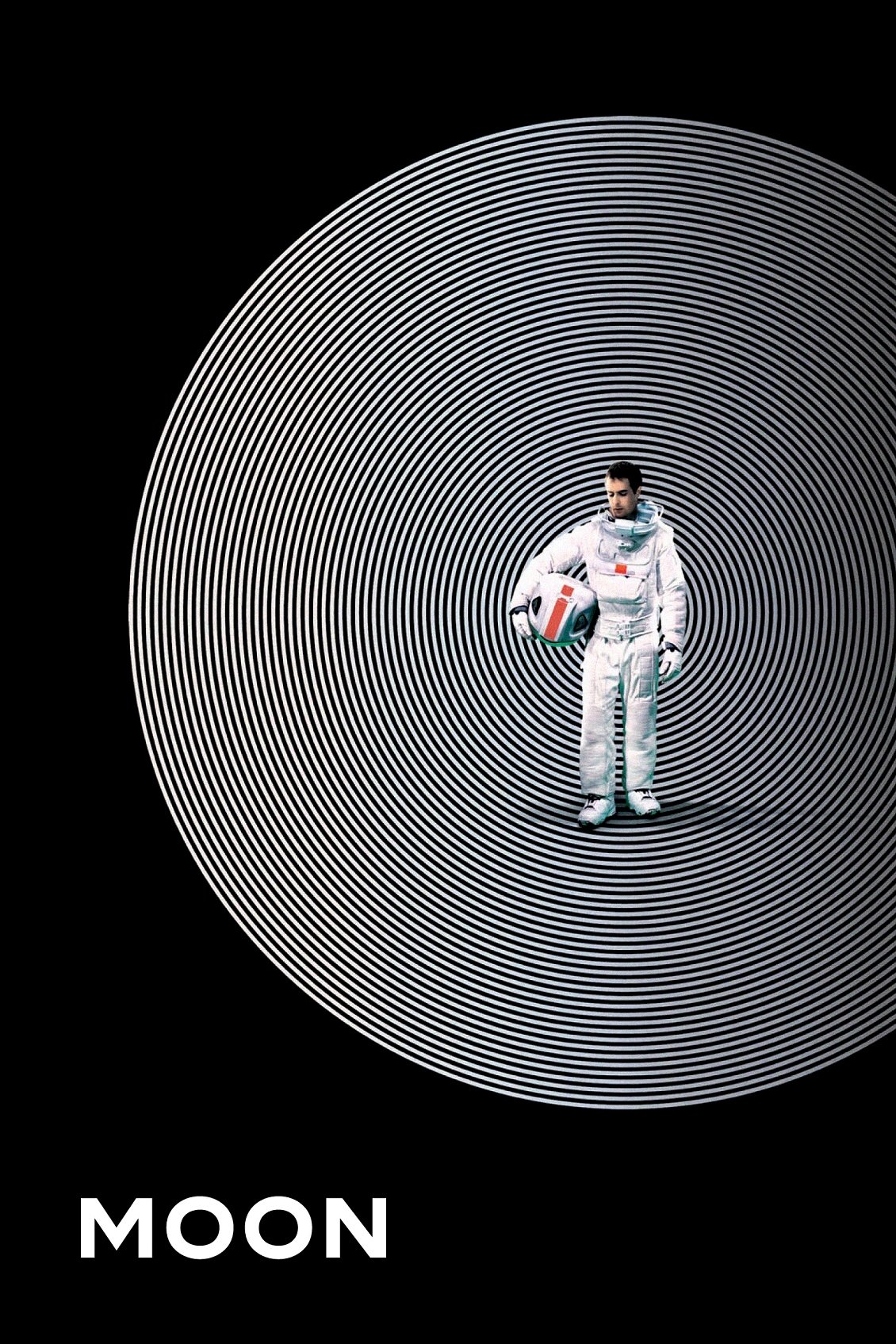
Waking Up Alone in the Middle of the Moon
I’ve never felt so personally haunted by a film’s quiet spaces as I did the first time I watched “Moon”. There’s something almost claustrophobic about the way the film’s silence wraps around Sam Bell, the lone caretaker of a lunar mining base, making each moment of isolation throb with existential weight. From the very opening, I sensed that this wasn’t just a story about a man on the moon—it was a meditation on the unbearable closeness of self, and the terrifying, unspoken things we discover when left alone with our own reflection.
Reflections in Vacuum: The Self as Both Prison and Companion
The film doesn’t waste time with conventional sci-fi spectacle. Instead, it forces me, through Sam’s eyes, to confront what it really means to be alone. “Moon” harnesses isolation as both a narrative device and a philosophical challenge, asking: when everything else is stripped away, what’s truly left of us? The lunar base is sterile and efficient, but it’s also a mirror—one that shows Sam not just who he is, but who he was constructed to be. When the revelation of his true nature comes, it doesn’t just upend his sense of self—it forces me, as a viewer, to question the integrity of identity altogether. If our memories, emotions, and even our bodies can be duplicated, what exactly makes any of us unique?
Manufactured Memories: Humanity by Design
There’s a chilling brilliance to the way “Moon” interrogates the artificiality of memory and emotion. Sam Bell’s recollections are as vivid and heartfelt as mine or anyone else’s—yet they were never truly lived; they were engineered, inserted into a person designed for a specific purpose. As I watched Sam unravel, I found myself asking whether authenticity is a matter of experience or of feeling. The film slyly suggests that our deepest loves and longings might be preprogrammed, the residue of stories we tell ourselves or that others have told for us. It’s a quietly devastating notion: that everything I hold dear might be nothing but the echo of someone else’s design.
The Quiet Terror of the Familiar
What strikes me most in “Moon” is the horror not of the unknown, but of the intimately familiar. When Sam meets his double, the shock isn’t in seeing another version of himself, but in recognizing that he is both the protagonist and the imposter. The film wields doppelgänger imagery not as a twist, but as a philosophical scalpel, peeling back the layers of selfhood. Every argument, every handshake, every shared stare is like a dialogue with one’s own conscience—a relentless interrogation of worth, agency, and reality. I came away feeling that perhaps the scariest monsters aren’t alien invaders but the ways we betray and abandon parts of ourselves.
A Corporate Nightmare Disguised as Progress
The lunar mining operation’s gleaming, utilitarian surfaces barely mask a moral rot at the heart of the mission. Sam’s supervisors, communicating only through cold, delayed transmissions, are never villains in the mustache-twirling sense. They’re far more chilling: the face of an amoral system that consumes individuals and spits out facsimiles with calculated efficiency. The film’s true antagonist is the ethical vacuum at the core of corporate ambition, a machine that values profit over personhood. Watching Sam’s desperate attempts to assert his humanity, I felt a growing anger—not at any one character, but at a system designed to erase all traces of individuality, warmth, and rebellion. This is a story about how institutions commodify the human spirit, reducing even our most private memories to a tool for productivity.
GERTY: The Machine with a Conscience
If Sam’s journey is a study of what it means to be human, then GERTY is the film’s slyest commentary on artificial empathy. The base’s robotic assistant, voiced with disarming gentleness by Kevin Spacey, is an echo of Kubrick’s HAL 9000—yet inverted. GERTY’s digital emoticons and measured words mask not menace, but a curious, almost tragic loyalty. I found myself unexpectedly moved by GERTY’s struggle to help Sam, even within the confines of programmed obedience. It’s a quiet assertion: sometimes the most humane character in the room isn’t human at all. Through GERTY, the film hints that empathy is not the exclusive property of biological life, and that sometimes, breaking the rules is the only way to do the right thing.
A Landscape of Loneliness: Visual Poetics on the Lunar Surface
The muted grays and blinding whites of the moon aren’t just a backdrop—they’re a canvas for Sam’s psychological journey. Every corridor, every windswept exterior, feels oppressive and infinite at once. The stark design choices strip away distraction, leaving only Sam’s emotional deterioration and rebirth in focus. I noticed how the camera lingers on empty spaces: a chair left askew, a coffee cup trembling with the vibrations of machinery. The environment itself seems to sigh with longing, echoing Sam’s search for meaning amid endless repetition. This is visual storytelling at its most deliberate: every frame a meditation on emptiness, every shadow a possible double.
Rebellion, Dignity, and the Hope of Escape
What moved me most about “Moon” wasn’t just Sam’s confrontation with his own mortality—or even his existential crisis—but his determination to reclaim his agency. The film’s quietest triumph is the assertion that dignity is possible even when everything about us is manufactured or predetermined. Watching Sam and his double scheme for freedom, I felt the rush of a hard-earned, precarious hope. In the end, the film doesn’t offer easy answers or tidy resolutions, but it does suggest that somewhere within the maze of programming and manipulation, there’s a core of stubborn humanity. It’s not about escaping the base so much as escaping a fate imposed by others—a small, flickering rebellion that feels monumental.
Recommendations from the Same Lunar Orbit
Few films have made me question my own reflection as deeply as “Moon,” but two classic works orbit a similar psychological terrain:
- Solaris (1972) – Andrei Tarkovsky’s meditation on memory and identity, set on a space station haunted by lost loves and unanswered questions.
- THX 1138 (1971) – George Lucas’s chilly vision of a future where individuality is chemically suppressed, and the struggle for personhood becomes an act of rebellion.
If you’re curious about how this film was originally perceived or how it compares to similar works of its era, these resources may be helpful.
🎬 Check out today's best-selling movies on Amazon!
View Deals on Amazon