
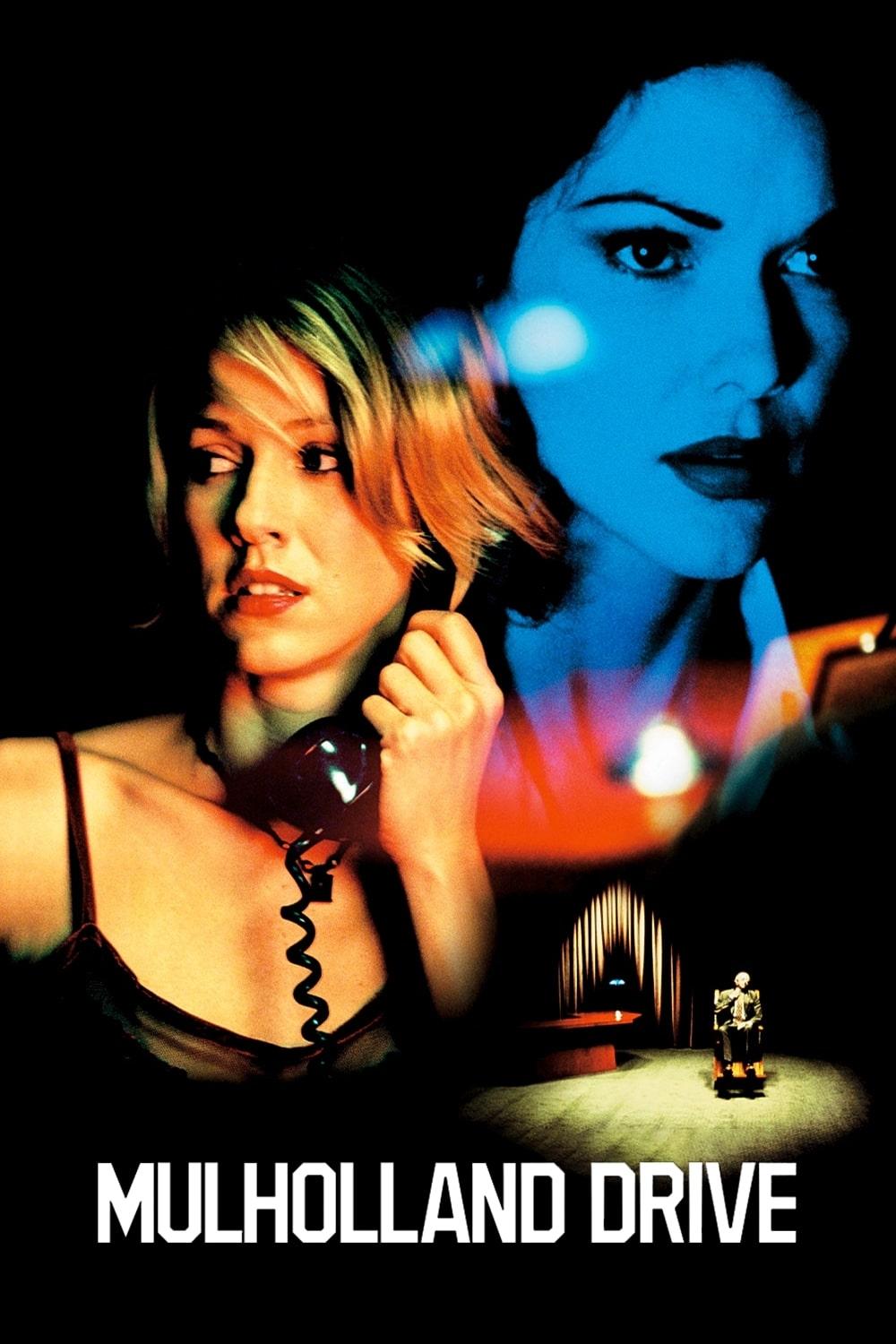
Waking up in the Dream: My First Encounter with Mulholland Drive
The first time I watched Mulholland Drive, I felt like I had stumbled into someone else’s reverie—the kind that flickers between euphoria and terror, where nothing is quite as it seems, yet everything feels intimately familiar. This wasn’t a movie that offered me shelter in clear answers or linear storytelling. Instead, I was thrust into a labyrinth of Los Angeles fantasies, doomed romance, and identity crises where every turn threatened to dissolve what little certainty I had. I remember sitting in the dim light after the credits rolled, pulse quickened, convinced I’d just experienced something closer to a séance than a film screening. David Lynch wasn’t simply telling a story—he was seducing me into the most private corridors of longing and loss, forcing me to confront how our dreams betray us.
Behind the Hollywood Facade: The City as Mirage
I’ve never seen Los Angeles rendered with such duplicitous beauty as I have in Mulholland Drive. Lynch’s Los Angeles isn’t the city of angels, but of illusions—a sprawling mirage that nourishes fantasy while feasting on hope. When I watch the film, I don’t see just palm trees and sun-washed boulevards; I see a living, breathing organism that lures dreamers in and then devours them whole. This city’s shimmer is a weapon—its promise of stardom, new beginnings, and reinvention is seductive, but always with an undercurrent of violence. Every scene feels painted with an unspoken warning: what glitters most dazzlingly may be the most dangerous thing of all.
The Double Life of Desire and Identity
From the first moments, the film teases me with dualities—Betty and Diane, Rita and Camilla, reality and dream. But nothing is as simple as a split in two. Lynch crafts these mirrorings to force me to confront how desire distorts identity—how the self can fracture under the strain of wanting, jealousy, and regret. Watching Naomi Watts’ transformation from the wide-eyed Betty to the shattered Diane, I wasn’t just observing a character’s unraveling—I was witnessing how we all rewrite ourselves when fantasy collides with disappointment. Identity isn’t a fixed thing in this world, but a performance, a costume we try on and discard in the endless audition for approval. The film suggests that the real terror comes not from outside, but from the knowledge that we might lose ourselves in the process of trying to be loved.
The Theater of Memory: Surrealism as Emotional Truth
So much of Mulholland Drive is elliptical, looping, and surreal, but every dreamlike passage strikes me as emotionally true. Lynch’s dream logic isn’t a gimmick or an excuse for incoherence—it’s a language that expresses what words cannot. The dislocation and fragmentation that define the film mirror the ways trauma and unfulfilled longing warp how we remember and make sense of our lives. I see Club Silencio not as an interlude, but as the dark heart of the movie—a place where the curtain is drawn back to reveal that everything I’ve been feeling is just smoke and mirrors. The declaration, “No hay banda!” is both an existential joke and a devastating revelation. We are always, Lynch seems to say, performing for an audience of ghosts—our memories, our regrets, the people we thought we could become.
Queerness, Performance, and the Cost of Secrets
I can’t watch the relationship between Diane and Camilla without thinking about how queerness is woven into the film’s DNA—not as explicit narrative, but as texture and subtext. The clandestine love story at the movie’s core is haunted by shame, longing, and the pain of erasure. Lynch is less interested in checking boxes of representation than in evoking the emotional cost of hiding, of wanting what one is told to forbid oneself from wanting. In the film’s fractured narrative, queerness becomes another mask, another dream role that may never be fulfilled. For me, the tragedy isn’t that Diane and Camilla can’t be together, but that their love is devoured by the machinery of an industry—and a culture—that demands silence and sacrifice in exchange for visibility.
The Haunting Power of Unanswered Questions
After more than one viewing, I’ve found myself less obsessed with “solving” Mulholland Drive and more drawn to its silences, its unanswered questions, and the spaces where meaning evaporates. The film’s refusal to explain itself is not a flaw but an invitation—Lynch trusts me to bring my own fears, desires, and interpretations to his puzzle. The infamous blue box and key don’t unlock a pat logic; they open up an emotional void, a confrontation with the fact that some wounds never heal, some mysteries are never resolved. The question isn’t what the film “means,” but what it does to me—how it stirs up my anxieties about ambition, failure, and the blurry boundaries between what I hope for and what I fear.
The Unreliable Witness: Watching Through a Shattered Mirror
Each time I return to Mulholland Drive, I become more aware of my own complicity in the illusion. Just as Diane slips between identities and realities, I too am seduced into believing, hoping, doubting. Lynch makes me an unreliable witness to my own experience; I can’t trust my memories, my desires, or even my sense of what happened between these characters. The film asks not for passive spectatorship, but for active engagement—for the courage to sit with ambiguity and resist the urge to force coherence where there is none. In this way, the film reveals that our own lives, like Diane’s, are shaped as much by projection and wishful thinking as by objective truth.
The Legacy of Disillusionment and the Seduction of the Dream
I used to think of “Hollywood” as a metaphor for the pursuit of fame at any cost, but Mulholland Drive complicates this cliché. It’s not just about disappointment, but about the very nature of desire: the agony of reaching for something unattainable, and the devastation of waking up to discover that the dream was never really yours to begin with. Lynch’s Los Angeles is both siren and executioner—a place where fantasy gives way to nightmare, where love is both blessed and poisoned by the hunger for recognition. When I watch Betty’s face collapse in slow realization, or Diane’s eyes flicker with the memory of betrayal, I’m reminded that all of us, in some way, are caught in this dance of aspiration and regret. The film lingers because it understands how the act of dreaming, especially in a world built on illusion, is both our greatest risk and our deepest wound.
A Personal Recommendation: Kindred Spirits in Classic Cinema
There are only a handful of films that conjure the same intoxicating blend of longing, danger, and fractured reality as Mulholland Drive. For those who crave another descent into the seductive, treacherous shadows of obsession and identity, I always recommend:
- Persona (1966) – Ingmar Bergman’s masterpiece of psychological doubling and identity dissolution, a film that echoes Lynch’s fascination with the blurring of self and other.
- Sunset Boulevard (1950) – Billy Wilder’s caustic fable of Hollywood’s dark underbelly, ambition, and self-delusion, where dreams curdle into nightmares beneath the California sun.
If you’re curious about how this film was originally perceived or how it compares to similar works of its era, these resources may be helpful.
🎬 Check out today's best-selling movies on Amazon!
View Deals on Amazon