
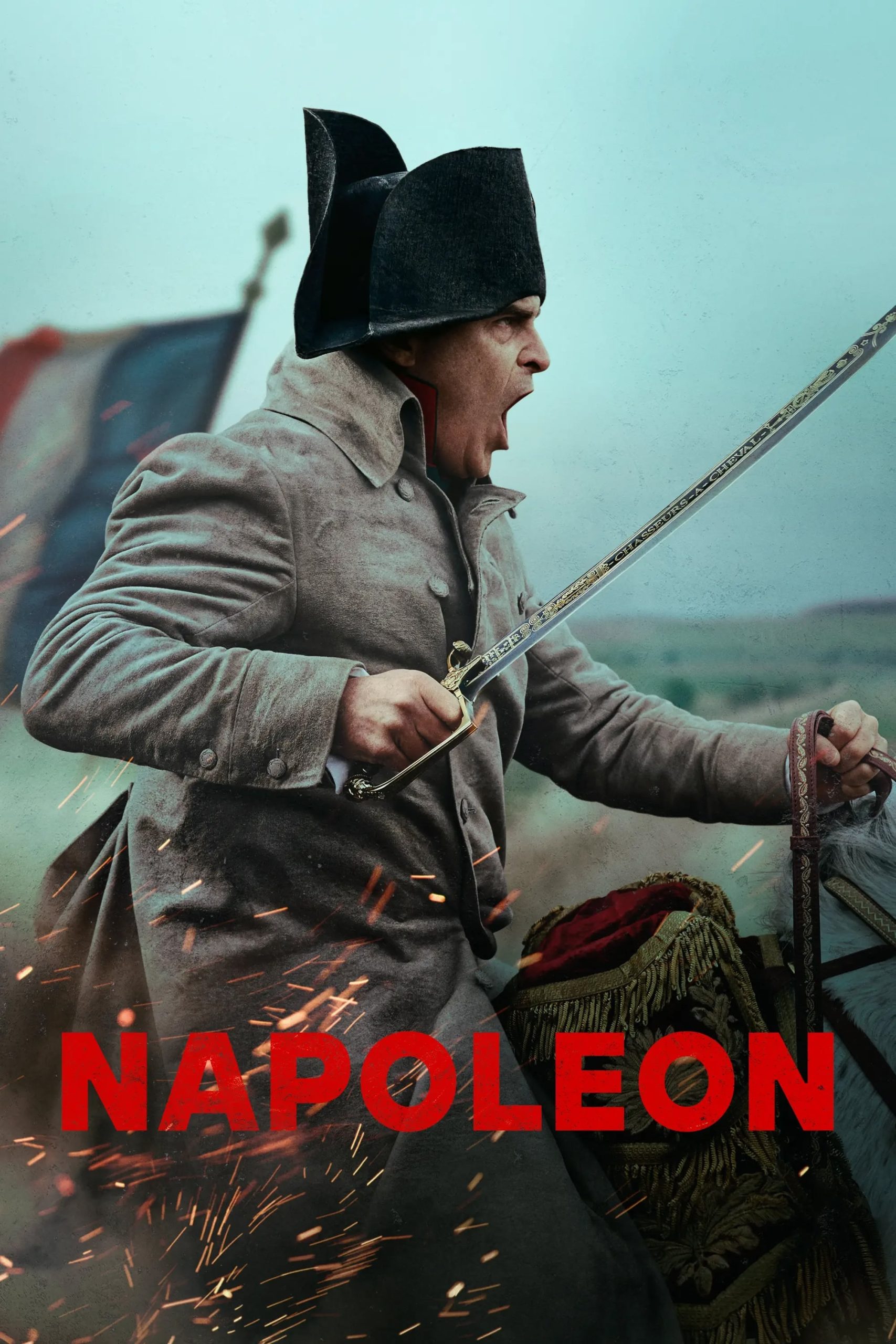
My fascination with Abel Gance’s Napoleon is rooted in the way it annihilates the boundaries of conventional filmmaking. When I first encountered this silent epic, it wasn’t in a classroom or a dusty cinema, but by accident—projected on three screens at a museum event, each flicker of light conjuring waves of empathy and awe. Watching, I felt history breathing: not facts or dates, but the thrumming, contradictory spirit of revolutionary France. The film’s relentless momentum and inventive scope struck me as a declaration—not just of Napoleon’s ambition, but of cinema’s potential. For me, “Napoleon” is as much about the limits we’re willing to break in art as the ambitions we harbor in life.
What the Film Is About
At its heart, Napoleon is the tempestuous journey of a singular will straining against the vectors of fate, society, and collective violence. Rather than a strict chronicle, the film unfurls as a fevered vision of both Napoleon the man and the myth he became. Gance’s approach is not to embed us in the particulars of policy or battlefield tactics; instead, he invites us to feel what it might be like to possess a mind that insists on reshaping the very order of the world. The emotional timbre oscillates between hope and terror, between the possibilities of personal greatness and the loneliness of individual destiny.
This is not really a story about historical accuracy; it’s a kind of sensory biography. Every frame seems electrified by the idea that the future is malleable, ready to be seized by someone with sufficient vision and nerve. The central conflict—the tension between the individual and the revolutionary crowd, between idealism and brutality—becomes a prism that refracts human ambition, hubris, and yearning. It’s less important for me whether the portrayal is fair to the real Bonaparte; what’s powerful is how the film expresses the emotional cost of ambition—a sense of continual exile and besiegement, even in victory.
Core Themes
The elusiveness and cost of power dominate the film’s psychological landscape. Napoleon is painted as both protagonist and outlier—embraced, feared, betrayed, and yearned for, he inhabits the role of both lightning rod and sacrifice. In revolutionary France, as in Gance’s fevered allusions, power is seductive yet corrosive. The 1927 release date is no accident; in post-World War I Europe, questions of leadership, national destiny, and the dangers of unchecked ambition hovered in the air. Gance’s Napoleon is a cipher for collective anxieties about stability, radicalism, and the cyclical nature of history’s strongmen.
Another enduring theme is identity as performance. Napoleon’s rise is not simply a matter of talent, but of projecting an image so compelling that others are swept along. Gance repeatedly draws attention to the ways in which history is staged, edited, manipulated—both by its participants and by filmmakers themselves. In that sense, the film is as much a meditation on authorship and mythmaking as it is a tribute to revolutionary fervor. For me, this theme is startlingly modern; our era’s obsession with charisma, spectacle, and self-creation finds a haunting antecedent here. The humiliation, triumph, and volatility that mark Napoleon’s journey feel less like distant legend than like urgent, perennially relevant questions.
Symbolism & Motifs
What strikes me most every viewing is Gance’s obsessive deployment of symbols—none more so than the eagle. The eagle is ever-present, a proxy for Napoleon’s vision and the clarity, danger, and arrogance that define his path. In one unforgettable moment, young Bonaparte releases his pet eagle into a storm, foreshadowing his reckless flight through Europe’s turbulence. The eagle’s restless soaring embodies the film’s own restless style—a syntax of rapid edits, superimpositions, and jarring angles that convey the storm inside and outside the protagonist.
Water, storms, and shifting weather also frequently recur. The sea becomes a vehicle for metaphor: it is in flux, changeable, ungovernable. Storms mark turning points, swirling around Napoleon as both disaster and engine of rebirth—the chaos that enables new possibility. In my view, these elemental images ensure that Napoleon’s journey doesn’t belong to him alone; instead, every spectator is swept up, reminded that the confluence of will and chance shapes all lives.
The tricolor of the Revolution—blazing reds, whites, and blues—punctuates the monochrome palette in Gance’s original tinting and in the set design. These colors don’t just situate the film geographically; they press upon our senses, suggesting both the promise and terror of collective identity. I find the use of recurring visual motifs—flags, crowds, mirrors—almost hypnotic. They refuse to let Napoleon’s story become simply personal: every moment is doubled by the presence of the watching, judging, clamoring multitude.
Key Scenes
Rebellion in the Snow
The early snowball fight at Brienne stands as more than childhood episode; it is Gance’s metaphor for the uncontainable nature of leadership and vision. As Napoleon marshals his schoolmates, turning play into battle, we recognize the inborn difference—a loneliness, an ability to turn chaos into order. This scene’s kinetic editing, shifting perspectives, and galloping rhythm foreshadow the energy of later military campaigns. For me, this childhood battle is the film in miniature: a blueprint for the ways small conflicts prefigure epochal wars.
Storm at the Convention
One of the most riveting sequences unfolds as the National Convention devolves into chaos—a literal and figurative storm rages outside and within. Gance intertwines the tempest’s fury with the revolution’s escalating violence, using superimpositions and rapid montage to envelop us in a collective delirium. Here, Napoleon’s isolation is underscored: surrounded yet alone, he watches as values and lives are torn apart in the name of progress. I find this scene essential for how it dramatizes the cost of conviction—how coldness of command is inseparable from personal alienation.
The Polyvision Finale
Perhaps the film’s most audacious moment is its culminating triptych: the screen expands into three simultaneous images, enveloping the viewer in a panorama of revolutionary fervor and military spectacle. The Polyvision process is not merely technical bravura; it’s a manifestation of Napoleon’s claim to omnipresence and Gance’s own desire to forge a new cinematic language. I always feel breathless here, not because of the military triumph, but because of the sense of overreaching—a warning as much as a celebration. The scene crystallizes the paradox of Napoleon: glory inseparable from overextension, vision from catastrophe.
Common Interpretations
Critics have long hailed Gance’s Napoleon as a technical watershed, an ambitious attempt to recast film as both historical document and emotional epic. Much of the commentary centers on the film’s stylistic innovations—Polyvision, rapid editing, multiple exposures, and color tinting. Some see Gance’s Napoleon as a romantic visionary, a figure of tragic grandeur whose flaws are overwhelmed by his sheer audacity. Others have highlighted the film’s democratic ambivalence, its tendency to mirror rather than critique the rise of authoritarian leaders.
While I share admiration for the film’s visual inventiveness, I differ from critics who see Napoleon as a tragic hero abandoned by history. For me, the film’s genius lies in ambiguity: Napoleon is never simply a victim or a villain, but a lightning-struck figure doomed to outpace even his own legend. Gance’s camera doesn’t just glorify power; it implicates us in a cycle of yearning, disappointment, and dangerous admiration. Where some read hagiography, I find a warning—a testament to the perils of investing too much in the myth of the singular leader.
Films with Similar Themes
- Lawrence of Arabia – Much like Napoleon, this film meditates on the lonely intoxication and ruinous consequences of visionary ambition in the context of historical events.
- Citizen Kane – Both works interrogate the construction of individual legacy and the toll of personal mythmaking on private life and public memory.
- Alexander Nevsky – Eisenstein’s epic compares as a paean to leadership and the mobilization of masses amid war; the interplay of spectacle and propaganda echoes Gance’s own thematic concerns.
- Barry Lyndon – Kubrick’s film also chronicles the seductive rise and inevitable fall of a man caught between history, ambition, and fate, using visual innovation to parallel psychological nuance.
Conclusion
Approaching Napoleon today, I believe audiences must meet it as both a work of its time and a ceaseless challenge to artistic boundaries. The film offers not just a spectacle of history, but an inquiry into the dangers and delights of vision unchecked by self-doubt or humility. For those willing to surrender to its labyrinthine rhythms and baroque visuals, there is abundant insight into both our political present and our perennial fascination with greatness. Understanding its themes unlocks not just the film, but the very questions cinema asks about power, ambition, and myth.
Related Reviews
If you found value in my perspective, you might also enjoy exploring my thoughts on other cinematic landmarks such as Lawrence of Arabia and Citizen Kane.
To broaden this interpretation, you may also explore how critics and audiences responded over time.
🎬 Check out today's best-selling movies on Amazon!
View Deals on Amazon